If you’re looking for bread to share with fussy eaters as part of a meal with a global twist, brown multigrain bread made with both wholemeal and white flour could be an option. Check the ingredients and texture of the specific loaf. If you prioritise a wholemeal base, look for bread labelled ‘wholemeal’; if you want warm bread with dips or soup, compare bake-at-home options by portion size and cooking instructions.
Which option is right for you?
Host serving fussy eaters
You want to serve bread alongside international appetisers that your guests will be happy to try. With brown multigrain bread, the ingredients list and information about the seeds and grains can help you choose what to put on the table.
Shopper looking for wholemeal and fibre
You want a clearly labelled wholemeal base and compare the fibre content per 100 g. According to the Netherlands Nutrition Centre, ‘multigrain’ does not automatically mean ‘wholemeal’.
Planner looking to serve warm bread
You want to bake the bread shortly before serving, perhaps to go with dips or soup. The bread’s shape, baking time and storage instructions will determine whether it fits your plans.
What should you look for when choosing?
First decide whether taste and texture, a wholemeal base or a dietary requirement will narrow down your options. Then choose a type of bread that suits the number of guests and the time you have to bake it.
| What to consider |
What to check when buying |
Who is this most important for? |
| Wholemeal and fibre |
Look for the term ‘wholemeal’ and compare fibre per 100 g. According to the Netherlands Nutrition Centre, ‘multigrain’ means at least three types of grain, not a fully wholemeal base. |
If I mainly want to serve wholemeal bread, I want to be able to tell from the bread’s name rather than its colour. Around 36% of consumers prioritise this wholemeal and fibre choice. |
| Taste and texture |
Check which types of wholemeal flour, white flour, grains and seeds the specific bread contains. If the texture is new to your guests, you could try a smaller loaf first. |
When serving fussy eaters, I want to choose bread whose flavour and texture will go well with the rest of the meal. For around 29% of consumers, this is their main concern. |
| Allergens and dietary requirements |
Check the current allergen information on the packaging, or ask about it before buying unpackaged bread. Don’t assume it’s suitable based on the name ‘multigrain’. |
If a guest needs to avoid an ingredient, I need to know which bread I can safely serve. This dietary requirement is the priority for around 21% of consumers. |
| Serving warm and portion sizes |
Compare whole loaves, rolls and bake-at-home bread by portion size. For bake-at-home bread, read the cooking and storage instructions. |
With dips or soup, I want to serve the bread when everyone is at the table without having too much left over. Around 14% of consumers prioritise serving warm bread and portion sizes. |
Common mistakes
-
Assuming ‘multigrain’ means ‘wholemeal’
According to the Netherlands Nutrition Centre, multigrain bread contains at least three types of grain, while ‘wholemeal’ on bread means it is made with 100% wholemeal flour. The two terms therefore answer different questions.
If you specifically want wholemeal bread, check the label. To compare fibre, check the nutritional information per 100 g.
-
Assuming all your guests can eat the same bread
Grains and seeds may be relevant for people with allergies or other dietary requirements; the name of the bread doesn’t tell you which allergens it contains.
Ask your guests about any dietary requirements in advance and check the current allergen information for the bread you plan to serve.
-
Buying a whole loaf without a plan for leftovers
If only some of the loaf is eaten, its shape will affect how much you need to store after the meal. The Netherlands Nutrition Centre advises against storing bread in the fridge, as it dries out.
Choose an amount that suits the number of people eating and follow the product’s storage and freezing instructions.
-
Relying on a product page you viewed earlier
Ingredients and allergen information may have changed since your last purchase or online search.
Check the current packaging just before buying, or ask for the available product information if the bread is unpackaged.
Brands to consider
Albert Heijn
Albert Heijn offers products including AH Liefde & Passie Meergranen and separate gluten-free multigrain products.
- The product information for AH Liefde & Passie lists ingredients, allergens and nutritional information that you can compare when narrowing down your options.
- Check the packaging again when you buy it, as product information can change.
Lidl
Lidl describes a multigrain bread containing ingredients including wheat, barley and buckwheat, and also provides ingredient information for oven-fresh bread.
- The grains listed can help you assess the mix.
- For the bread you buy, check the relevant ingredient and allergen information in store.
PLUS
PLUS offers products including multigrain bread and bake-at-home options to consider serving warm with a meal.
- PLUS Triangels multigrain has a listed baking time of 6–8 minutes; follow the packaging instructions for the product you buy.
- Check the shape and cooking method for each variety rather than assuming one baking instruction applies to all multigrain products.
Dirk
Dirk offers different types of bread in its multigrain range, including a half loaf of fresh multigrain bread.
- A half loaf is worth considering if you don’t want to plan for a whole one.
- Check the ingredients and nutritional information for each variety; the details for one loaf won’t apply to the whole range.
Joybuy products for your table
These multigrain loaves and rolls come in shapes you could consider for sharing at a meal. For the round loaves and baguettes, the bake-at-home instructions are especially relevant. For all varieties, check the current ingredients, allergen and nutritional information if these affect your choice.
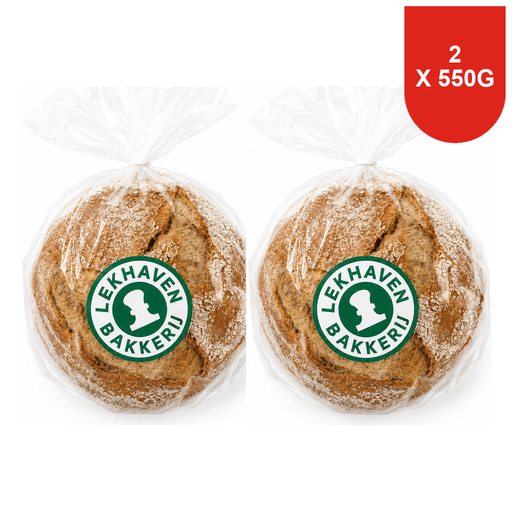 Image unavailable
Lekhaven Bakkerij Multigrain Country Bread Round, 2 × 550 g
A round loaf to slice and share at a meal; allow time to bake it if you want to serve it warm.
The product name lists two 550 g loaves. Check the cooking instructions and allergen information on the current packaging.
View at Joybuy
 Image unavailable
Lekhaven Bakkerij Multigrain Rustic Baguette, 4 × 135 g
Individual baguettes are a good option if you want to serve bread in portions for everyone to share.
The product name lists four 135 g baguettes. Check the current baking instructions, as the listed baking times vary.
View at Joybuy
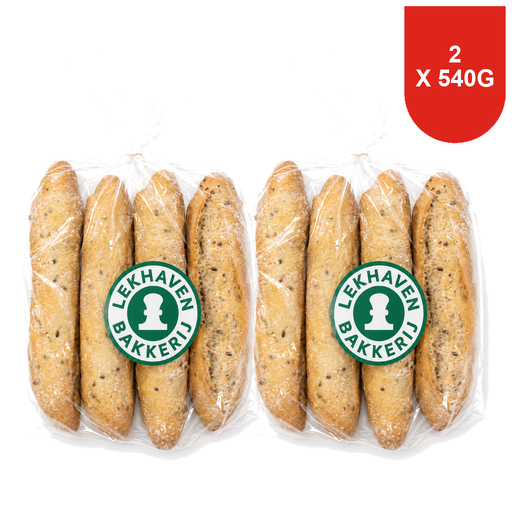 Image unavailable
Lekhaven Bakkerij Multigrain Rustic Baguette, 4 × 135 g × 2
You could consider this baguette variety if you want to bake bread to share with dinner.
Check the quantity on the packaging before planning portions, as the product name and description don’t make it clear.
View at Joybuy
 Image unavailable
Lekhaven Bakkerij Multigrain Country Bread Round, 550 g
A round loaf to slice and share at the table when you want to serve one loaf.
The product name lists 550 g. If you want to serve it warm, check the packaging, as the listed baking times vary.
View at Joybuy
 Image unavailable
g'woon Multigrain Rolls, 4 pieces
Four individual rolls are worth considering if you don’t want guests to have to slice a whole loaf.
Check the packaging for ingredients, allergens and any cooking instructions before serving.
View at Joybuy
Frequently asked questions
Is multigrain bread always wholemeal?
No. According to the Netherlands Nutrition Centre, multigrain bread contains at least three types of grain, while ‘wholemeal’ on bread means it’s made with 100% wholemeal flour. Check both terms separately if both the grain mix and wholemeal base matter to you.
How do I choose multigrain bread if a guest needs to avoid an allergen?
Check the allergen information for the specific bread rather than relying on the name ‘multigrain’. According to the Netherlands Food and Consumer Product Safety Authority, prepacked foods must show this information on the label; ask about it before buying unpackaged bread.
Does all multigrain bread contain iodised baker’s salt?
You can’t tell from the name of the bread. The Dutch Commodities Act Decree on the Addition of Micronutrients to Food Products defines baker’s salt as iodised table salt used in bread-making; check the ingredients of the bread you buy.
What should I do with bread left over after the meal?
Freeze any bread you won’t use soon, and follow the product’s storage instructions, especially for bake-at-home bread. The Netherlands Nutrition Centre advises against refrigerating bread because it dries out; throw away any mouldy bread.


