When choosing multigrain bread for a weekend breakfast, don’t rely on the name or colour alone. The Netherlands Nutrition Centre points out that multigrain bread can also be made with white flour. Look for an explicit wholemeal option if you want the whole grain to be the priority, or try a loaf made with both wholemeal flour and white flour if you’d first like to see what fussy eaters enjoy. If you want to serve warm bread, also compare the shape and preparation method. Check the ingredients, fibre, salt and allergens on the label of each product.
Which option is right for you?
Fussy breakfast eaters keen to try something new
Don’t want to put a fully wholemeal loaf on the table straight away? A loaf made with both wholemeal flour and white flour is one option to try. See what you think of the taste and texture at home, and check the label to find out how much wholemeal flour and fibre the product contains.
Label readers who prioritise wholemeal
If the whole grain is your main criterion, the name ‘multigrain’ doesn’t tell you enough. Check the product name and ingredients list, and compare fibre and salt per 100 g. The Netherlands Nutrition Centre recommends comparing products on the same basis.
Breakfast eaters who want to serve warm bread
For brunch, you can choose baguettes or crusty loaves to bake at home. Allow time for preparation and check the instructions for the specific product; the bake-at-home format alone doesn’t tell you whether it’s wholemeal.
What should you look for?
First, decide what matters most for this weekend breakfast: an explicitly wholemeal base, a loaf fussy eaters will be willing to try, or warm bread without too much left over. Then compare only the products that suit your choice.
| What to consider |
What to check when buying |
Who it matters to |
| Wholemeal base |
Look for ‘wholemeal’ in the product name, read the ingredients and compare fibre and salt per 100 g. |
If I mainly want bread made with the whole grain, I don’t want to rely on the name ‘multigrain’. For around 36% of consumers, a wholemeal base is the top priority. |
| Taste and texture |
Compare the wholemeal flour and white flour in the ingredients list; you could choose a half loaf to try. |
For fussy eaters, I want to find out whether they like the crust and texture first, without mistaking a blended recipe for fully wholemeal bread. This is the main consideration for around 36% of consumers. |
| Shape and quantity |
Choose a whole loaf, half loaf or bake-at-home product to suit the number of people; read the preparation and storage instructions. |
For brunch, I want to serve warm bread without buying more than we’ll eat. Shape and quantity are the top priorities for around 28% of consumers. |
Common mistakes
-
Assuming ‘multigrain’ means ‘wholemeal’
According to the Netherlands Nutrition Centre, multigrain bread can also be made with white flour. So the name alone doesn’t tell you whether the bread has a wholemeal base.
Check the product name and ingredients list, and compare fibre and salt per 100 g.
-
Assuming every loaf contains baker’s salt
The Netherlands Nutrition Centre says that baker’s salt isn’t compulsory. You can’t tell whether it’s present from the type of bread or the way it’s presented.
Check the label to see whether baker’s salt or iodised salt is listed in the ingredients.
-
Buying a whole loaf for one breakfast trial
If you don’t like the crust or texture, you could end up with a large loaf left uneaten.
Choose a half loaf if available, or freeze a whole loaf in portions as soon as you buy it, as recommended by the Netherlands Nutrition Centre.
-
Confusing multigrain with gluten-free
‘Multigrain’ doesn’t mean gluten-free. Bread containing wheat, rye or barley, for example, may contain gluten.
Check the ingredients and allergen information. If you need a gluten-free option, only choose a product that is explicitly labelled as such.
Brands to compare
Always compare the specific loaf from each brand: recipes and formats can vary within the same range.
Albert Heijn
AH Vloerbrood multigrain whole loaf is an example to consider if you’re looking for a blend of flours.
- Albert Heijn states that this loaf contains 31% wholemeal wheat flour and 30% wheat flour.
- Don’t treat this recipe as fully wholemeal bread; check the packaging when you buy it.
Jumbo
Jumbo offers options including Boeren Donker Volkoren Meergranen and Stevig Meergranen, in different loaf sizes.
- Choose a whole or half loaf to suit how much you expect to eat.
- Compare the ingredients and nutritional information for the loaf you actually choose.
Lidl
Lidl describes a multigrain loaf containing wheat, barley and buckwheat, among other ingredients.
- The grains listed give you a starting point for comparing this loaf with other multigrain products.
- Check the packaging for wholemeal status, nutritional information and allergens.
ALDI
ALDI sells Boeren volkoren meergranen in both whole and half sizes.
- The explicit wholemeal name and two size options are useful if you also want to match the quantity of bread to breakfast.
- Check the ingredients, nutritional information and allergens for your chosen option on the label.
PLUS
PLUS sells both multigrain bread to bake at home and other multigrain loaves for brunch.
- PLUS states that its wholemeal multigrain baguettes contain 56% wholemeal wheat flour and iodised salt.
- Another PLUS multigrain baguette has a different recipe; check the preparation instructions for each product too.
Dirk
Dirk offers options including Bakker van der Akker Bakkers multigrain half loaf and other multigrain breads.
- The half size could be a good fit if you want to try a new loaf first.
- Read the label before drawing conclusions about wholemeal flour, iodine or allergens.
Multigrain bread and rolls at Joybuy
This selection includes baguettes and round loaves for a weekend breakfast, as well as a pack of four rolls. First choose the shape and quantity you’d like; if you want a wholemeal option, check the ingredients and nutritional information for each individual product.
 No image available
Lekhaven Bakkerij Multigrain Rustic Baguette, 4 × 135 g
A baguette-style option if you’d like to serve warm bread at the weekend breakfast table. Allow time to defrost and bake, and follow the instructions on the packaging.
If you want a wholemeal option, compare the ingredients and check fibre and salt per 100 g. If you have allergies, also read the information about wheat and sesame.
View at Joybuy
 No image available
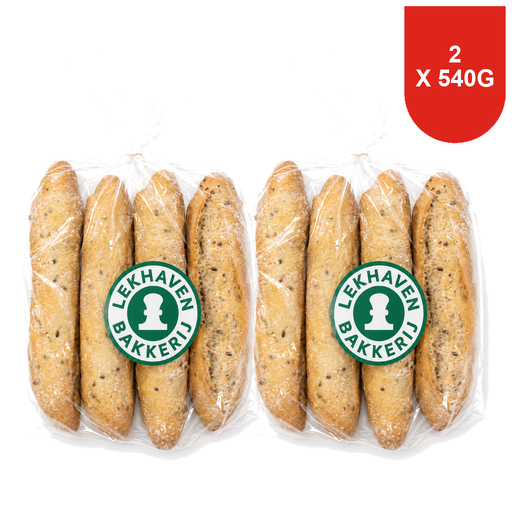
Lekhaven Bakkerij Multigrain Rustic Baguette, 4 × 135 g × 2
A baguette option to bake at home for a bigger weekend breakfast. Check the number of baguettes and the total quantity on the packaging before planning how much you’ll need.
Read the preparation instructions and compare ingredients, fibre and salt per 100 g. If you have allergies, check the information about wheat and sesame.
View at Joybuy
 No image available
Lekhaven Bakkerij Multigrain Country Bread Round, 550 g
A 550 g round loaf to share at the weekend breakfast table. Allow time if you want to bake it warm, and follow the instructions on the packaging.
Check the ingredients to find out whether it has a wholemeal base, and compare fibre and salt per 100 g. If you have allergies, also read the information about wheat and sesame.
View at Joybuy
 No image available
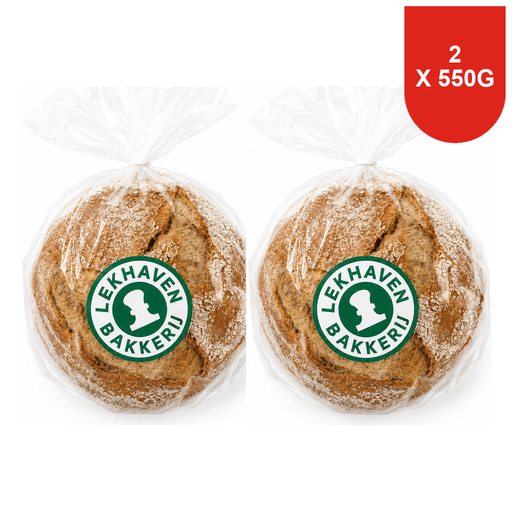
Lekhaven Bakkerij Multigrain Country Bread Round, 2 × 550 g
Two round loaves for a breakfast with more people, or to enjoy on different occasions. If you won’t use both loaves straight away, plan how you’ll store them.
Follow the preparation instructions and check the ingredients, fibre and salt per 100 g. If you have allergies, also read the information about wheat and sesame.
View at Joybuy
 No image available
g'woon Multigrain Rolls, 4 rolls
Four multigrain rolls make a smaller quantity to try at the weekend breakfast table. The ingredients list states that they contain 53% wheat flour; check the packaging if a wholemeal base is important to you.
To find out whether iodised salt has been used, read the ingredients list. Compare fibre and salt per 100 g, and check the allergen information.
View at Joybuy
Frequently asked questions
Is multigrain bread always wholemeal?
No. The Netherlands Nutrition Centre says that multigrain bread can also be made with white flour. If you want a wholemeal option, look for the explicit ‘wholemeal’ label and check the ingredients list.
Does dark multigrain bread always contain more fibre?
No, the colour alone doesn’t tell you how much fibre a loaf contains. Compare the nutritional information per 100 g and check which types of flour are listed in the ingredients.
Does multigrain bread always contain iodine?
No. According to the Netherlands Nutrition Centre, using baker’s salt in bread isn’t compulsory. Check the ingredients list for each product to see whether it contains baker’s salt or iodised salt.
Is multigrain bread automatically gluten-free?
No. Multigrain bread can contain grains that contain gluten. If you need a gluten-free option, look for an explicit gluten-free label and read the ingredients and allergen information for the specific product.
What should I do with bread left over after the weekend breakfast?
It’s best to freeze any bread you won’t use soon in portions as soon as you buy it; this is the storage advice from the Netherlands Nutrition Centre. A half loaf may be more practical if you already know you’ll only need a few slices.


