When choosing bread for one, don’t let the word ‘multigrain’ make the decision for you. According to the Netherlands Nutrition Centre, it tells you how many types of grain the bread contains, not whether it’s wholemeal. If wholemeal is your priority, look for bread explicitly labelled as wholemeal. Brown bread made with both wholemeal flour and white flour may be an option if you prefer a different blend and flavour. Choose a size that suits how much you’ll eat, or freeze the bread in portions after buying it.
Who might find each option useful?
If you’re looking for wholemeal bread for one
If you want bread that is clearly wholemeal, check the product name and compare the nutritional information per 100 g for specific breads. The name ‘multigrain’ alone doesn’t guarantee this, according to the Netherlands Nutrition Centre.
If you’re looking for a different flavour and texture
Brown multigrain bread made with both wholemeal flour and white flour may be worth trying if you’re less keen on the distinctive taste of wholemeal bread. Check the ingredients: this blend doesn’t mean the bread is entirely wholemeal.
If you buy bread for occasional meals
If you only use a few slices or rolls at a time, a half loaf, individual rolls or frozen portions may suit your needs better. The Netherlands Nutrition Centre recommends freezing bread in portions after buying it, and defrosting only what you need.
What should you look for when choosing?
First decide whether wholemeal or flavour matters most to you. Then consider how much bread you use at each meal, and always check the latest allergen information if you need to avoid certain ingredients.
| What to consider |
What to check before buying |
Who it matters to |
| Wholemeal and fibre |
Look for the word ‘wholemeal’ and compare the fibre content of specific breads on the same basis, per 100 g. |
I want my bread-based meal to include bread that is clearly wholemeal, not just bread made with several grains. For around 33% of consumers, choosing wholemeal comes first. |
| Flavour and ingredients |
Read the product name and ingredients; brown multigrain bread may contain both wholemeal flour and white flour. |
If I’m less keen on the flavour or texture of wholemeal bread, I want to choose a different blend. For around 27% of consumers, flavour takes priority. |
| Size and storage |
Choose a whole loaf, half loaf or individual rolls to suit how much you eat, and check whether you can freeze portions straight away. |
I eat bread with occasional meals and don’t want to be left with a whole loaf. Portion size is the first consideration for around 27% of consumers. |
| Ingredients and allergens |
Check the current packaging to see which grains and other allergens the product contains or may contain. |
If I need to avoid certain ingredients, I need to know what’s in the bread before choosing it. This check matters most to around 13% of consumers. |
Common mistakes
-
Assuming ‘multigrain’ means ‘wholemeal’
According to the Netherlands Nutrition Centre, multigrain means that bread is made from at least three different types of grain. It doesn’t follow that the bread is entirely wholemeal.
If wholemeal is your main criterion, look for the word ‘wholemeal’ and compare specific products using their ingredients lists and fibre content per 100 g.
-
Buying a whole loaf without a plan for the rest
If you’re buying bread for one, you may have some left over before you get around to eating it.
Choose a size that suits how much you eat, or follow the Netherlands Nutrition Centre’s advice to freeze bread in meal-sized portions after buying it.
-
Judging by the seeds and kernels without reading the label
Product information from Albert Heijn, Jumbo and PLUS lists different grains and other ingredients in the multigrain breads discussed here. Some products also contain sesame, soya or milk.
Check the latest ingredients and allergen information for the specific bread every time you buy it, including any ‘may contain’ warnings.
Brands to consider
These product examples show how ingredients and sizes can vary. Always assess the bread itself rather than choosing by brand alone.
Albert Heijn
AH Vloerbrood meergranen heel is an example of a bread made with both wholemeal wheat flour and white wheat flour.
- Albert Heijn lists 31% wholemeal wheat flour, 30% white wheat flour and 5.2 g of fibre per 100 g for this product.
- It’s a whole loaf, so check that the size and ingredients suit your needs.
Jumbo
Jumbo describes Stevig Meergranen as a wholemeal multigrain loaf with kernels and seeds.
- Jumbo lists 8.6 g of fibre per 100 g for this bread.
- The product information lists ingredients including wheat, barley, sesame and soya. Check the latest packaging if you need to avoid certain ingredients.
PLUS
PLUS Korenlanders Volkoren meergranenbollen come in a pack of four, making them an alternative to consider alongside a whole loaf.
- PLUS lists 7.8 g of fibre per 100 g and says the rolls can be frozen on the day of purchase and used within one month.
- The product information lists ingredients including wheat, rye, barley, oats, soya, milk and sesame.
Lidl
Lidl lists a 400 g half loaf of dark multigrain bread, which is smaller than a whole loaf.
- Lidl lists wheat, barley and buckwheat in the grain mix.
- Check the current label to assess whether the bread is wholemeal and to check its allergens.
ALDI
ALDI describes Boeren volkoren meergranen as bread made with grains and seeds.
- The product name explicitly includes ‘wholemeal multigrain’.
- Compare the nutritional information and check the ingredients and allergens on the current product label.
Dirk
Dirk describes Bakker van der Akker’s Vloerbrood meergranen heel as a substantial loaf made with grains and seeds.
- The product description makes clear that it’s a whole multigrain artisan loaf.
- Check the label to see whether the ingredients, wholemeal content and allergens suit your needs.
Multigrain products on Joybuy
These breads and rolls come in different quantities to suit meals for one. Check the product name and label to see whether a bread also matches your preference for wholemeal or for a blend of wholemeal flour and white flour.
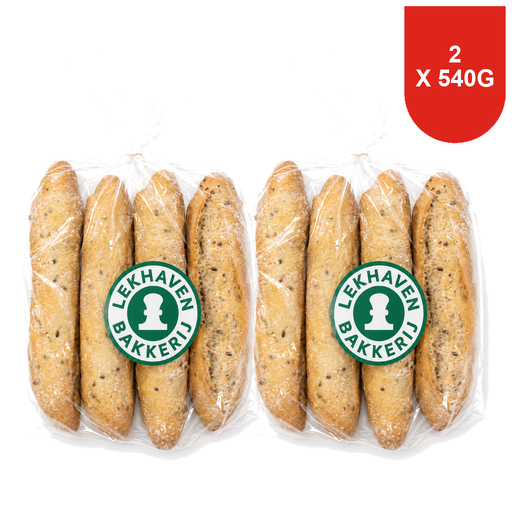 Image unavailable
Lekhaven Bakkerij Multigrain Rustic Baguette 4 × 135 g × 2
At 135 g each, these baguettes are an option if you want to use one at a time for a meal. Allow time to defrost and bake them. Check the packaging if the proportion of wholemeal flour to white flour, or allergens, is important to your choice.
View on Joybuy
 Image unavailable
Lekhaven Bakkerij Multigrain Country Bread Round 550 g
This 550 g whole loaf is suited to anyone who wants to bake a loaf and will use the full amount. Allow time to defrost and bake it. Check the label if you’re looking specifically for wholemeal bread or a particular flour blend.
View on Joybuy
 Image unavailable
g'woon Multigrain Rolls 4 rolls
Four individual multigrain rolls can be handy when you use one or a few at each meal. Check the label for the flour blend and allergens, and see the packaging for advice on storing any rolls you don’t use.
View on Joybuy
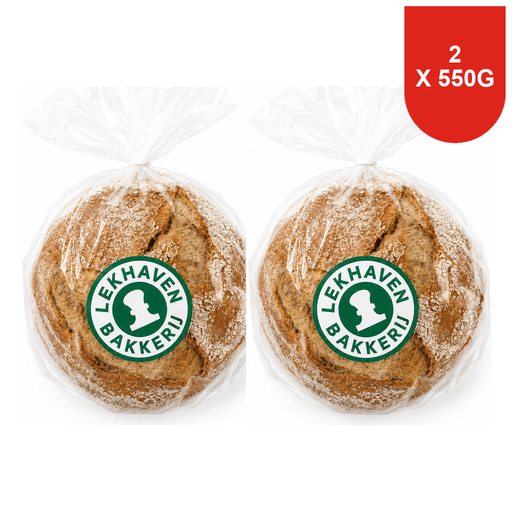 Image unavailable
Lekhaven Bakkerij Multigrain Country Bread Round 550 g × 2
This option contains two whole 550 g loaves. If you’re buying for one, you’ll need a plan for using both loaves. Remember to allow time to defrost and bake them, too. Check the label if wholemeal content, the flour blend or allergens are important to you.
View on Joybuy
Frequently asked questions
Is multigrain bread automatically wholemeal?
No. According to the Netherlands Nutrition Centre, ‘multigrain’ means that bread is made from at least three different types of grain; it doesn’t, by itself, mean those grains are wholemeal. If you want to buy wholemeal bread, look for the explicit ‘wholemeal’ label.
How should I store bread if I live alone?
Freeze bread in portions after buying it, and take out what you need for each meal. This is the Netherlands Nutrition Centre’s advice for storing bread. Also follow any storage instructions on the packaging of the product you buy.
Can I rely on the name ‘multigrain’ if I have coeliac disease?
No. The product information for the Albert Heijn, Jumbo and PLUS breads discussed here lists grains that contain gluten. Check the current ingredients and allergen information for each specific product; ‘multigrain’ doesn’t mean that a bread is gluten-free.
Does every multigrain bread in the Netherlands contain iodised salt?
That doesn’t follow from the Dutch rule on bakers’ salt. The Netherlands Food and Consumer Product Safety Authority explains that iodine compounds may be present in bread only when bakers’ salt has been added. Check the ingredients list of the specific bread to see which type of salt is used.


