What should you look for when choosing?
Start with the allergen that would rule out a purchase for you. Only then compare the features of loaves that meet your avoidance requirements.
| What to consider | What to check when buying | Most relevant for |
|---|
| Gluten and wheat |
Check for a gluten-free label, the grains listed and any warnings about possible cross-contamination. If you have a wheat allergy, check the wheat information separately too. |
If I need to avoid gluten or wheat, I don’t want to rely on the name of the bread. Around 50% of consumers put this check first. |
| Other allergens |
Compare the current ingredients and allergen information with your avoidance requirements. If you’re buying unpackaged bread, ask for the information before you buy. |
If I’m allergic to something like sesame or soya, I need to know what’s in this particular loaf. For around 30% of consumers, another allergen is their main concern. |
| Flavour, fibre and iodine |
Once you’ve checked the allergens, compare the ingredients and fibre per 100 g. Check whether iodised baker’s salt has been used. |
When a loaf meets my avoidance requirements, I want to choose based on flavour and nutritional information. Around 20% of consumers put this consideration first. |
Brands to check product by product
A retailer’s name doesn’t tell you which allergens a particular loaf contains. Always check the information for the exact product.
Albert Heijn
Online product information can help you check the details of a specific multigrain loaf before buying.
- AH Boeren donker meergranen lists sunflower and pumpkin seeds, among other ingredients.
- Albert Heijn warns that ingredient and allergy information may change, so check the current packaging.
Jumbo
Jumbo Stevig Meergranen’s product information gives you a useful starting point for checking allergens.
- For this loaf, Jumbo lists wheat, barley, sesame and soya.
- The same product information also says it may contain egg, milk and nuts. Check what these warnings mean for your allergy.
PLUS
PLUS lists both standard multigrain loaves and Schär Glutenvrije Meesterbakker Mehrkorn in its product information.
- PLUS specifically labels the Schär variety as gluten-free.
- PLUS Korenlanders Donker meergranen lists wheat, barley, oats and sesame, among other ingredients. Check each loaf individually.
Dirk
Search results for multigrain bread include both standard products and gluten-free Schär products.
- You can search for different types of product.
- A search result doesn’t give you full allergen information for every loaf. Open the product information or check the packaging.
Lidl
Lidl lists an organic multigrain sourdough loaf, among other products, and directs shoppers to ingredient and allergen information for its in-store bakery bread.
- For its fresh bakery range, check the ingredient and allergen information.
- ‘Organic’ and ‘sourdough’ don’t mean allergen-free. Check the information for the loaf you’re considering.
ALDI
ALDI lists products including luxe vloerbrood meergranen and boeren volkoren meergranen.
- The product descriptions highlight grains and seeds as features of these loaves.
- Before choosing a loaf to suit your allergy, check the current ingredients and allergen information on the label or through the retailer’s product information.
Multigrain bread on Joybuy
These round multigrain loaves are designed to be baked at home. If you need to avoid wheat, gluten or sesame, these products aren’t suitable for you. For other allergens, check the current packaging and any warnings before deciding.
 No image available
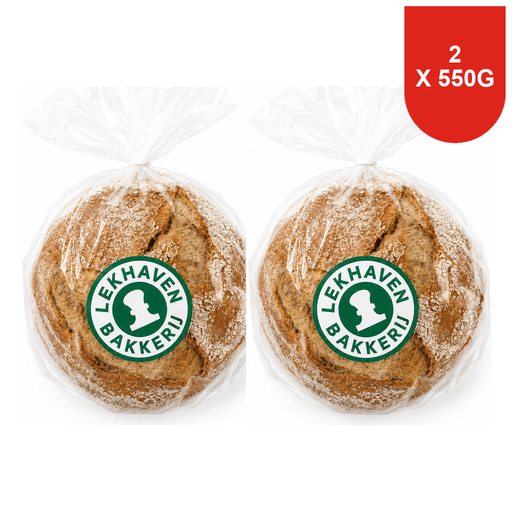
Lekhaven Bakkerij Multigrain Country Bread Round, 2 × 550 g
For anyone who wants to bake multigrain bread at home and doesn’t need to avoid wheat, gluten or sesame.
The product name specifies two loaves weighing 550 g each. Before buying, check the current allergen information and any warnings about possible cross-contamination. Follow the baking instructions on the packaging.
View on Joybuy
 No image available
Lekhaven Bakkerij Multigrain Country Bread Round, 550 g
For anyone who wants to bake one round multigrain loaf at home and doesn’t need to avoid wheat, gluten or sesame.
The product name specifies 550 g. Before buying, check the current allergen information and any warnings about possible cross-contamination. Follow the baking instructions on the packaging.
View on Joybuy
Frequently asked questions
Is standard multigrain bread gluten-free?
No. ‘Multigrain’ doesn’t mean gluten-free. According to the Netherlands Nutrition Centre, wheat, spelt, rye and barley are among the grains that contain gluten. If you need to avoid gluten, look for a specific gluten-free label and check the ingredients too.
How do I check allergens in unpackaged bread?
Ask for the allergen information for the specific loaf before you buy. The Netherlands Food and Consumer Product Safety Authority says that consumers must also be given allergen information for unpackaged products. If relevant to you, ask about possible cross-contamination too.
What does ‘may contain’ mean on a bread label?
It’s a warning about possible cross-contamination, not confirmation that the named allergen is absent. The Netherlands Food and Consumer Product Safety Authority says that new rules came into force in the Netherlands on 1 January 2026, covering when and how these warnings are used. Consider any warning in light of the advice you’ve been given about what to avoid.
Does Dutch multigrain bread always contain iodine?
No. According to the Netherlands Nutrition Centre, baker’s salt contains iodine, but bread doesn’t have to be made with baker’s salt. Check the label or ask the baker which salt was used for the loaf you’ve chosen.
Is gluten-free multigrain bread suitable for every food allergy?
No. A gluten-free label doesn’t tell you anything about all the other allergens. Check for ingredients such as sesame or soya and any warnings about possible cross-contamination. If you have a wheat allergy, check the wheat information specifically.


