
If you’re setting a table to share
You’re looking for a whole or rustic loaf to slice and share as part of your Flag Day meal. How you serve it is a key consideration for you.


Choose a whole or rustic multigrain loaf if you want to share the bread and make it the centrepiece of your Flag Day table; rolls are more practical if you want to serve individual portions. Whatever the serving style, check whether it’s wholegrain, compare the nutritional values per 100 g and read the allergen information. According to the Netherlands Nutrition Centre, multigrain means that bread contains at least three types of grain; it doesn’t automatically mean that it’s wholegrain.
You’re looking for a whole or rustic loaf to slice and share as part of your Flag Day meal. How you serve it is a key consideration for you.
You want to know whether a multigrain loaf is also wholegrain, and compare the fibre and salt per 100 g. The name or dark colour alone isn’t enough to go on.
You’re matching the amount of bread to the number of people and checking when you can buy and store it. If someone at the table has an allergy, you’ll need information about the specific variety before you buy.
First decide how you want to serve the bread, then compare the product description, nutritional information and preparation needed for each variety.
| What to consider | What to check before buying | Who should consider this? |
|---|---|---|
| Serving style | Check whether it’s a whole loaf, half loaf or individual rolls, and whether the bread is pre-sliced. | If I want to put bread in the middle of the table and share it out, I look for a shape that suits the occasion. Presentation is the most important factor for around 45% of consumers. |
| Wholegrain and nutritional value | Look for the word wholegrain in the product description and compare the fibre and salt per 100 g of the varieties you’re considering. | I don’t want to assume what the bread is made from based on the word multigrain. Around 33% of consumers prioritise wholegrain status or nutritional information. |
| Quantity and planning | Choose a pack size to suit your group and check availability and storage advice for the day you plan to buy it. | I want enough bread for my group without buying more than I can use. The right quantity and planning are the main priority for around 22% of consumers. |
Bread can contain several types of grain and still be made mostly from refined flour. According to the Netherlands Nutrition Centre, the word multigrain on its own doesn’t mean that the bread is wholegrain.
Check the product description for the word wholegrain, then read the nutritional information for the specific variety.
These descriptions can help you choose a style of bread, but they don’t tell you how much fibre or salt it contains.
Choose the serving style you want, then check the ingredients, nutritional information and allergen information too.
Allergen information matters for unpackaged bread too. According to the Netherlands Food and Consumer Product Safety Authority, consumers must be given this information for unpackaged foods in a different way.
For packaged bread, read the label. For unpackaged bread, ask for the allergen information for the variety you’ve chosen before buying.
Albert Heijn offers options for serving a whole loaf at the table, including AH Farmer’s Dark Multigrain Whole Loaf and AH Multigrain Oven-Baked Whole Loaf.
Jumbo offers multigrain bread in several varieties, including a whole loaf, a wholegrain half loaf and a Lo-Sel variety.
Lidl describes its Organic Rustic Multigrain Sourdough Bread as organic brown sourdough bread with seeds and kernels, weighing 600 g.
ALDI offers Farmer’s Wholegrain Multigrain Bread as a pre-sliced half loaf.
PLUS offers Korenlanders Dark Multigrain Round Whole Loaf, a wholegrain multigrain loaf for anyone who wants to serve round bread.
Dirk offers Bakker van der Akker Bakers’ Multigrain Half Loaf if a half loaf is a better fit for your group.
These products include round loaves and baguettes to share, as well as rolls for individual portions. If you’re choosing frozen loaves or baguettes, check the preparation instructions before planning your meal.
 Image unavailable
The round shape is ideal if you want to slice and share the loaf at the table.
This loaf is delivered frozen and needs to be defrosted and baked off, so allow time and make sure you have an oven. Check the packaging if wholegrain status or allergens are important to your choice.
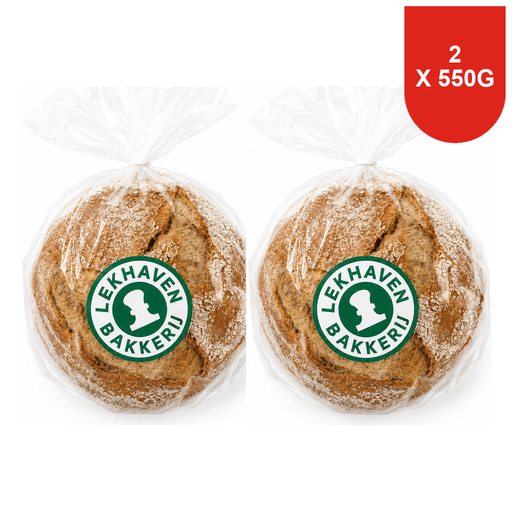 Image unavailable
Two round loaves give you separate loaves to serve at the table when you’re catering for a larger group.
The pack contains 2 × 550 g. The loaves are delivered frozen and need to be defrosted and baked off; check the wholegrain status and allergen information for this variety too.
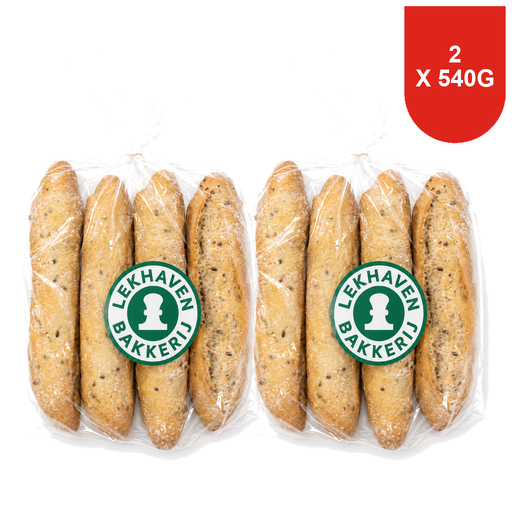 Image unavailable
Baguettes are a good choice if you want to serve the bread in pieces as part of a shared meal.
The product name states 4 × 135 g × 2. These frozen baguettes need to be defrosted and baked off; check the packaging for wholegrain status and allergen information.
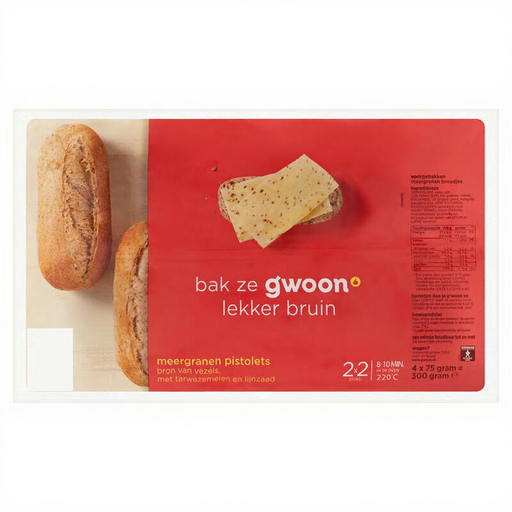 Image unavailable
These four individual rolls are ideal if you want to serve separate portions instead of slicing a whole loaf.
Check the label for the wholegrain status, nutritional information and allergens of these rolls.
No. According to the Netherlands Nutrition Centre, multigrain bread contains at least three types of grain, but may still be made mostly from refined flour. If wholegrain is essential to your choice, look for the word wholegrain in the product description.
Ask for the allergen information for the specific bread before you buy it. The Netherlands Food and Consumer Product Safety Authority states that consumers must be given this information for unpackaged foods in a different way from the label used on packaged food.
Yes, as long as you can follow the storage advice for the variety you choose. PLUS says that Korenlanders Dark Multigrain Round Whole Loaf can be frozen at home on the day of purchase and should be used within one month; don’t assume the same advice applies to other breads.
No, don’t assume that every loaf contains the same amount. The Netherlands Nutrition Centre identifies bread as a source of iodine, but the ingredients can vary between varieties. If the type of salt used matters to you, check the ingredients information for the bread you choose.