
Easter brunch planner
You’re buying bread for several people, but don’t want to be left with lots of leftovers. Think about how much everyone is likely to eat at brunch and whether a whole loaf, half a loaf or individual portions would work best.


For your Easter brunch, choose an amount of multigrain bread that suits the number of people eating and what you plan to do with any leftovers. Look specifically for ‘wholemeal’ if that matters to you: according to the Netherlands Nutrition Centre, ‘multigrain’ on its own does not mean that a loaf is wholemeal. If anyone has dietary requirements, also check the ingredients and allergen information on the current packaging.
You’re buying bread for several people, but don’t want to be left with lots of leftovers. Think about how much everyone is likely to eat at brunch and whether a whole loaf, half a loaf or individual portions would work best.
You want to know whether the bread really is wholemeal and how much fibre it contains per 100 g. According to the Netherlands Nutrition Centre, the term ‘multigrain’ alone does not tell you whether a loaf is wholemeal.
You’re buying bread for someone with a food allergy or a specific dietary requirement. Read the current ingredients and allergen information rather than relying on the bread’s name or colour.
First, work out how much bread you’ll actually need over Easter. Then check whether it’s labelled wholemeal, the bread’s format and, if relevant to anyone eating, the allergens listed on the packaging.
| What to consider | What to check when buying | Who is this important for? |
|---|---|---|
| Quantity and leftovers | Check the loaf’s weight and choose a whole loaf, half a loaf or individual portions to suit the number of people eating. | If I don’t expect a whole loaf to be eaten at brunch, I want to know in advance what I’ll do with the rest. For roughly 36% of consumers, reducing leftovers is the top priority. |
| Wholemeal and fibre | Look for the ‘wholemeal’ label and compare the stated amount of fibre per 100 g. | I want to choose wholemeal bread rather than rely on the name or dark colour alone. For around 29% of consumers, choosing wholemeal matters most. |
| Bread format and preparation | Check whether the bread is sliced, whole, half-size or part-baked; read the preparation instructions if needed. | If I have a serving time planned, I want to know whether the bread can go straight on the table or needs preparing first. For around 21% of consumers, serving convenience is the deciding factor. |
| Allergens and dietary requirements | Read the current ingredients, allergen information and any ‘may contain’ warning on the packaging. | When I’m buying bread for someone with an allergy, the packaging needs to meet their requirements. For an estimated 14% of consumers, checking this is the top priority. |
According to the Netherlands Nutrition Centre, ‘multigrain’ means that different types of grain are used. It doesn’t mean that the bread is made exclusively with wholemeal flour.
Look for ‘wholemeal’ on the packaging if that’s what you want to buy. You can then compare the fibre per 100 g in the loaves you’re considering.
A large loaf won’t necessarily suit a small Easter gathering. According to the Netherlands Nutrition Centre, bread is one of the foods that is often wasted.
Choose an amount to suit the number of people eating, and check the storage instructions in case there’s bread left after brunch.
The name ‘multigrain bread’ doesn’t tell you which salt has been used in a particular loaf.
If the use of iodine-enriched baker’s salt matters to you, check the ingredients list for the bread itself.
These brands offer different bread formats and product ranges. Always compare the specific bread and its current packaging, rather than the brand name alone.
The online range includes multigrain bread in different formats, including sliced bread.
The online category includes own-brand bread and wholemeal multigrain varieties.
The in-store fresh-from-the-oven range includes different types of bread.
The in-store range includes, among other options, a half loaf of farmhouse wholemeal multigrain bread.
The online range includes multigrain bread, clearly labelled wholemeal multigrain bread and part-baked options.
The in-store range includes a half loaf of multigrain bread and other bread varieties.
These Joybuy products include multigrain baguettes, rolls and round loaves for different numbers of people or eating occasions. Choose a format to suit your serving plans, and check the packaging if wholemeal status or allergens are important to you.
 Image unavailable
Four individual baguettes are a good fit for a brunch where you want to serve the bread in portions.
Check the preparation instructions on the packaging before getting started. Also read the label if wholemeal status or allergens are relevant to your choice.
 Image unavailable
This round loaf is a good option when one loaf suits the number of people you’re planning to serve.
Check the preparation and storage instructions when planning how to serve it. Also check the packaging for wholemeal labelling and allergens if relevant.
 Image unavailable
Four individual multigrain rolls make it easy to plan how many you’ll need for brunch.
Check the label if you want to review the nutritional information per 100 g, wholemeal status or allergens.
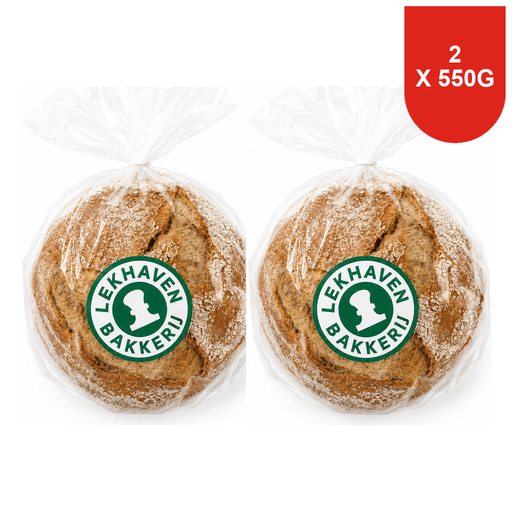 Image unavailable
The pack of two round loaves suits larger gatherings or several eating occasions, provided you have a plan for using both loaves.
Read the storage and preparation instructions, and check the current wholemeal and allergen information on the packaging.
No. According to the Netherlands Nutrition Centre, ‘multigrain’ means that different types of grain have been used; it doesn’t mean that the bread is wholemeal. If you want to choose wholemeal bread, look for the ‘wholemeal’ label on the packaging.
Choose a bread format to suit the number of people eating and what you plan to do with any leftovers. Half a loaf or individual rolls may suit a smaller gathering better. If you’re planning to store any bread, read the instructions on the packaging.
Read the current allergen and ingredient information for the specific bread. Check which gluten-containing grains are listed and whether ingredients such as sesame, soya, milk or nuts are relevant to the person eating it. Don’t assume it’s suitable based on the name ‘multigrain’.
Don’t assume this based on the type of bread. Check the ingredients list for the specific product if the use of iodine-enriched baker’s salt matters to your choice.
Follow the instructions for the specific bread. For example, PLUS says that Korenlanders Donker multigrain round loaf can be frozen at home on the day of purchase and should be used within one month. This instruction doesn’t automatically apply to other breads.