
Hosting an Easter brunch
You’re looking for bread that also makes a visual contribution to the table. A rustic shape, sourdough or seeds are features worth comparing, but none of them tells you on its own whether the bread is wholemeal.


For your Easter brunch, choose a loaf explicitly labelled wholemeal if that’s your main priority; opt for a rustic sourdough for a different look, or bake-at-home bread if you want to serve it warm just before the meal. According to the Netherlands Nutrition Centre, ‘multigrain’ on its own simply means that at least three types of grain have been used. Whichever option you choose, check the ingredients, allergens and storage or preparation instructions.
You’re looking for bread that also makes a visual contribution to the table. A rustic shape, sourdough or seeds are features worth comparing, but none of them tells you on its own whether the bread is wholemeal.
You want to look beyond the word ‘multigrain’. Check that it is labelled wholemeal and, if both packs provide the information, compare the fibre content per 100 g.
You need clear information about the grains and other allergens in your chosen bread before buying it. According to the Netherlands Food and Consumer Product Safety Authority, allergen information for unpackaged bread must also be available before purchase.
First decide what matters most for your Easter brunch: a wholemeal label, presentation, when you’ll serve it or checking the ingredients. A rustic shape or topping can fit in with those other preferences, but it doesn’t replace checking each one separately.
| What to consider | What to check when buying | Who is this most important for? |
|---|---|---|
| Wholemeal and fibre | Look for an explicit wholemeal label. Only compare fibre figures on a like-for-like basis, such as per 100 g. | If I want my Easter brunch bread to be wholemeal, I don’t want to rely on the word ‘multigrain’ alone. Around 36% of consumers put this first. |
| Presentation and texture | Check the shape of the loaf and any information about how it is made, sourdough, kernels or seeds; check the ingredients separately. | For a sharing breadboard, I’m mainly looking for a shape and texture that work well when serving. Around 29% of consumers put this first. |
| Preparation and planning | Check whether it needs baking and read the storage and preparation instructions for the option you’ve chosen. | If brunch starts at a set time, I want to know how much preparation the bread needs. This is the main consideration for around 21% of consumers. |
| Ingredient information | Read the latest allergen information and any warnings. If you wish, check whether baker’s salt or iodised salt is listed. | If I need to assess ingredients carefully, that comes before the bread’s appearance. Around 14% of consumers put this first. |
According to the Netherlands Nutrition Centre, multigrain means that the bread contains at least three types of grain; it doesn’t mean that it is entirely wholemeal.
Look for an explicit wholemeal label. If you want to compare fibre levels, use figures given on the same basis.
The Netherlands Nutrition Centre says that bakers are not required to use baker’s salt. Its presence therefore varies from one loaf to another.
Check the ingredients list for baker’s salt or iodised salt, or ask about it when buying unpackaged bread.
Bread made with sourdough or seeds can still contain gluten-containing grains or other relevant allergens.
Read the latest allergen information. If you need a gluten-free product, only rely on an explicit gluten-free label on the product itself, not on the word ‘multigrain’.
A shop’s range and product information can change. This can be especially inconvenient if you want to serve a particular type of bread on a set day.
Check the shop you’ve chosen and the packaging shortly before buying. If you buy in advance, read the storage and any freezing instructions for that bread too.
These examples can help you compare bread styles and product information; they are not a review of a shop’s entire range.
Albert Heijn describes AH Liefde & Passie sliced multigrain bread as a rustic sourdough loaf baked on a stone oven floor.
Jumbo’s multigrain bread category features a range of bread styles and brands.
Lidl lists, among other products, an organic rustic multigrain sourdough loaf with seeds and kernels.
ALDI lists, among other products, wholemeal multigrain bread, luxury multigrain hearth-baked bread and bake-at-home baguettes.
PLUS stocks Korenlanders multigrain loaves, including round and sourdough varieties.
Dirk stocks a range of multigrain bread styles, including hearth-baked loaves, bake-at-home bread and bread rolls.
Below are multigrain baguettes, rolls and round loaves to consider for an Easter brunch. Choose a style that suits the way you’ll serve it, and check each product’s packaging before drawing conclusions about whether it is wholemeal, its allergens or how to prepare it.
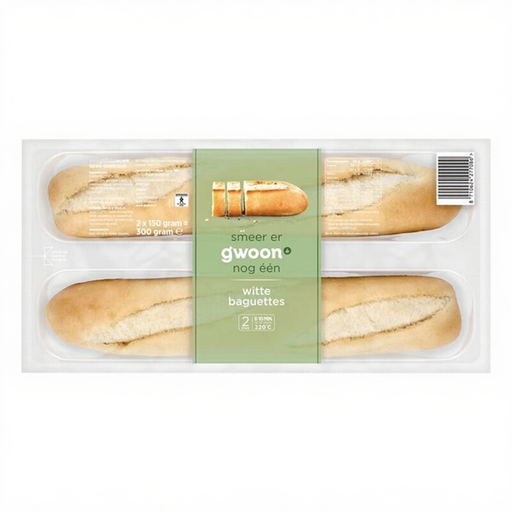 No image available
The baguette shape works well for bread served as part of a shared meal.
Check the packaging for preparation instructions, a wholemeal label and allergen information.
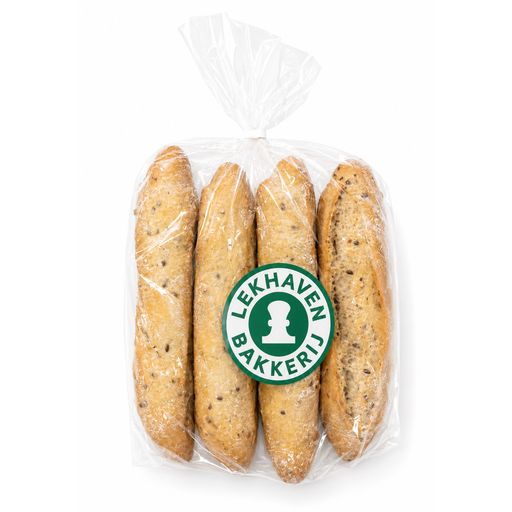
 No image available
Four individual rolls are a handy option if you want to serve separate portions.
Check the packaging if a wholemeal label or specific ingredients are important to you.
 No image available
The rustic baguette style is ideal if you want to serve bread at a shared brunch table.
Allow time for preparation if baking at home, and follow the baking instructions on the packaging; check the allergen information too.
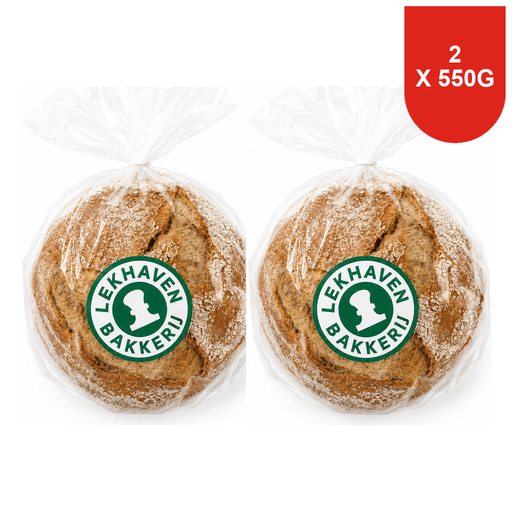 No image available
The round loaf is a good choice for sharing at the table.
The title lists two 550 g loaves; check the quantity, preparation instructions and allergens on the packaging.
 No image available
This 550 g round loaf is another pack option for sharing at a meal.
Before planning your brunch, check the storage and preparation instructions, as well as the ingredients on the packaging.
No. According to the Netherlands Nutrition Centre, multigrain bread contains at least three types of grain, but the name doesn’t mean that the bread is wholemeal. Look for an explicit wholemeal label if that’s important to you.
No. The Netherlands Nutrition Centre says that bakers are not required to use baker’s salt. For packaged bread, read the ingredients list; for unpackaged bread, ask which salt has been used.
Read the latest allergen information for the specific bread and look out for any warnings about cross-contamination. According to the Netherlands Food and Consumer Product Safety Authority, this information must be available before purchase for unpackaged bread. If you can’t find it, ask the seller.
You can, provided the product information includes freezing advice, but instructions vary from one loaf to another. Albert Heijn and PLUS give freezing advice for specific multigrain breads; follow the storage and defrosting instructions on the packaging of the product you buy.