
Hosts serving generously topped bites
You want to serve topped bites and need slices whose size and texture work well with the toppings. Before buying, check how the bread is actually sliced.


If you want to serve generously topped thick slices, choose a multigrain loaf whose slicing options you can check before buying; terms such as ‘sturdy’ and ‘oven-bottom baked’ don’t confirm how thick the slices are. A multigrain baguette offers a different way to serve bread, but it isn’t a substitute for wide slices of a large loaf. Also check whether the bread is labelled wholemeal, and read the latest ingredients and allergen information for your guests.
You want to serve topped bites and need slices whose size and texture work well with the toppings. Before buying, check how the bread is actually sliced.
You want to know more than how many types of grain a loaf contains. Check whether it is labelled wholemeal and, if the information is available, compare the fibre per 100 g.
You need the latest ingredients and allergen information before serving bread containing grains or seeds. Don’t rely on the bread’s name alone.
First decide how you want to serve the bread at your dinner party: as slices for toppings or as individual pieces of baguette. Then check the product description and any information that matters to your guests.
| What to consider | What to check | Who it matters to |
|---|---|---|
| Slice thickness and texture | Check whether the bread is pre-sliced and whether you can get the thickness you want. A name suggesting a firm loaf doesn’t guarantee thick slices. | If I want to serve generously topped bites, the slices need to be the right size and texture. This would be the main concern when buying bread for around 36% of consumers. |
| Wholemeal and fibre | Look for ‘wholemeal’ in the product description and compare the stated fibre per 100 g on a like-for-like basis. | If you want to serve wholemeal multigrain bread, the word ‘multigrain’ alone isn’t enough. An estimated 29% of consumers would want to check this first. |
| Allergens | Read the latest ingredients and allergen information, including any cross-contamination warnings. Ask for allergen information if the bread is sold loose. | If a guest has an allergy, I want to know which bread I can serve before I buy it. This information would be the main concern for around 21% of consumers. |
| When you plan to serve it | Check the storage and preparation instructions, especially if you’re buying the bread in advance or need to bake it at home. | If I buy the bread well in advance, I want to be able to plan when it will be served. This planning would be the main concern for around 14% of consumers. |
According to the Voedingscentrum, multigrain bread is made using at least three types of grain. That doesn’t tell you whether the bread is wholemeal.
Check the product description and ingredients. To compare fibre values, use the nutrition information per 100 g.
These words don’t describe how thick the slices are. For example, Albert Heijn says its whole multigrain oven-bottom loaf is sliced and packaged in store every day.
Check whether the bread is pre-sliced and ask about the actual slice thickness if you need wide, thick slices for toppings.
A name such as ‘rustic’ or ‘sourdough’ doesn’t give you a complete picture of the ingredients. Multigrain bread may contain gluten-containing cereals or sesame, among other ingredients.
If you’re catering for guests with allergies, use the latest allergen information for the specific bread, including when it’s sold loose.
According to the Voedingscentrum, bread doesn’t have to be baked with baker’s salt. So the name ‘multigrain bread’ doesn’t tell you which type of salt has been used.
If it matters to your choice, check the ingredients for baker’s salt or iodised salt.
Albert Heijn lists a whole brown multigrain oven-bottom loaf which, according to the product page, is sliced and packaged in store every day.
Jumbo’s multigrain range includes Stevig Meergranen and Boeren Donker Volkoren Meergranen.
Lidl offers multigrain bread in different forms, including rustic multigrain sourdough bread.
ALDI offers, among other options, farmhouse wholemeal multigrain bread, multigrain oven-bottom bread and multigrain baguettes.
PLUS offers a dark, round multigrain loaf and multigrain baguettes as different ways to serve bread.
Dirk offers, among other options, whole and half multigrain loaves, wholemeal multigrain bread, oven-bottom loaves and bake-at-home baguettes.
These Joybuy products offer two ways to serve bread at a dinner party: a round multigrain loaf to serve in slices and multigrain baguettes for individual portions. For the round loaf, check how it will be delivered and whether you can get the slices you want; a baguette isn’t a large loaf cut into thick slices.
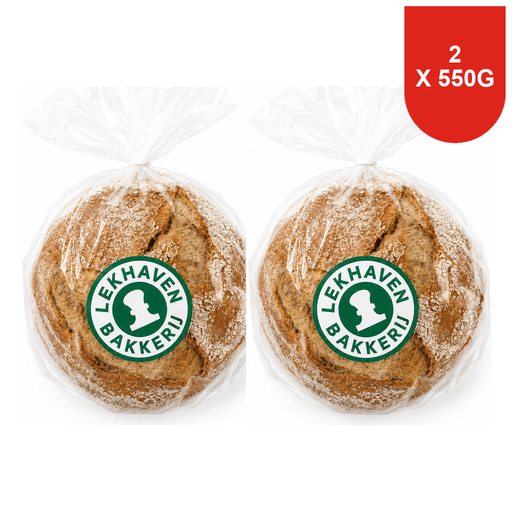 Image unavailable
If you’re serving topped bites on slices of round multigrain bread, this product is worth considering, provided the delivery format and slice thickness suit what you have in mind.
 Image unavailable
This baguette shape is an option if you’re serving individual pieces of bread at a dinner party. If you’re looking for wide slices from a large loaf for generous toppings, check whether that other shape would suit you better.
No, multigrain bread isn’t automatically wholemeal. According to the Voedingscentrum, multigrain bread contains at least three types of grain. To choose a wholemeal loaf, check the product description and ingredients.
No, according to the Voedingscentrum, bread doesn’t have to be baked with baker’s salt. Check the label or ingredients for the specific bread to see whether baker’s salt or iodised salt is listed.
Read the latest ingredients and allergen information for the specific bread; ask for it if the bread is sold loose. With multigrain bread, check for gluten-containing cereals and sesame, among other allergens, but don’t assume every product contains the same ingredients.
Follow the storage instructions on the packaging and, if needed, freeze the bread in portions. For wholemeal bread, the Voedingscentrum recommends keeping it in a kitchen cupboard for 2–4 days or in the freezer for 1–3 months. For other types of bread, check the storage instructions for that product.