What should you look for when choosing?
First decide whether wholemeal status, a shape that’s easy to serve or a specific allergen requirement matters most for your party. Then compare only breads that meet that requirement.
| What to consider |
What to check when buying |
Who is this most important for? |
| Wholemeal status and fibre |
Read the product name and ingredients list. For suitable breads, compare the fibre per 100 g. |
If ingredients are my priority, I don’t want to judge by colour or seeds. Around 33% of consumers say this check is their main priority. |
| Taste and serving size |
Choose a whole or half loaf, or smaller rolls to suit the number of children; check the label on smaller formats too. |
For fussy eaters, I want to offer bread in portions that suit the group, without assuming every child will like it. This is the main priority for around 27% of consumers. |
| Allergens and dietary requirements |
Ask about any relevant requirements in advance, then read the ingredients and any ‘may contain’ statement on the current packaging. |
If a child needs to avoid certain ingredients, I want to know whether this particular bread is suitable before serving it. This is the main concern for around 20% of consumers. |
| Quantity and availability |
Choose a size to suit the group and check shortly before buying that the bread you want is available. |
When I’m arranging bread for the party, I want to have enough to go round without having lots left over. Around 20% of consumers put this practical consideration first. |
Brands and shops to consider
These examples show the types of bread and product information you can compare; the packaging of the bread you buy is what matters.
Albert Heijn
Albert Heijn describes AH Liefde & Passie Multigrain Sliced as brown multigrain bread weighing 550 g.
- You can check the ingredients, nutritional information and allergens for this product.
- Don’t use the information for this loaf to judge other multigrain varieties; check the current label.
Jumbo
Jumbo lists multigrain bread in different sizes, including whole and half loaves.
- The different sizes make it easier to choose the right amount for your group.
- Check the current availability and allergen information for the loaf you choose.
Lidl
Lidl describes a multigrain bread containing ingredients including wheat, barley and buckwheat, available in store.
- Lidl provides separate ingredients and allergen information for freshly baked bread.
- Check the full, current product information for the specific bread you buy in store.
ALDI
ALDI lists Boeren wholemeal multigrain bread in both whole and half sizes.
- The different sizes give you a choice of quantity.
- Check the availability and label of the variety you buy.
PLUS
PLUS lists multigrain sourdough bread, as well as a smaller brown sourdough variety.
- The smaller variety may be a good option if you want to serve less bread.
- Check the information for the individual product for nutritional details and allergens.
Dirk
Dirk lists multigrain hearth bread and small multigrain rolls, among other options.
- You can choose a type of bread that suits slicing or serving individually.
- Check the shop’s stock and the information on the product you choose before the party.
Multigrain bread at Joybuy
These products include rolls that are easy to serve individually, as well as larger loaves you can portion yourself. Always check wholemeal status, ingredients and allergens for each product; the multigrain label alone won’t tell you.
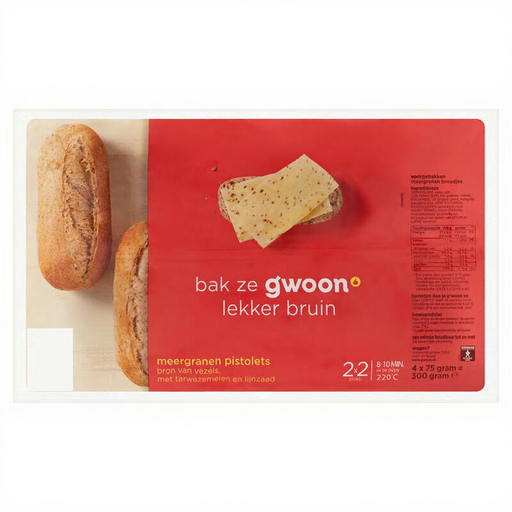 Image unavailable
g'woon Multigrain Rolls, 4 rolls
These four rolls are easy to serve individually. Before serving, check the current packaging for ingredients and allergens, including gluten-containing cereals and sesame.
View at Joybuy
 Image unavailable
Lekhaven Bakkerij Multigrain Rustic Baguette, 4 × 135 g
Four individual baguettes can be shared around the party table. Allow time for defrosting and baking; follow the cooking instructions on the packaging and check the allergen information there too.
View at Joybuy
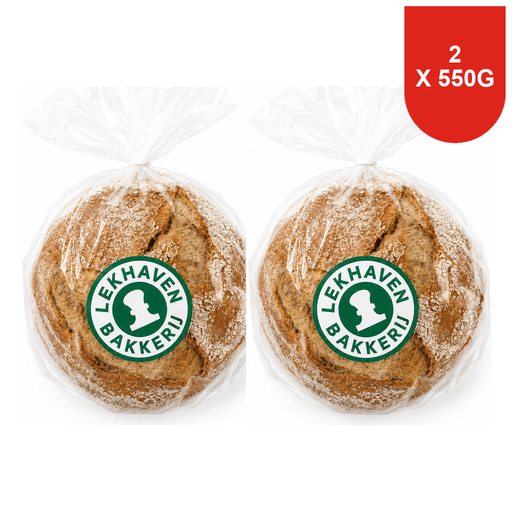 Image unavailable
Lekhaven Bakkerij Multigrain Country Bread Round, 2 × 550 g
Two round loaves give you a larger quantity to portion yourself. Allow time for defrosting, baking and cooling, and check the current packaging for ingredients and allergens.
View at Joybuy
Frequently asked questions
Is multigrain bread automatically wholemeal?
No. According to the Netherlands Nutrition Centre, multigrain refers to the use of different types of grain, but multigrain bread can also be made from refined flour. If you want to serve wholemeal bread, look for an explicit wholemeal label.
How can I check for allergens before serving the bread?
Ask in advance which allergens are relevant to the children, then read the current packaging for the exact bread you’ll be serving. Check both the ingredients and any ‘may contain’ statement; don’t rely on the name of the bread.
Can regular multigrain bread be served as gluten-free bread?
No, the word ‘multigrain’ doesn’t mean a bread is gluten-free. If gluten-free bread is needed, choose only a product with a clear, suitable gluten-free label, and check the other ingredients and allergens on the current packaging too.
What should I look for if baker’s salt matters to me?
Check the ingredients list for the loaf you’ve chosen to see whether it lists baker’s salt or iodised salt. The Netherlands Nutrition Centre highlights baker’s salt as part of children’s diets, but the word ‘multigrain’ doesn’t tell you which salt has been used.
How can I avoid having too much bread left over?
Choose a size to suit the number of children: a half loaf or individual rolls may be a better fit than a whole loaf. Check wholemeal status and allergens separately, as the serving format doesn’t tell you anything about either.


