
Campers who want more fibre
You want to know whether your breakfast or lunch bread is genuinely wholemeal. The word ‘multigrain’ on its own doesn’t tell you that; when comparing wholemeal options, check the fibre per 100 g too.


If you want multigrain bread for camping that is definitely wholemeal, don’t judge it by its dark colour or seeds. Look for the word ‘wholemeal’ first, then compare the ingredients and fibre per 100 g. Choose an amount to suit your trip and check how to freeze the bread before you leave and store it while you’re away. If you have dietary requirements, the label on the exact product is what matters.
You want to know whether your breakfast or lunch bread is genuinely wholemeal. The word ‘multigrain’ on its own doesn’t tell you that; when comparing wholemeal options, check the fibre per 100 g too.
You want to portion and freeze your bread before leaving, so you don’t have to open more than you’ll use while you’re away. The storage instructions on the packaging will tell you how to take your chosen bread with you.
Before buying, you check the grains and allergens in the exact product. Multigrain products may contain different gluten-containing grains and other allergens, such as soya, milk or sesame.
Start by deciding whether wholemeal is a must-have. Then choose an amount and storage method to suit your trip, and check any ingredients or allergens that matter to you.
| What to consider | What to check before buying | Who is this most important for? |
|---|---|---|
| Wholemeal and fibre | Look for the word ‘wholemeal’ and compare the fibre per 100 g on the packaging. | If I want wholemeal bread for my camping lunch, a dark colour isn’t enough. For around 36% of consumers, choosing wholemeal bread with more fibre comes first. |
| Storage and freezing | Read the storage and freezing instructions, then decide before you leave which portions you can freeze. | If I’m away for several days without buying bread, I want to know how to store the opened pack. Around 29% of consumers give storage the highest priority. |
| Portion size | Choose a whole or half loaf, or individual rolls, to suit the number of people and meals. | When I’m travelling with a small group, I don’t want to open a whole loaf every time and have leftovers. Getting the portions right matters most to around 21% of consumers. |
| Ingredients and allergens | Check the full ingredients and allergen information for the exact product, including whether it contains iodised salt if that matters to you. | If I need to avoid or keep track of certain grains, allergens or ingredients, the label comes before taste and portion size. For around 14% of consumers, checking this is the first priority. |
According to the Netherlands Nutrition Centre, ‘multigrain’ tells you that different types of grain have been used, but not necessarily that the whole grain has been used. Seeds or a dark colour don’t confirm that bread is wholemeal either.
Look for the explicit ‘wholemeal’ label, then compare the ingredients and fibre per 100 g.
A large, opened loaf can be impractical if you only use a few slices a day and can’t freeze it while you’re away.
Divide the loaf into useful portions before you leave, and follow the freezing and storage instructions on the packaging. A half loaf or individual rolls may suit a small group better.
Bread that dries out or goes mouldy may have to be thrown away.
A name such as ‘wholemeal multigrain’ doesn’t tell you which grains and other allergens are in the exact product. For example, the PLUS Korenlanders rolls reviewed list soya, milk and sesame, as well as gluten-containing grains.
Check the latest ingredients and allergen information on the packaging every time you buy.
Albert Heijn lists iodised salt in the Zaans wholemeal multigrain bread reviewed. This doesn’t tell you anything about the salt in a different product.
If this ingredient matters to you, check the ingredients list on the bread you’re actually buying.
These supermarket brands offer a range of bread types. Always compare the exact product: a standard multigrain name and a wholemeal multigrain name don’t mean the same thing.
Zaans wholemeal multigrain bread is a useful example for comparing nutritional information and freezing advice.
The half loaf of wholemeal multigrain bread reviewed shows what information you can compare when choosing a smaller pack.
Korenlanders wholemeal multigrain rolls are an example of individually portioned bread for your trip.
ALDI describes a whole farmhouse wholemeal multigrain loaf with grains and seeds.
Dirk stocks both multigrain products and a Multikorn wholemeal product.
Halfje donker multigrain bread is an example of a product whose dark name doesn’t mean it is wholemeal.
These options include wholemeal flatbread, rye bread and wholemeal wheat bread if you’re also considering an alternative to multigrain bread. Pay particular attention to portion sizes and whether you can use an oven at the campsite.
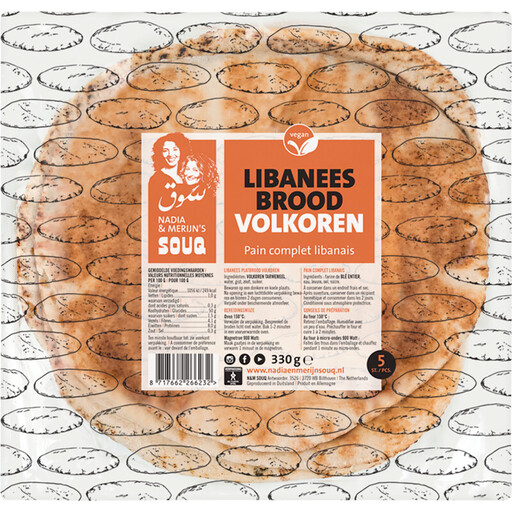 Image unavailable
A handy option if you want flatbread at the campsite without having to bake it; the pack contains six pieces. Check the storage instructions after opening and, if you have dietary requirements, look on the label for wheat, gluten and possible traces of soya or milk. This flatbread is not multigrain bread.
 Image unavailable
A good choice if you want to take rye bread as an alternative in individual portions; this pack contains nine pieces. It is not multigrain bread. Check the storage instructions before you leave and, if you have dietary requirements, read the information about gluten and possible traces of sesame, milk and nuts.
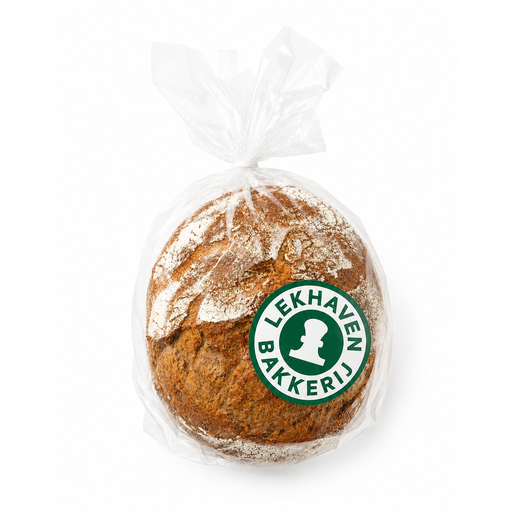 Image unavailable
A practical option for camping only if you can defrost the bread and finish baking it in an oven. This 550 g wholemeal wheat bread is not multigrain bread; check the preparation instructions and ingredients on the packaging before taking it with you.
No. According to the Netherlands Nutrition Centre, ‘multigrain’ means bread made with at least three types of grain, but the name alone doesn’t mean that the whole grain has been used. Look for ‘wholemeal’, then compare the ingredients and fibre per 100 g.
The Netherlands Nutrition Centre says opened wholemeal bread keeps for two to four days in a kitchen cupboard and one to three months in the freezer. Follow the instructions on the packaging too, and freeze suitable bread in portions before you leave.
Follow the storage instructions on the packaging for the bread itself; a cool box is mainly important for perishable fillings and toppings. The Netherlands Nutrition Centre advises keeping perishable food in a cool box for no more than one day when camping without a fridge.
No, don’t assume this is the case for every loaf. Albert Heijn lists iodised salt in the Zaans wholemeal multigrain bread reviewed; check the current ingredients list for any other product.
The words ‘wholemeal multigrain’ don’t mean that bread is gluten-free. Check that the exact product is labelled gluten-free and read the ingredients and allergen information; multigrain products reviewed list gluten-containing grains, among other ingredients.