
Everyday price comparers
You regularly buy bread for breakfast or lunch and want to compare a half loaf, a whole loaf or bake-at-home bread on more than just the packaging. How much you’ll actually eat is an important part of your choice.


For your regular shop, a half loaf of multigrain bread is a good fit if you don’t use much bread at a time. A whole loaf can work too, provided you freeze it in portions as soon as you get it home. If you’re looking for wholegrain bread, don’t rely on the word ‘multigrain’ alone: check the product description and ingredients. For allergen information or questions about bakers’ salt, check the details for the specific loaf.
You regularly buy bread for breakfast or lunch and want to compare a half loaf, a whole loaf or bake-at-home bread on more than just the packaging. How much you’ll actually eat is an important part of your choice.
You’re looking for multigrain bread for everyday use, but also want to know whether it’s genuinely wholegrain. According to the Netherlands Nutrition Centre, ‘multigrain’ on its own doesn’t mean that a loaf is made with wholemeal flour.
You need to check for specific allergens, want to know whether bakers’ salt has been used, or are buying bread for later. In these cases, the product information and a plan for storing it matter just as much as the size you choose.
First, work out how much bread you use and whether wholegrain is a must-have for you. Then compare loaves in a suitable format and quantity for the same use. Check the allergens and storage instructions for each product.
| What to consider | What to check when buying | Who is this important for? |
|---|---|---|
| Quantity and loaf format | Compare the weight and choose between a half loaf, a whole loaf and individual rolls. | If I don’t eat much bread at a time, I don’t want to buy a whole loaf that I won’t finish. For around 38% of consumers, keeping the upfront cost of everyday bread low is a priority. |
| Wholegrain status | Look for ‘wholegrain’ in the product description and check which types of flour are listed in the ingredients. | I want multigrain bread that’s also labelled wholegrain, not just a loaf made with different grains. Around 31% of consumers make choosing wholegrain their priority. |
| Allergens and bakers’ salt | Read the allergen and ingredient information for the specific loaf. If it’s sold unpackaged, ask the retailer. | If I need to avoid an allergen or want to know which salt has been used, I can’t rely on the name of the bread. For around 16% of consumers, this information is their top priority. |
| How much you use and storage | Choose a size that suits how much bread you use and check whether you can freeze it in portions straight away. | I’d rather buy an amount I can store than throw bread away before I’ve finished it. Around 15% of consumers base their choice mainly on stock levels and food waste. |
According to the Netherlands Nutrition Centre, multigrain refers to bread made with at least three types of grain. It doesn’t tell you whether the flour is wholemeal.
If you want wholegrain bread, look for an explicit wholegrain label and check the ingredients of the loaf you’re buying.
A half loaf, a whole loaf and a pack of bake-at-home bread can differ in both shape and contents. Simply comparing the number of packs won’t help you choose a useful amount.
Compare the weight and format, and think about how many portions you’ll need before storing or baking the bread.
The name ‘multigrain’ doesn’t tell you which gluten-containing grains or other allergens a particular loaf contains. Visible seeds don’t give you the full picture of the ingredients either.
Check the product’s allergen information. If the bread is sold unpackaged, ask for details before you buy. If you need to avoid gluten, only rely on an explicit gluten-free label, not the word ‘multigrain’.
A large loaf may not be the best choice if you only use a few slices a day and can’t store the rest in time. The Netherlands Nutrition Centre recommends freezing bread in portions on the day you buy it.
Choose a size you can finish, or freeze the bread straight away in portions you can use later.
These brands have a range of multigrain products. Check the product description, size and information available at your local shop for each loaf.
Albert Heijn offers multigrain bread in a range of formats.
Jumbo sells multigrain bread, including products specifically described as wholegrain multigrain bread.
Lidl offers, among other things, a rustic multigrain sourdough loaf with kernels and seeds.
ALDI lists both standard multigrain bread and wholegrain multigrain bread in its fresh daily range.
PLUS sells, among other things, Korenlanders multigrain bread and wholegrain multigrain products to bake at home.
Dirk offers multigrain bread in different sizes, alongside wholegrain multigrain and bake-at-home options.
These products include multigrain loaves, baguettes and rolls in a range of portion sizes. The Lekhaven products are described as frozen bread that you bake after defrosting. Check the wholegrain labelling, quantity and allergens for each product individually.
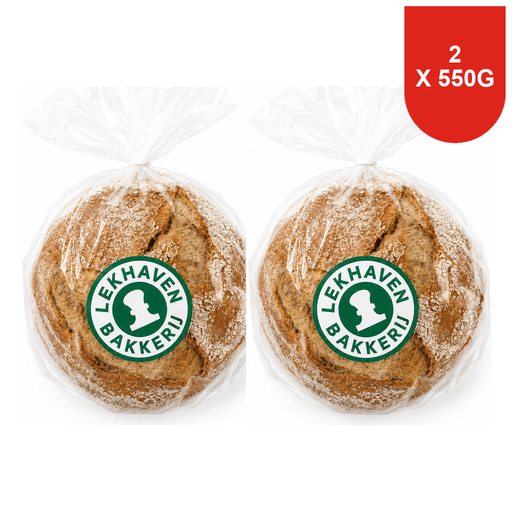 Image unavailable
For anyone who wants to store two round loaves and bake them later. The product description says to defrost before baking. Check the wholegrain labelling and ingredients if these matter to your choice.
 Image unavailable
For anyone who wants four individual baguettes to enjoy on different occasions. The stated quantity is 4 × 135 g. According to the product description, the baguettes should be baked after defrosting.
 Image unavailable
For anyone who wants to store one round loaf for a later occasion. The title gives the weight as 550 g; the product description says to defrost and bake before use. Check the ingredients if you’re specifically looking for wholegrain bread.
 Image unavailable
For anyone who prefers four individual rolls to a whole loaf. Check the packaging for ingredients and allergens; the product information lists gluten-containing grains and sesame, among other things.
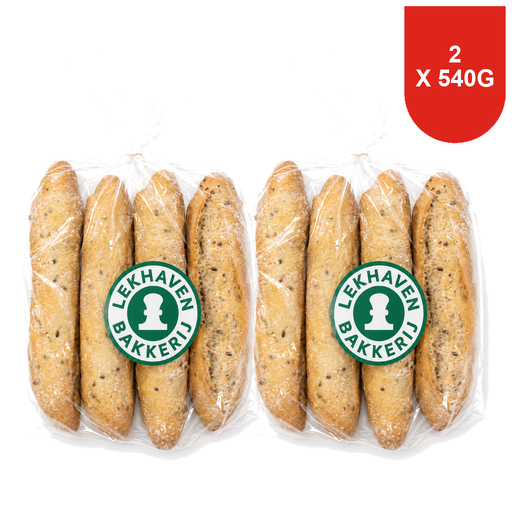 Image unavailable
For anyone who wants to stock up on multigrain baguettes. The title states 4 × 135 g × 2, while the description mentions four baguettes; check the total quantity on the packaging. The description says to defrost and bake the baguettes.
No. According to the Netherlands Nutrition Centre, ‘multigrain’ refers to the number of types of grain, not whether the flour used is wholemeal. If you want wholegrain bread, check the product description and ingredients.
No, don’t assume that it does. According to the Netherlands Nutrition Centre, bakers don’t always use bakers’ salt. Check the label or ask which salt has been used if the bread is sold unpackaged.
Ask for the allergen information for that specific loaf before you buy. The Netherlands Food and Consumer Product Safety Authority says sellers must be able to provide information about the relevant allergens in unpackaged foods. Don’t try to work out the ingredients from the name or appearance.
Freeze the bread in portions on the day you buy it, then take out only what you need. This is the storage advice from the Netherlands Nutrition Centre. Alternatively, choose a smaller loaf that suits how much bread you use.
Only if the cooking instructions for that product say you can. PLUS recommends 5–6 minutes at 200 °C in a preheated air fryer for its wholegrain multigrain baguettes. Follow the product’s own instructions for anything else.