
Stocking up with freezer space
You buy several loaves at once and want to defrost only the portions you need. The Netherlands Nutrition Centre recommends freezing bread in portions straight after purchase.


If you have freezer space and eat sandwiches regularly, choose a whole or sliced multigrain loaf that you can freeze in portions straight away. If you don’t have freezer space, bake-at-home bread could be a good option, provided you can follow the storage instructions and have time to prepare it. For either option, check separately whether the bread is wholemeal: according to the Netherlands Nutrition Centre, multigrain does not automatically mean wholemeal.
You buy several loaves at once and want to defrost only the portions you need. The Netherlands Nutrition Centre recommends freezing bread in portions straight after purchase.
You’re looking for everyday bread, but don’t want to assume that multigrain bread is also wholemeal. The product name, ingredients and nutritional information can help you assess the exact variety.
You want to stock up on bread that can be stored outside the freezer before baking, as directed on the packaging. Bake-at-home bread is an option, as long as you also allow for the preparation time and have the right equipment.
Work out how much bread you’ll actually use and how you can store it. Then check whether each product is wholemeal and suitable for baking at home, in line with your preferences.
| What to consider | What to look for | Who is it important to? |
|---|---|---|
| Amount you can use | Compare the weight and number of portions for the same type of bread. Think about how much you’ll eat before it starts to lose quality. | If I eat sandwiches every day, I want to stock up on an amount that suits how much I use. For around 36% of consumers, the amount they can use would be the first consideration. |
| Freezing without waste | Divide fresh bread into portions straight after purchase and follow the storage instructions on the packaging. | When I buy several loaves at once, I don’t want to defrost more than I can eat. Around 29% of consumers would put reducing waste first. |
| Wholemeal and ingredients | Check the wholemeal labelling, ingredients, fibre per 100 g and allergens for the exact variety. | If I’m choosing a wholemeal variety or need to check for allergens, I want to know what’s in this particular loaf. For around 21% of consumers, this product information would be the main consideration. |
| Stocking up without a freezer | Check the storage instructions and use-by date for bake-at-home bread, and make sure you have the equipment needed to prepare it. | Without enough freezer space, I want to be able to store bread and bake it when I need it. Around 14% of consumers would consider this convenience the most important factor. |
A whole loaf, half a loaf and bake-at-home baguettes won’t necessarily provide the same number of servings.
Check the weight and portions per pack. Also consider how fresh bread and bake-at-home bread differ in how they’re stored and prepared.
A large stock-up is only useful if you divide and store the bread in time. According to the Netherlands Nutrition Centre, bread can become drier if it’s kept in the freezer for a long time.
Freeze fresh bread in small portions straight after purchase, write down the date and follow any shorter storage instructions on the product.
According to the Netherlands Nutrition Centre, multigrain refers to the number of types of grain, not necessarily the amount of wholemeal flour.
If wholemeal is what you’re looking for, choose a wholemeal variety and compare the ingredients and nutritional information for the specific loaves.
The Netherlands Nutrition Centre says bread does not have to be baked with baker’s salt. Allergens also vary from product to product.
Read the current label for each loaf, especially if the ingredients or allergens are important to your choice.
Worth considering if you want to check the details of a whole multigrain loaf before freezing it.
Worth considering if you want to compare whole and half multigrain loaves.
Worth considering if you want to compare a whole multigrain loaf with bake-at-home bread in store.
Worth considering if a half wholemeal multigrain loaf or bake-at-home baguettes better suit how much you use.
Worth considering if you want to check details of multigrain bread and bake-at-home products online.
Worth considering if you want to check the ingredients and allergens in oven-fresh bread in advance.
These products are multigrain baguettes and round multigrain loaves to store and bake at home. Choose a pack that suits how much you use, the freezer space you have and how you plan to prepare it. Check the storage instructions, ingredients and allergens for each product.
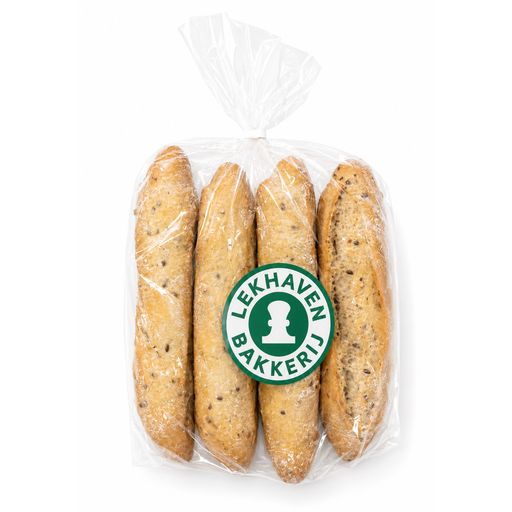 Image unavailable
A pack of four smaller baguettes, so you don’t have to use a whole loaf at once. Make sure you have space to store them and time to defrost and bake them. Check the packaging for wholemeal labelling and allergen information.
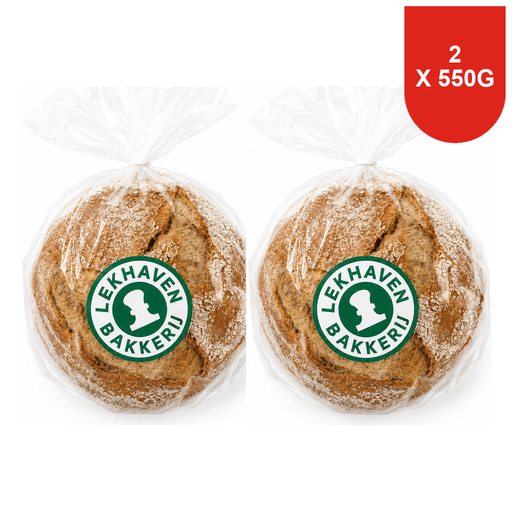 Image unavailable
Two round loaves for anyone who wants to store several whole loaves at once. Make room for both loaves and allow time to bake them after defrosting and let them cool. Check the packaging for storage and allergen information before use.
 Image unavailable
One round loaf if a smaller stock-up suits how much you use better than a pack of two. This loaf also needs preparing before baking. Check the storage instructions, wholemeal labelling and allergens on the packaging you choose.
No. According to the Netherlands Nutrition Centre, multigrain bread contains at least three types of grain, but the name alone doesn’t mean the bread is wholemeal. Check the product name, ingredients and nutritional information for the exact variety.
Freeze fresh bread in portions straight after purchase and take out what you need. The Netherlands Nutrition Centre recommends freezing wholemeal bread for one to three months and notes that it can become drier over time. Follow any shorter storage instructions on the product packaging.
No, you can’t tell from the type of bread alone. The Netherlands Nutrition Centre says baker’s salt does not have to be used when baking bread. Check the label on the bread you choose to see what type of salt has been used.
Check the allergen information on each pack separately. Multigrain loaves can contain different grains and other ingredients, so if you have an allergy, don’t assume a product is suitable based on the word ‘multigrain’ alone.