What should you look for when choosing?
First decide whether wholemeal, the bread’s texture and appearance for the occasion, or a dietary requirement matters most. Then compare the information for the specific breads you’re considering.
| What to consider | What to check when buying | Who is this important for? |
|---|
| Wholemeal and fibre |
Look for a wholemeal label and compare the fibre per 100 g on the packaging of the specific breads. |
If I eat a sweet breakfast every day, I want to know whether my bread is actually wholemeal and how much fibre it contains. This is the top priority for around 50% of consumers. |
| Flavour and presentation |
Check whether sourdough, kernels or seeds are listed in the ingredients, and choose a shape and crust that go well with your toppings. |
For brunch, I’m mainly looking for bread whose texture and appearance suit the breakfast table. This is the top consideration for around 30% of consumers. |
| Gluten and allergens |
If you need gluten-free bread, check that it is explicitly labelled as such. For other allergens, read the full product information. |
If I need to avoid a particular ingredient, I also need to check that the bread and the way it’s served meet that requirement. This is the main concern for around 20% of consumers. |
Multigrain bread at Joybuy
These multigrain loaves and rolls are for anyone looking for a round loaf, rustic baguettes or smaller rolls to serve with a sweet breakfast. If you specifically want wholemeal or gluten-free bread, check for that feature separately on the variety you choose.
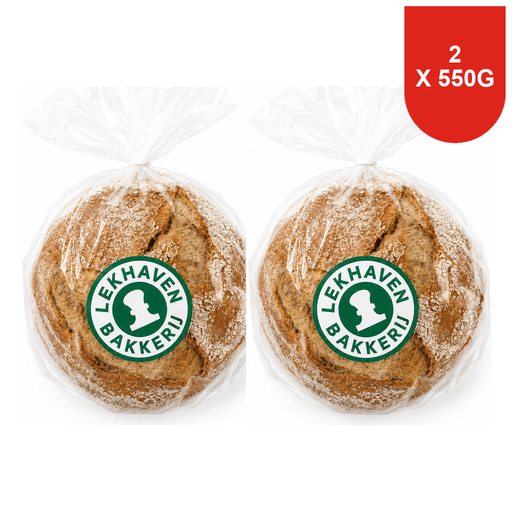 Image unavailable
Lekhaven Bakkerij Multigrain Country Bread, round, 2 × 550 g
The round shape could work well for a brunch where you want to slice the bread at the table.
The product name lists two loaves weighing 550 g each. Check the current packaging for wholemeal ingredients, allergens and any baking instructions.
View at Joybuy
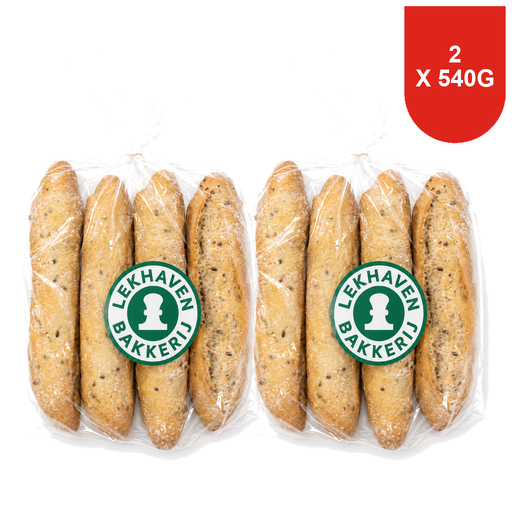 Image unavailable
Lekhaven Bakkerij Multigrain Rustic Baguette, 2 × 4 baguettes weighing 135 g each
Individual baguettes can be handy when you want to serve bread to several people at the breakfast table.
The product name lists two packs of four baguettes weighing 135 g each. Check the current packaging for allergens and any baking instructions.
View at Joybuy
 Image unavailable
Lekhaven Bakkerij Multigrain Country Bread, round, 550 g
This round multigrain loaf is a good fit for a breakfast where you want to slice one loaf at the table.
The product name lists a weight of 550 g. Check the label if wholemeal ingredients, allergens or baking instructions are important to your choice.
View at Joybuy
 Image unavailable
g'woon Multigrain Rolls, 4 multigrain rolls
The smaller rolls are ideal for a breakfast where everyone wants their own roll to top.
The product name lists four rolls. Check the label for wholemeal content and allergens if these are important to your choice.
View at Joybuy
Frequently asked questions
Is multigrain bread automatically wholemeal?
No. According to the Netherlands Nutrition Centre, ‘multigrain’ means that bread is made with at least three types of grain; it may also contain refined flour. If you’re choosing between specific loaves, look for a wholemeal label and compare the fibre per 100 g.
Is iodised baker’s salt compulsory in every Dutch loaf of bread?
No, not in every loaf. The Netherlands Food and Consumer Product Safety Authority says that adding iodine compounds through baker’s salt is permitted in bread, not that it’s a general requirement for every loaf. Check the ingredients of the specific product if you want to know what type of salt it contains.
Can I choose regular multigrain bread if I need gluten-free bread?
No. The label ‘multigrain’ doesn’t guarantee that bread is gluten-free. Choose bread that is explicitly labelled as gluten-free, read the other allergen information too, and avoid contact with regular bread when slicing or toasting it. If you have a wheat allergy, check separately whether the product contains wheat.
Which allergens should I look out for in multigrain and seeded bread?
Check each loaf’s packaging for grains that contain gluten and other allergens, such as sesame or soya. According to the Netherlands Nutrition Centre, allergens that must be declared by law need to be clearly listed. Don’t rely on the bread’s name alone to tell you what it contains.
How should I store bread left over after brunch?
It’s best to freeze bread you won’t use soon in portions. The Netherlands Nutrition Centre recommends keeping wholemeal bread in a kitchen cupboard for 2–4 days or in the freezer for 1–3 months. Also follow the storage instructions on the packaging of the bread you buy.


