
Vandaag of morgen in huis

Kwaliteit gegarandeerd

Welkomstaanbiedingen ontgrendelen: GRATIS bezorging | Tot 80% korting | Gratis 30 dagen JoyPlus-proefperiode
Download de app
A device that promises to perform several tasks may seem appealing for a compact Dutch home. However, a multifunctional product can prove impractical if its capacity is limited, cleaning takes too long or important specifications are missing. If you are looking for multifunctional household products, it is therefore wise to consider more than just the number of functions or a low price.
A device may list five or thirteen functions, while its capacity or working surface remains limited. A portable 300 ml soya milk maker is useful for one portion, but less suitable for a household that wants to prepare several cups at once. Always check:
Terms such as “powerful”, “professional” or “for all surfaces” mean little without technical data. With a steam cleaner, for example, power, steam pressure, heating time and included accessories are more relevant. With a daylight lamp, you should check the lux, the measuring distance and the illuminated area.
Claims about performance are not automatically independently verified either. According to a brand’s own research or product information, a lamp may, for example, be intended to imitate natural daylight. That is not a guarantee of a personal effect and does not replace medical advice.
A product used every day should be easy to clean. Look for a non-stick coating, removable parts, a dishwasher-safe accessory or an automatic cleaning function. Electrical components must never simply be held under water. Also check whether blades, brushes or filters can be reached without completely dismantling the device.
Measure the available space on your worktop, desk or in a cupboard beforehand. Compact kitchen appliances are particularly practical if they can be stored easily after use. As well as the dimensions, consider the weight and shape of the base. A narrow appliance with an unstable base may be less convenient in everyday use.
For personal care, such as an eyelash curler, ergonomics and controlled pressure are more important than a long list of functions. A simple design may be perfectly adequate if it feels comfortable in your hand and allows you to move along the lash line in a controlled way.
For appliances that come into contact with food or milk, it is useful to check which material has been used on the inside. The Plodon soya milk maker, for example, lists an inner pot made from 304 stainless steel. According to the product information, the Philips milk frother has a non-stick coating and parts that can be placed in the top rack of the dishwasher.
With a carpet cleaner or steam cleaner, you should also consider:
Check whether the product is intended for household use, which mains voltage is specified and whether there are warnings relating to moisture, heat or children. A water-resistant housing does not mean that the entire base may be submerged in water.
With a daylight lamp or light therapy lamp, the stated lux value and measuring distance are important. According to the product description, the Beurer TL 30 specifies 10,000 lux at 15–20 cm, an illuminated area of 20 × 12 cm and UV-free LED technology. The Beurer TL 80 also specifies 10,000 lux, but is larger and uses two fluorescent tubes. Choose based on where you will use it, the distance and the size, rather than on the lux value alone.

Why it suits this profile: A manual tool with no plug, settings or maintenance costs. Ideal if you want to try a simple personal-care solution first.
The design does not feature an unnecessarily long list of functions. You control the pressure yourself and keep the tool clean and dry.
Ergonomic handle; designed to curl lashes from the inner to the outer corner.
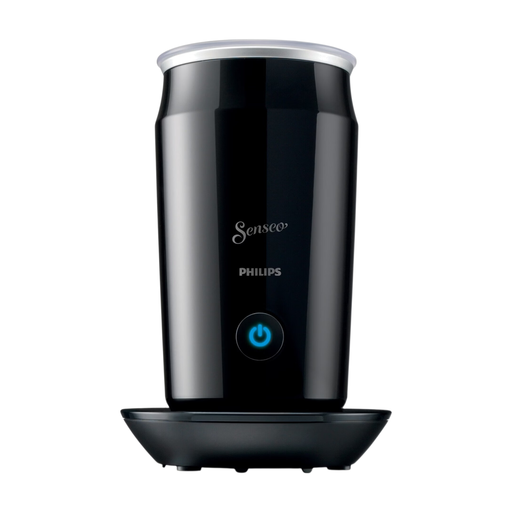
Why it suits this profile: For coffee drinkers who regularly make cappuccinos, lattes, macchiatos or iced coffee recipes and value easy maintenance.
The 120 ml capacity is clearly stated, and according to the product information the inside has a non-stick coating. The base must not be submerged.
120 ml capacity; hot and cold milk frothing; according to the product information, dishwasher-safe in the top rack.
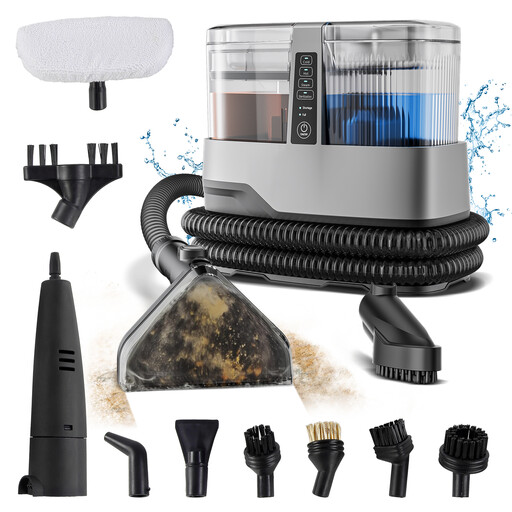
Why it suits this profile: For households looking for one appliance for several cleaning tasks involving carpets, sofas, car interiors and other suitable surfaces.
The 1800 W power rating and stated steam pressure of 17 kPa make the technical basis easy to verify. Before use, check which materials are suitable.
13-in-1 designation according to the product name; designed for dry and wet cleaning with a steam function.
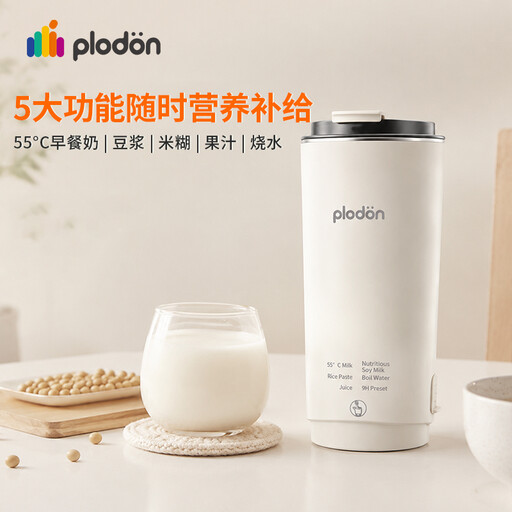
Why it suits this profile: Convenient for making one hot drink at home, in the office or on the go. Its compact size suits users with limited storage space.
The 300 ml capacity prevents unrealistic expectations about portion size. The product information also specifies a minimum 30-minute pause between cycles.
Five stated functions; 300 W heating power; automatic cleaning function according to the product description.
We have put together a complete, up-to-date list of products that fully meet these strict selection criteria and the applicable European safety regulations.
The purchase price is not the only cost to consider. An electric milk frother generally uses short programmes, while a high-powered steam cleaner may consume more electricity during lengthy cleaning sessions. Also check the price and availability of replacement parts, such as filters, brushes, seals or a special cleaning solution.
Regular maintenance helps extend the product’s service life:
That depends on how often you use the functions. One appliance can save space and avoid the need for a second purchase, but a combination product is not automatically cheaper. Compare the functions you will actually use with the price of separate appliances, maintenance and running costs.
First, check the dimensions, capacity, materials, included accessories and safety instructions. Also check whether the product page lists a manufacturer, model number and clear usage restrictions. Photos and marketing terms are useful for forming an initial impression, but technical specifications provide a better basis for comparison.
Lifespan varies depending on the product, frequency of use and maintenance. An appliance that is overloaded every day or stored while wet may wear out more quickly. Follow the maximum capacity, specified pauses and cleaning instructions. This provides a more realistic basis for long-lasting use than a promised functional lifespan alone.
