
Vandaag of morgen in huis

Kwaliteit gegarandeerd

Welkomstaanbiedingen ontgrendelen: GRATIS bezorging | Tot 80% korting | Gratis 30 dagen JoyPlus-proefperiode
Download de app
A multifunctional blender and food processor can replace several appliances. With one base unit, you can make smoothies, sauces, soups, dips, chopped vegetables and sometimes even dough or mince. That saves space, but only if the functions suit the way you actually cook.
Many households buy an appliance based on a high wattage or a long list of functions. Then they find that the bowl is too small, the accessories are difficult to clean or the motor can only handle short cycles. This buying guide helps you avoid these common purchasing mistakes.
Motor power, such as 600W or 1,300W maximum power, gives an indication of the motor, but not automatically of its performance with every ingredient. Also look at:
A smoothie blender with a small cup is convenient for one portion, but less suitable for a family. A large bowl is more practical for meal prep, but takes up more cupboard space.
A kitchen machine with blender may include various accessories for chopping, grating, slicing, grinding and kneading. Always check what is actually included in the box. A blender jug alone does not make a food processor with slicing discs or a meat mincer.
Pay particular attention to the difference between:
Blades, lids and drive mechanisms have seams where food residue can collect. Check whether the parts can be removed and whether the manufacturer states that they are dishwasher-safe. With a dishwasher-safe blender, only certain parts can often go in the dishwasher, usually on the top rack.
The motor base must not be immersed in water. Switch off the appliance and unplug it before changing accessories or cleaning the blades. When processing hot liquids, follow the instructions: some appliances cannot process hot ingredients, while other models allow only partially filled jugs.
For smoothies, soft vegetables and sauces, medium power is often sufficient. If you want to process ice, nuts, firm vegetables or dough, a more powerful motor and short pulse cycles are useful. Do not look only at the maximum wattage; also check for overheating protection and the recommended breaks between uses.
According to HoninJoy’s product description, the FP12 offers up to 1,300W, programmes for chopping, puréeing, dough and discs, plus a two-minute cooling period after cycles. These are verifiable product details; actual suitability depends on the ingredients, quantity and use in accordance with the instructions.
A blender with an ice-crushing function and a jug of around 1.5 litres is suitable for several portions of smoothies or soup. A food processor bowl of approximately 1.8 to 2 litres provides more room for vegetables, dips and batter. For one person, a 700 ml cup may be more convenient.
Glass is heat- and odour-resistant, but heavier than plastic. Tritan is lightweight and shatter-resistant; always check the permitted temperature. A stainless steel bowl is practical for dough and heavier preparations. Also look for a sturdy non-slip base and a lid lock.
Make a brief list of the tasks you want to perform:
Not every appliance is designed for all these applications. For baby food, easy disassembly is particularly important. Wash parts immediately after contact with raw meat and only use accessories for their intended purpose.
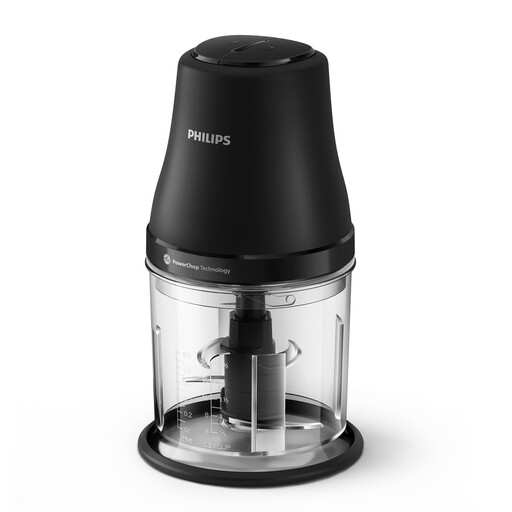
Why it suits this profile: This compact model is designed for everyday chopping, dips, pesto, guacamole and small amounts of preparation. The 1-litre bowl and 450W of power are ideal for beginners who do not need a large food processor.
The functions are straightforward: two speeds and a pulse function instead of a long, confusing list of features.
According to the product information, the bowl, lid and blades are dishwasher-safe. Non-slip feet help provide stable operation.

Why it suits this profile: This multifunctional kitchen machine is designed for home cooks who want to prepare dough, mince, citrus-press recipes and sliced vegetables as well as blend.
The product description lists the included accessories and the 3.9-litre stainless steel bowl, making it easier to decide in advance whether the system suits your kitchen.
Accessories include a blender, meat mincer, citrus press, grating discs and dough attachment. Check the current box contents before buying.
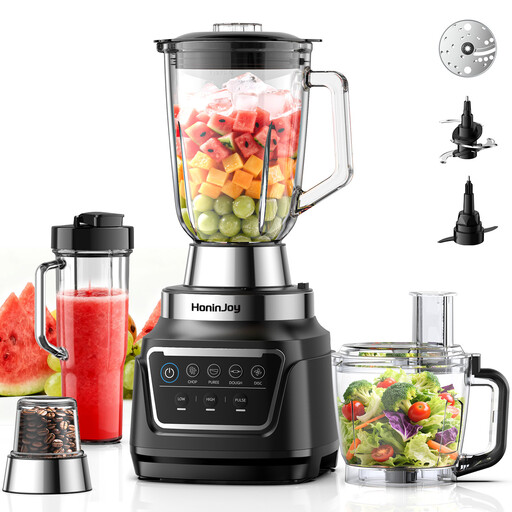
Why it suits this profile: The combination of a blender jug, food processor bowl, grinder jar and sports bottle is practical for families and users who regularly prepare smoothies, chopped ingredients, sauces or dough.
The product information lists a lid lock, overheating protection and a recommended cooling period. Use the accessories within the specified quantities.
According to the manufacturer, the removable parts are suitable for the top rack of the dishwasher. The set lists a 1.5-litre jug and a 2-litre food processor bowl.
We have put together a complete, up-to-date list of products that fully meet these strict selection criteria and the applicable European safety regulations.
A multifunctional appliance will generally last longer when you avoid placing unnecessary strain on the motor. Cut large ingredients into smaller pieces first, do not fill the bowl above the maximum mark and allow the motor to rest as instructed. When using a blender, always add enough liquid if recommended.
Also pay attention to the following:
Before buying, check the instructions, warranty terms, responsible seller and information about European product safety. A CE mark must be visible and correctly applied; the mark is not a substitute for reading the safety instructions.
It can be, provided the manufacturer states that it is suitable for this use and the ingredients remain within the temperature and quantity limits. A smooth purée usually requires a blender or chopper with sufficient liquid. Wash the bowl, lid and blade thoroughly immediately after use.
Lower power is often sufficient for soft vegetables, fruit and sauces. For ice, nuts, fibrous vegetables or dough, motor power, blade design, pulse function and cooling time are more important together than the wattage shown on the packaging.
Consumption depends on the power and length of use. A 1,300W appliance uses its maximum power only when the motor actually requires it. Short preparation times, correctly sized portions and breaks as recommended in the instructions help limit unnecessary energy use.
