
Vandaag of morgen in huis

Kwaliteit gegarandeerd

Welkomstaanbiedingen ontgrendelen: GRATIS bezorging | Tot 80% korting | Gratis 30 dagen JoyPlus-proefperiode
Download de app
A flat car battery, a slowly deflating tyre or a dark car park: breakdowns usually happen at the worst possible time. A multifunctional jump starter can combine several useful tools in one device, including a 12V jump starter, compressor, car power bank, LED light and sometimes an OBD2 fault-code reader.
However, a high amp rating is not the only thing you should consider. Some models are mainly suitable for smartphones and accessories, while others are designed for cars, SUVs, hybrids or diesel vehicles. Below, you’ll find out which specifications matter and which pitfalls to check before buying.
A rating such as 7000A sounds impressive, but this is usually the maximum peak current under certain conditions. Actual performance also depends on the battery condition, temperature, cables, connections and vehicle type.
Always check:
According to UTRAI’s product information, the JS-30 is intended for 12V petrol vehicles, diesel vehicles up to 14 litres and hybrid models. This does not mean that every car will start in all conditions. Treat this information as a product specification and always follow the instructions for both the vehicle and the jump starter.
A jump starter with compressor is useful when you want to check or top up your tyre pressure on the road. However, a maximum pressure of, for example, 150 PSI does not indicate how quickly a car tyre will inflate. The hose length, valve connection, heat generation and automatic shut-off are also important.
Look for:
A portable air compressor for cars is not a replacement for a professional tyre service. Use the device to correct tyre pressure temporarily and have any damaged tyre checked.
A device with an LED light, USB ports, DC output and fault-code reader can be versatile. In an emergency, however, you need to be able to see quickly how much charge is available and which connection is for what.
Before buying, check:
A fault-code reader can display information from the engine management system, but it is not a substitute for a diagnosis by a garage. Do not continue driving if a warning light is showing and the vehicle feels unsafe.
For a small petrol car, a basic car emergency jump starter is often sufficient. Drivers of an SUV, motorhome or diesel car generally need more power to spare. A jump starter for diesel cars must be suitable for the vehicle’s engine size and battery configuration.
According to its own product information, the UTRAI JS-30 has a starting current of 1000A and a peak current of up to 7000A. The internal battery has a stated capacity of 16,000 mAh, or 59.2 Wh. The manufacturer specifies an operating temperature of -20 °C to 60 °C. Nevertheless, do not store the device in extreme heat or freezing conditions for long periods, as this can put strain on the battery.
For Dutch passenger cars, tyre pressure is usually given in bar. A model that supports multiple units saves you from unnecessary conversions. According to the product specifications, the JS-30 supports PSI, bar, kPa and kg/cm², with five preset modes for cars, motorcycles, bicycles and balls, among other things.
Automatic shut-off is important: you set the desired pressure, so you do not need to keep checking it while inflating. Do check that the selected value matches the recommendation on the door pillar or in your car’s handbook.
If you want to use a cool box, vacuum cleaner or another 12V accessory, a powerful DC output is more useful than USB alone. The UTRAI JS-30 specifies a 160W DC output via a cigarette-lighter socket. For smartphones and tablets, it has a USB-C port with up to 18W PD and two USB outputs.
According to UTRAI, the housing is made from V0 flame-retardant material and the device includes protection against reverse polarity, short circuits, overcharging and overheating, among other things. These are claims from the brand’s product information; check the instructions, packaging information and available conformity information when you receive the product. Only use the supplied or otherwise suitable cables and clamps.
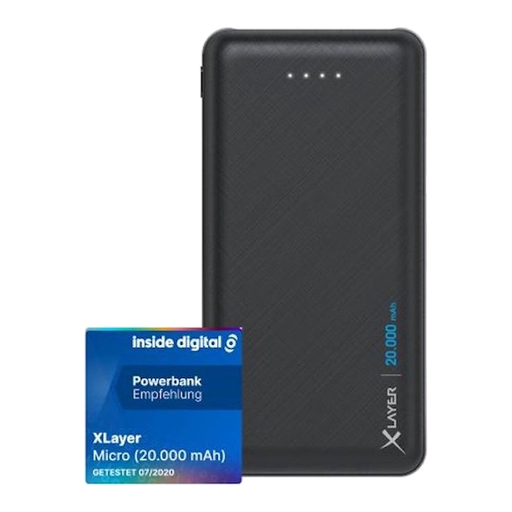
Why it suits this profile: If you mainly want to charge devices while you’re out and about and do not yet need a jump starter, this compact power bank is a simple addition for the car, work and trips.
The capacity and connections are clearly specified. However, note that this is a USB power bank, not a car emergency jump starter or compressor.
20,000 mAh, two USB-A outputs and a USB-C input; suitable for smartphones, tablets and other USB devices.
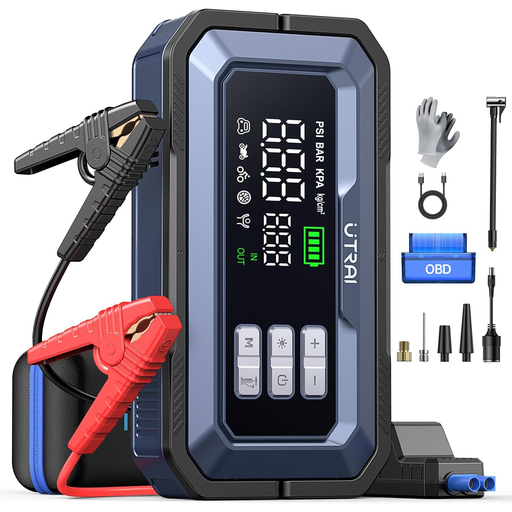
Why it suits this profile: This multifunctional jump starter combines starting, inflating, lighting, fault-code reading and power delivery for 12V accessories in one portable device.
The product specifications list the starting current, peak current, maximum pressure, charging ports and protection features separately. This allows you to compare functions rather than looking only at 7000A.
According to UTRAI: suitable for 12V petrol cars, diesel vehicles up to 14 litres and hybrids; 150 PSI compressor, 160W DC output, OBD2 adapter and 2,000-lumen LED light.
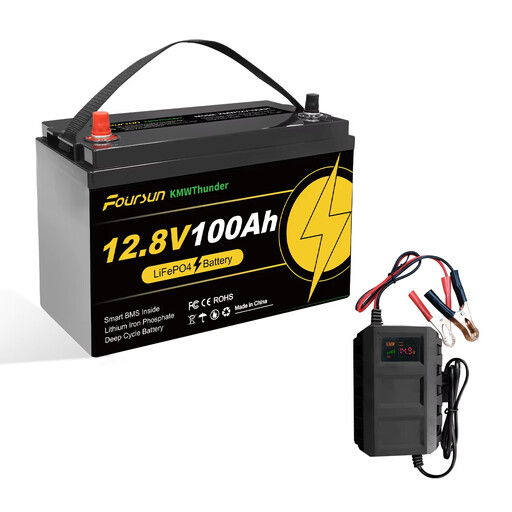
Why it suits this profile: For motorhome and outdoor enthusiasts looking for long-lasting 12V energy storage, this is a separate battery solution to complement a portable jump starter.
Its intended use is clearly defined: this is a LiFePO4 storage battery, not a jump booster with a compressor. That means you won’t buy the wrong all-in-one product.
12V and 100Ah with stated energy of 1280 Wh; built-in BMS protection and IP67 rating according to the product description.
We’ve put together a complete, up-to-date list of products that fully meet these strict selection criteria and the applicable European safety regulations.
Store a jump starter in a dry place, away from direct sunlight and preferably not permanently in a hot car. Check the charge before a long journey or holiday, for example.
No. Check the specified engine size, voltage and starting current. Even a model that the manufacturer says is suitable for diesel engines up to 14 litres may still depend on the battery condition, temperature and connections in practice.
Its lifespan depends on charging cycles, storage temperature and use. Recharge the internal battery regularly, even when you are not using the device. Stop using it if you notice swelling, leakage, damage or unusual heat.
Yes, the internal battery slowly loses charge and needs to be topped up occasionally. Costs are generally limited to recharging via USB-C or a suitable adapter. A fully charged device is particularly important when you unexpectedly need it as a car emergency jump starter.
