
Host making a large pot of soup
You want to make enough split pea soup in one go. When using ingredients that foam, the usable fill capacity matters more than the number of litres stated on the box.


Start with your recipe and the number of guests: a multicooker’s stated capacity isn’t automatically the amount of split pea soup you can safely pressure cook. A pressure function may be useful if you need the soup ready on the day, while a slower cooking method may suit you if you’re cooking ahead. Check the manual for each model’s fill limits, pressure release and valve cleaning instructions.
You want to make enough split pea soup in one go. When using ingredients that foam, the usable fill capacity matters more than the number of litres stated on the box.
You may be looking for a pressure function, but you’ll also need to allow time for preparation and safely releasing the pressure.
You’d rather make the soup in advance, taking into account the cooking method, chilling time and when you plan to serve it.
For a large pot of split pea soup, the fill limit for the exact model matters more than the number of litres on the packaging. You should also choose a cooking setting that fits your serving time and plans.
| What matters | What to look for when buying | Who it matters most to |
|---|---|---|
| Usable capacity | Add up the ingredients and liquid, then compare the total with the fill limit in the manual for the exact model. | I’d ideally like to make one pot of soup for my guests, so I check how much the manual says will fit. Around 31% of consumers prioritise the usable batch size. |
| Cooking and serving time | Check that the model has the cooking settings you want and see how the manual explains releasing the pressure. | If the soup needs to be ready on the day, I also need to allow time for pressure to build and release. Around 31% of consumers prioritise having food ready in time to serve. |
| Foam and pressure | Read the model-specific instructions on ingredients that foam, maximum fill levels, venting and valve cleaning. | I want to check in advance that the instructions are clear and practical for my recipe. Around 23% of consumers prioritise pressure safety. |
| Cleaning and aftercare | Check the cleaning instructions and make sure you know which parts and replacement parts fit the exact model. | After dinner, I want to know how to clean the pot and its parts, and how to store leftovers. Around 15% of consumers prioritise maintenance and aftercare. |
Ingredients that foam or expand can limit how much you can safely put in the pot. As a result, one batch may be smaller than you’d expect from the capacity shown on the packaging.
Before counting on making the soup in one go, compare your full recipe with the fill limit for the exact model.
A general claim doesn’t tell you how long your recipe will take, including preparation and the time needed for pressure to build and release.
Plan around a suitable recipe and the appliance instructions, not a general speed-up claim.
Cooking ahead also means planning how to store the soup. The Netherlands Nutrition Centre advises putting cooked leftovers in the fridge, covered and cooled, within two hours.
Make room in the fridge before you start cooking and decide how to portion the soup for storage.
The Duo 7,6 L is a pressure multicooker with a soup setting; the brand also offers Duo models with a smaller stated capacity.
The Philips 3000 Series HD2823/80 is a pressure multicooker for which Philips lists a stated capacity of 8 L and automatic pressure release.
According to Tefal, the Turbo Cuisine CY7548 combines pressure cooking and slow cooking settings to suit different cooking plans.
This Joybuy selection includes multicookers and pressure cookers with a pressure function. For split pea soup, check each model’s maximum fill level and instructions.
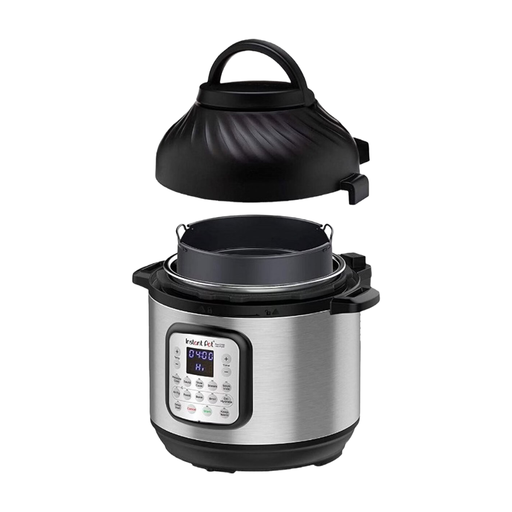 Image unavailable
An option for comparing pressure cooking and slower cooking in one appliance. The stated capacity doesn’t confirm how much split pea soup will safely fit in one batch.
7,6 L; pressure cooking, slow cooking, steaming and keep-warm functions; two lids.
 Image unavailable
The listed soup and bean programmes may be useful if you’re comparing the available settings. For split pea soup, follow this model’s fill and pressure instructions.
7,6 L; 12 presets, including Soup/Broth and Bean/Chili; keep-warm function and delayed start of up to 24 hours.
 Image unavailable
An option if you want to compare a slow cooking setting as well as pressure cooking. Its stated capacity is smaller than that of the 7,6 L models in this selection.
6 L; 1000 W; 14 cooking functions; removable inner pot and keep-warm function.
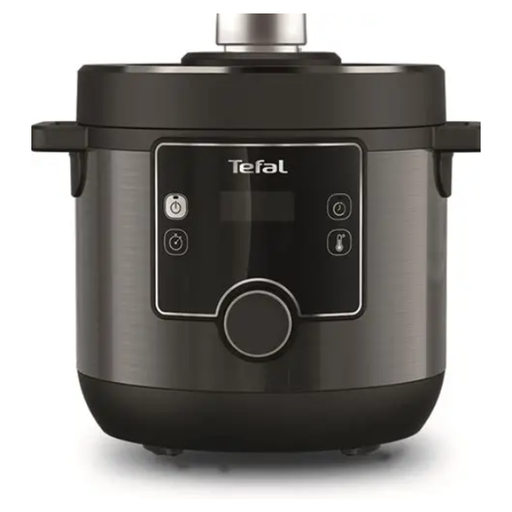 Image unavailable
An option for comparing pressure cooking and slow cooking. Check the manual for safe fill levels and instructions for cooking soup that foams.
6 L; 15 functions, including pressure cooking, slow cooking and a soup maker function; digital controls and keep-warm function.
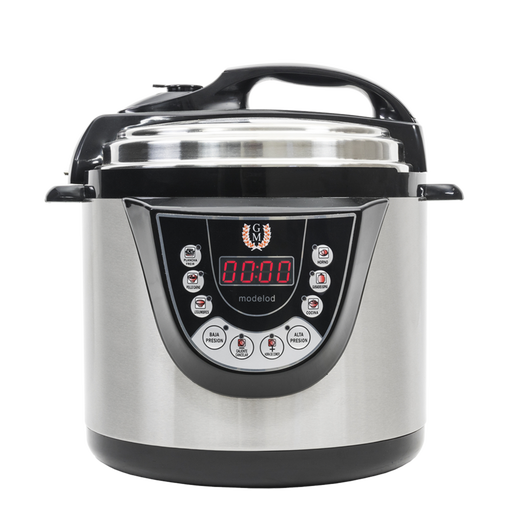 Image unavailable
The product name states 6 L, while the description gives a usable capacity of 5 L. Compare this with your recipe and the fill instructions before planning a batch for guests.
9 cooking menus; two pressure levels; timer.
Not without checking the manual for the exact model. The Instant Pot Duo manual specifies a maximum of half a pot for ingredients that expand; another Instant Pot manual specifically warns about foaming split pea soup. Don’t automatically apply this limit to other models.
Don’t force the lid open. The Duo manual says you should only open it once the internal pressure has been fully released. Follow your model’s instructions for releasing pressure and cleaning the valve, especially when making soup that foams.
The Netherlands Nutrition Centre advises putting cooked leftovers in the fridge, covered and cooled, within two hours; the recommended fridge temperature is 4 °C. If needed, divide a large quantity between suitable containers to help it cool.
For electrical equipment covered by the applicable EU product rules, the required CE marking is a condition of compliance; it doesn’t prove that a specific appliance is suitable for your recipe. According to the Dutch government, you’re entitled to a product that works properly in the Netherlands. There’s no fixed statutory warranty period, and the seller is your point of contact if something goes wrong.