
Host catering for a crowd
Wants to make as much of the stew as possible in one go, so compares the recipe quantity with the permitted fill level rather than relying only on the number of litres stated on the packaging.


Choose a multicooker based on how much stew you really want to make and how much time you have: the stated pot capacity is not automatically the permitted fill level for pressure cooking. Pressure cooking can suit a tight schedule, while slow cooking or preparing the dish in advance gives you more flexibility. The Netherlands Food and Consumer Product Safety Authority states that CE marking is mandatory for electrical products, so check the marking and product documentation for the exact version.
Wants to make as much of the stew as possible in one go, so compares the recipe quantity with the permitted fill level rather than relying only on the number of litres stated on the packaging.
Wants to cook quickly and brown the ingredients beforehand, while also allowing time for heating up, building pressure and releasing pressure.
Wants to prepare the stew in advance, or let it cook slowly on the day, and is looking for a suitable way to store and reheat the dish safely.
Start with the quantity you need and your schedule; features and controls only help if the pot suits your recipe.
| What to consider | What to look for when buying | Who is this important for? |
|---|---|---|
| Usable pot capacity | Compare the quantities of meat, vegetables and liquid with the fill markings and manual for the exact model. | If I want to make stew for all my guests in one go, I check the permitted fill level rather than looking only at the number of litres on the label. Around 36% of consumers give the batch size they need top priority. |
| Total cooking time | Check whether the model can both brown ingredients and pressure cook, and allow time for every step, not just the set cooking time. | When I have little time on the evening itself, I want to know how long the whole recipe takes, including building and releasing pressure. Around 29% of consumers prioritise saving time on the day. |
| Cooking in advance | See whether slow cooking or keeping food warm suits your schedule; the keep-warm function does not replace advice on storing leftovers. | If I want to make the stew in advance, I look for gentle cooking and guidance on cooling and reheating it safely. Around 21% of consumers give cooking ahead top priority. |
| Controls and cleaning | Compare the controls and check whether each part is suitable for handwashing or dishwasher use. | When I want an easy clean-up after dinner, I want to know in advance how to clean the pot and accessories. Around 14% of consumers put ease of use and maintenance first. |
The stated pot capacity does not tell you how much you can safely fill it when pressure cooking. A smaller usable batch may mean cooking in several rounds.
Work out the quantity for your recipe and check the fill level and instructions for the exact model before choosing.
Browning, building pressure, releasing pressure and finishing the sauce are all steps in addition to the set cooking time. A tight schedule can therefore become a problem on the evening of your dinner party.
Plan the timings for the full recipe in advance and follow the manual’s instructions for releasing pressure.
A keep-warm function does not replace advice on cooling, refrigerating and reheating the stew if you are saving it for another day.
If you cook ahead, follow the Dutch Nutrition Centre’s advice on storing and reheating food.
Philips describes 3000 Series multicookers with capacities of 6 l (HD2616/70) and 8 l (HD2823/80).
According to Instant Pot, the 7.1 l Classic XL combines pressure cooking, sautéing, slow cooking and keeping food warm.
According to SharkNinja, the Foodi Max OL750EU combines pressure cooking with functions including air frying.
Tefal lists pressure cooking, slow cooking and stir-frying for the Turbo Cuisine CY7548, with dial controls.
These multicookers are designed for pressure cooking, slow cooking or both, making them suitable for stews. The Netherlands Food and Consumer Product Safety Authority outlines the relevant safety requirements and mandatory CE marking for electrical products; check the marking and documentation for the exact version.
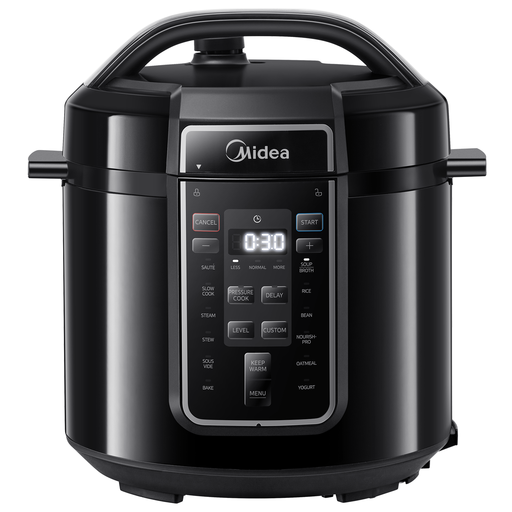 Image unavailable
The listed pressure-cooking, stewing and slow-cooking functions offer different ways to prepare a stew.
The product name states a capacity of 6 l, 1000 W and a stainless steel inner pot. The description lists 14 cooking functions and automatic keep-warm.
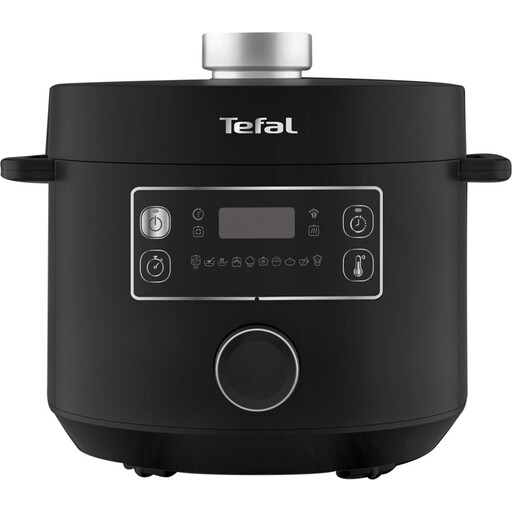 Image unavailable
The listed pressure-cooking, slow-cooking and stir-frying functions offer options for different stages of making a stew.
The product information states a capacity of 5 l, ten automatic programmes and a keep-warm function. Tefal describes the controls as a dial.
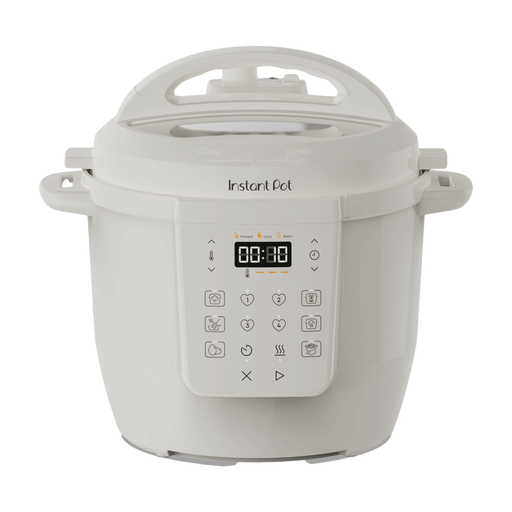 Image unavailable
Pressure cooking, slow cooking and sautéing let you choose between cooking under pressure, cooking slowly and browning ingredients.
The product information states a capacity of 5.7 l, a stainless steel cooking pot and digital controls with programmes.
 Image unavailable
The listed pressure-cooking, stewing, slow-cooking and sautéing functions suit different stages of preparing a stew.
The product name states a capacity of 7.6 l and 12 programmes. The product information also mentions a delayed start and automatic keep-warm.
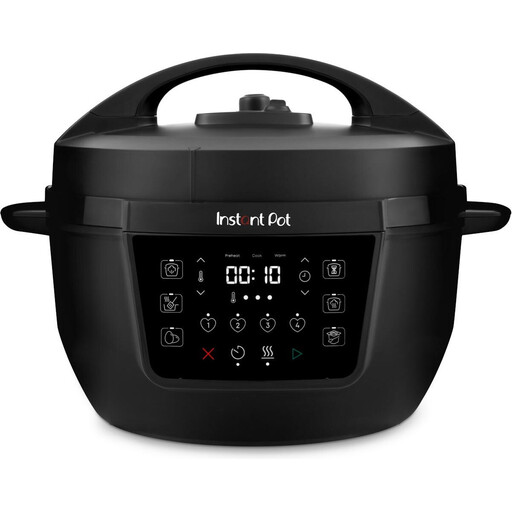 Image unavailable
The listed pressure-cooking, sautéing and slow-cooking functions offer different ways to prepare a stew.
The product information states a capacity of 7.1 l and a wide stainless steel inner pot. It also mentions a glass lid for slow cooking.
First work out the quantity your recipe requires, then check the fill markings and manual for the exact model, especially if you’re pressure cooking. A capacity such as 7.1 or 8 l is the nominal pot capacity, not automatically the permitted working fill level.
The Dutch Nutrition Centre advises cooling leftovers within two hours, storing them covered at 4 °C and eating refrigerated leftovers within two days. When reheating, heat them until piping hot all the way through and stir well.
The Netherlands Food and Consumer Product Safety Authority states that CE marking is mandatory for electrical products and outlines the relevant electrical safety requirements. Check the marking and product documentation for the exact version; a brand name or product listing alone does not prove that the requirements have been met.
According to the Dutch government, the Netherlands has no fixed statutory guarantee period. If a product is faulty, the retailer is your first point of contact for a suitable solution; any manufacturer’s guarantee offered does not replace your statutory rights.