
Home cooks short on worktop space
You want to make small batches of stock and need to allow for the cooker, its lid and room to operate it on a narrow worktop.


For making vegetable stock in a small kitchen, a compact cooker is a sensible option if you usually make small batches. However, the stated pot capacity doesn’t tell you how much stock you can actually make. Choose pressure cooking only if you’re comfortable with that method and operating the pressure release safely; for a gentle simmer, a suitable low or adjustable cooking setting is more relevant. Measure the space available and check the filling instructions and CE marking for the exact model before you buy.
You want to make small batches of stock and need to allow for the cooker, its lid and room to operate it on a narrow worktop.
You want to weigh up whether pressure cooking or a gentle simmer better suits the way you cook, without mistaking claims about speed for proven results when making vegetable stock.
You’d rather make more stock in one go and want to take filling limits, rapid cooling and chilled storage into account.
Start by checking the space available and how much stock you want to end up with. Then compare the cooking method and instructions for the exact model.
| What to consider | What should you look for? | Who is this important for? |
|---|---|---|
| Worktop space | Measure the available width and depth, as well as the space above the cooker. Compare these with the external dimensions and instructions for the exact model. | If I have a narrow worktop, I also want to leave enough room to operate the cooker. Around 36% of consumers put available worktop space first. |
| Control over the cooking method | Check whether there’s a low or adjustable cooking setting for a gentle simmer; separately, consider whether you also want to use pressure cooking. | If I want to fry vegetables first and then let them simmer gently, I look for a suitable cooking setting rather than just a soup button. Around 29% of consumers prioritise their preferred cooking method. |
| Yield per batch | Work out how much stock you want to have after straining, then compare this with the model’s fill markings and pressure-cooking instructions. | If I’d rather make more stock at once, I look at the usable filling capacity, not just the number of litres in the product name. Around 21% of consumers prioritise yield. |
| Cleaning and aftercare | Check how to clean the pot, lid and valve on the exact model. Also find out who to contact if the cooker develops a fault. | If I make stock regularly, I want to know how to clean the parts and who to contact if something goes wrong. Around 14% of consumers start by looking at maintenance and aftercare. |
Vegetables and other ingredients take up space. Pressure cooking may also come with filling limits.
Choose based on how much stock you want after straining, and follow the fill markings and instructions for the exact model.
If the usable capacity is too small, you may need to cook several batches.
A cooker may have a soup setting without producing the same result as a gentle simmer.
Compare the cooking methods with your recipe. If you want to fry ingredients first and then simmer them gently, check for a suitable adjustable or low setting.
A pot’s capacity and features won’t tell you whether there’s enough room to position it safely, open it and operate it.
Measure your worktop and allow space to open and use the exact cooker before you decide.
A large cooker, or a lid and accessories that need to be stored separately, can take up valuable worktop or storage space.
The Duo 3L Mini is a compact option to compare for smaller portions and dishes such as soup, stock and sautéed ingredients.
According to Tefal, the Turbo Cuisine CY7548 combines pressure cooking and slow cooking; the RK8121 is an alternative with manually adjustable temperature and time.
The Philips 3000 Series HD2616/70 is an option to compare if a larger stated capacity and automatic pressure release are important to you.
These product picks are electric cooking pots and slow cookers for smaller portions of soup or stock; they aren’t a substitute for a pressure-cooking multicooker. Measure the space available and check the CE marking and instructions for the specific model.
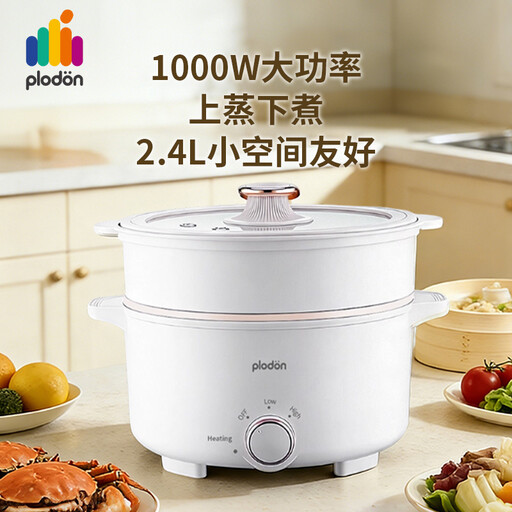 Image not available
An option to compare if you’re looking for a cooking pot for soup and gentle simmering.
The product name lists a 2.4L capacity, 1000W, a non-stick coating and a steamer.
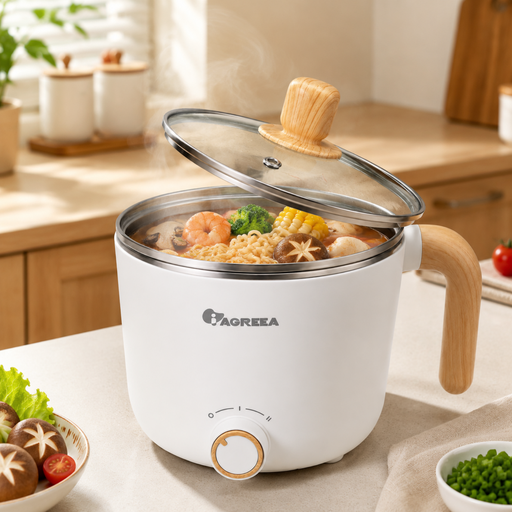 Image not available
A small capacity may suit you if you want to make a limited amount of soup at a time.
The product name lists a stainless steel inner pot and 300W and 600W power settings.
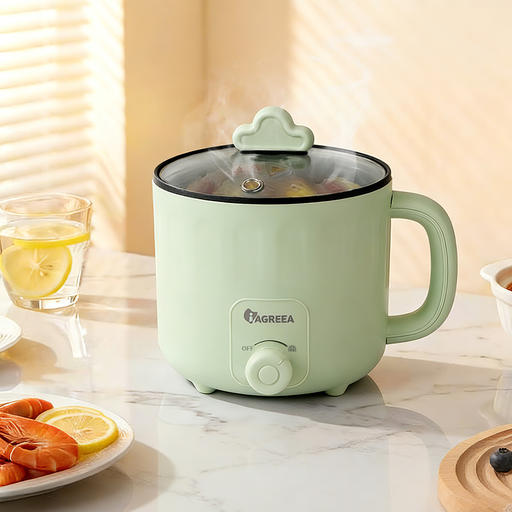 Image not available
An option to compare if you’re looking for a small pot for soup, simmering or stewing.
The product name lists a 1.6L capacity, a non-stick coating and boil-dry protection.
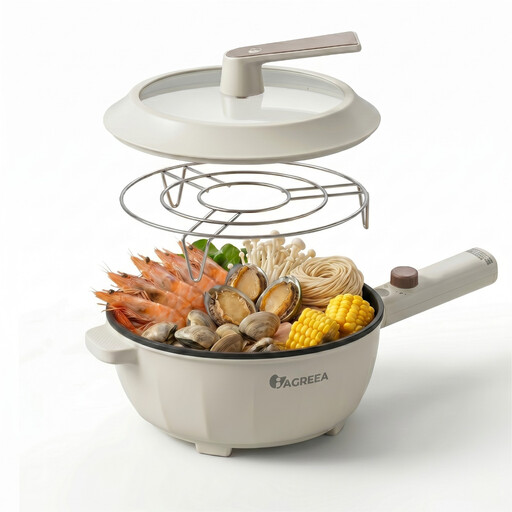 Image not available
Its listed uses include soup, sautéing and slow cooking, making it worth comparing if you want to try different cooking methods.
The product name lists a 2.3L capacity, 1600W, a non-stick coating and adjustable power.
 Image not available
A slow cooker to compare if you want to simmer stock gently and are also considering steaming.
The product name lists a 2.6L capacity, 1000W and three manually adjustable heat settings.
No, not for the method described by the Netherlands Nutrition Centre: you fry the vegetables first, then cook them with water for an hour on the lowest setting. If you want to follow this method, check whether the cooker has a suitable setting; pressure cooking is a different way of preparing stock.
Not according to the Instant Brands Duo manual: when pressure cooking, it limits filling to two-thirds of the pot’s capacity, or half for ingredients that expand, such as dried vegetables. Always follow the fill markings and manual for the model you’re using.
Cool the stock quickly and store it in a tightly sealed container; put it in the fridge or freezer within two hours. The Netherlands Nutrition Centre advises keeping your fridge at 4 °C and says stock will keep for up to two days in the fridge or three months in the freezer.
No. ACM ConsuWijzer distinguishes between a manufacturer’s or seller’s guarantee and your statutory rights. If a product breaks sooner than you could reasonably expect under normal use, the seller is responsible for providing an appropriate solution free of charge.
The NVWA states that CE marking is compulsory for electrical consumer products covered by the relevant rules. A product title or plug doesn’t prove that the specific model carries the marking; check this for the model you want to buy.