
Cook with limited worktop space
You want to make small batches of stock and use the appliance for other dishes too. Instant Pot Netherlands lists a 3.8 l capacity for the Classic Mini; also measure the space where you plan to put it.


For small batches of vegetable stock, a compact multicooker with a pressure-cooking setting could be a good fit, provided its capacity, safe fill limit and steam-release clearance work for your kitchen. If you want to make more stock at a time, you can compare larger models, but a larger pot doesn’t automatically mean the appliance will take up less space. Before buying, check the manual and the CE marking on the specific model; the NVWA says this marking is compulsory for electrical consumer products.
You want to make small batches of stock and use the appliance for other dishes too. Instant Pot Netherlands lists a 3.8 l capacity for the Classic Mini; also measure the space where you plan to put it.
You want to be able to sauté vegetables and then pressure cook them. Compare the features of the exact model: Instant Pot Netherlands lists these functions for the Classic Mini, while Tefal lists ten automatic programmes and one-dial control for the Turbo Cuisine CY7548.
You want to make more stock in each batch and save portions for later. Philips lists a 6 l capacity for the HD2616/70; also check that you have enough space for the appliance and steam release.
| What to consider | What should you check? | Who is this important for? |
|---|---|---|
| Space and pot capacity | Measure your worktop, storage space and the clearance above the lid. Compare the pot capacity with the pressure-cooking fill mark in the manual. | If I have limited space, I want to know whether the appliance will fit and hold enough for my portion. For around 36% of consumers, the space an appliance takes up is the top priority. |
| Cooking time and method | Check whether the exact model offers pressure cooking, sautéing or slow cooking, and how pressure is released. | On busy days, I want the option of a quicker cooking method; slow cooking, on the other hand, takes a bit of planning. Cooking time is the top priority for around 29% of consumers. |
| Quantity and storage | Decide how much stock you want to make at a time and check the permitted fill limit for your model. Also consider the space available in your fridge or freezer. | If I want to freeze several portions, having enough usable capacity matters more than simply having a small pot. The amount made per batch is the top priority for around 21% of consumers. The Netherlands Nutrition Centre advises keeping stock in the fridge for no more than 2 days or in the freezer for up to 3 months. |
| Controls and cleaning | Look at the controls and check which parts are dishwasher-safe; also read how to clean the lid and seal. | I don’t want complicated controls or cleaning after cooking. For around 14% of consumers, ease of use and maintenance is the top priority. |
The stated capacity of the pot doesn’t tell you how much you can safely cook under pressure.
Before cooking, check the fill mark and manual for your exact model, particularly when vegetables and liquid take up a lot of space together.
Tefal describes an energy test using potatoes. Philips describes measurements using other dishes; these results don’t measure how your vegetable stock will perform.
Compare the features and operation of the models, but don’t treat claims about speed or savings as guaranteed results for stock.
According to ACM ConsuWijzer, your statutory rights apply even if you haven’t bought an additional warranty service.
First, check the existing terms and conditions from the retailer and manufacturer. Then compare what an optional service offers on top.
The Classic Mini is a compact option to consider if you want pressure cooking, sautéing and slow cooking in one appliance.
The Turbo Cuisine CY7548 is worth comparing if you want pressure cooking and one-dial control.
The 3000 Series HD2616/70 is a larger option to compare if greater pot capacity and automatic pressure release are important to you.
This selection includes appliances for small quantities of soup or stock: as well as a multicooker, there are slow cookers and electric cooking pots. These categories don’t automatically offer the same cooking settings, so check whether each model suits your preferred cooking method.
 Image unavailable
A slow cooker worth comparing if you want to simmer stock slowly in a small pot.
The product name lists 1000W, 2.6L, three manual heat settings and a non-stick pot. High heat is not recommended, to protect the non-stick coating.
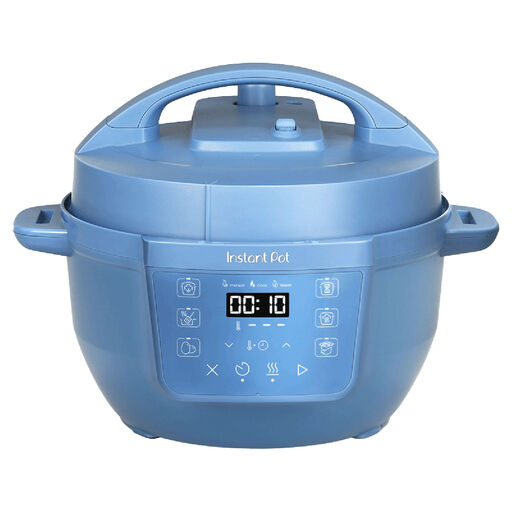 Image unavailable
A compact option to compare if you want to make small portions and are looking for pressure cooking, slow cooking and sautéing.
The product name lists 3.8L, 7-in-1, slow cooking and steaming. When pressure cooking, follow the fill limits and the instructions for releasing pressure and opening the lid.
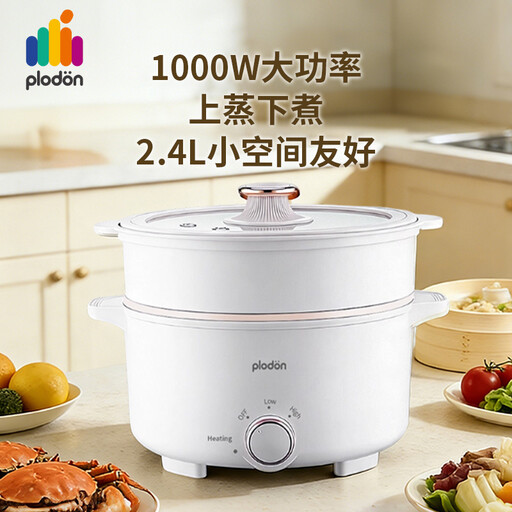 Image unavailable
A small electric cooking pot to compare if you want to make soup or stock and don’t need a specific multicooker setting.
The product name lists 1000W, 2.4L, a non-stick coating, a steamer and two power settings.
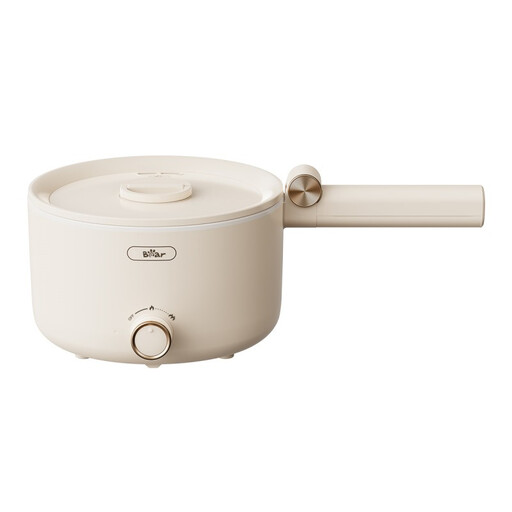 Image unavailable
A small electric cooking pot to compare if you want to make a small portion of soup or stock.
The product name lists 1.6L. Check which cooking settings and cleaning instructions apply to this model.
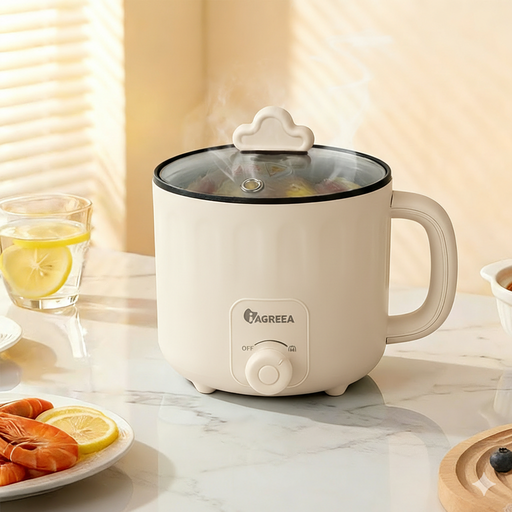 Image unavailable
A small electric cooking pot to compare if you want to simmer stock in a kitchen with limited space.
The product name lists 1.6L, 600W, a non-stick coating and automatic shut-off.
No, not necessarily: check which cooking methods and manual settings the exact model offers. Instant Pot lists pressure cooking for the Classic Mini; Philips lists a soup setting and manual settings for the HD2616/70.
Follow the manual for the model you buy and keep the area around the steam outlet clear. The Instant Pot manual for a 5,7l model specifies a stable, level and non-combustible surface; check the positioning instructions for your own model.
The Netherlands Nutrition Centre advises keeping stock in the fridge for no more than 2 days or in the freezer for up to 3 months. Cool leftovers and cover and refrigerate them within 2 hours of cooking; the Netherlands Nutrition Centre recommends keeping your fridge at 4 °C.
No, you don’t need to buy one to have statutory rights: according to ACM ConsuWijzer, these apply even if you haven’t bought an extra warranty or the manufacturer’s warranty has expired. If a product doesn’t work properly under normal use, the retailer is responsible for providing an appropriate free solution; there isn’t simply a fixed statutory two-year period for every appliance.
Yes, the NVWA says CE marking is compulsory for electrical consumer products. Check the marking on the specific model; a brand name alone doesn’t confirm that it has one.