
Small-batch cook
You occasionally make stock for yourself and want an appliance that fits in a small kitchen. As well as checking the capacity, look at the maximum fill level for pressure cooking.


Start by thinking about how much stock you usually make and where you can store the appliance and the cooled stock. A compact multicooker with a pressure function may suit small portions and limited cupboard space; if you’re making several portions, usable capacity matters more than the stated capacity alone. If you don’t need a pressure function, consider models that can cook gently or simmer.
You occasionally make stock for yourself and want an appliance that fits in a small kitchen. As well as checking the capacity, look at the maximum fill level for pressure cooking.
You make several portions at once and have space to cool and store the stock after cooking. Compare the usable capacity, not just the number of litres stated on the packaging.
You want to simmer stock gently and would rather not use a pressure programme. Check that the cooking or slow-cooking settings suit the way you cook, and consider how much space the pot takes up.
First decide how much stock you make at a time and how much space you have. Then choose whether you want to cook under pressure or more gently. Programmes and extra features matter most if you’ll also use them for other meals.
| What to consider | What to look for | Who it matters to |
|---|---|---|
| Size and storage space | Compare the appliance’s external dimensions and storage requirements with your usual portion size; the stated capacity isn’t the same as the usable capacity for pressure cooking. | If I’m cooking in a small kitchen, I want a pot that’s easy to store. Around 33% of consumers say space is their top priority when choosing. |
| Usable capacity | Check the fill markings or model manual, and consider whether you have enough fridge or freezer space for extra portions. | If I want to batch cook, the pot needs to make enough stock per cooking session, and I need somewhere to store those portions. Around 27% of consumers put quantity first. |
| Pressure or gentle cooking | Check which settings the exact model offers and follow the instructions for filling and releasing pressure. | If I prefer to simmer stock gently or want to use a pressure programme, I want the cooking method to fit my routine. Around 20% of consumers start with this choice. |
| Controls and features | Compare the programmes you’ll actually use, the controls and how easy the appliance is to clean; also check whether suitable replacement parts are available. | If I’m looking for a simple appliance, I don’t want to pay for features I rarely use. Around 20% of consumers prioritise simplicity and the cost of useful features. |
Instant Pot’s manual limits how full the pot can be for pressure cooking. The space available for ingredients and liquid is therefore less than the stated capacity.
Before buying, check the fill markings and manual for the exact version, and compare them with your usual portion size.
If the usable capacity is too small, you may need to cook in an extra batch; a larger pot takes up more storage space.
The Russell Hobbs Good to Go 28270-56 lists cooking and slow cooking among its functions; the Instant Pot, Tefal and Philips models mentioned have a pressure function.
Choose based on the exact model code and cooking settings, not just the multicooker category label.
Tefal describes an energy test from 2022 using potatoes. That test doesn’t show how much energy it takes to make vegetable stock.
Compare the complete cooking process, including heating and pressure release, and don’t treat claims about a different dish as a measurement for your stock.
The Duo 3L Mini is a compact pressure multicooker worth considering if you make small portions and want a choice of cooking settings.
The Turbo Cuisine CY7548 is worth comparing if you want pressure and slow-cooking settings as well as the option to make stock.
The HD2633/80 is a larger pressure multicooker worth comparing if you regularly make several portions.
The Good to Go 28270-56 is worth considering if you want to cook or slow cook without assuming it has a pressure programme.
This Joybuy selection includes compact electric cooking pots for soup and simmering, as well as a multicooker with a pressure function. Check that each model’s cooking method, capacity and storage requirements suit the way you’ll use it. For the specific appliance, also check the applicable safety information and CE marking; a product page alone doesn’t confirm that an individual item meets the requirements.
 No image available
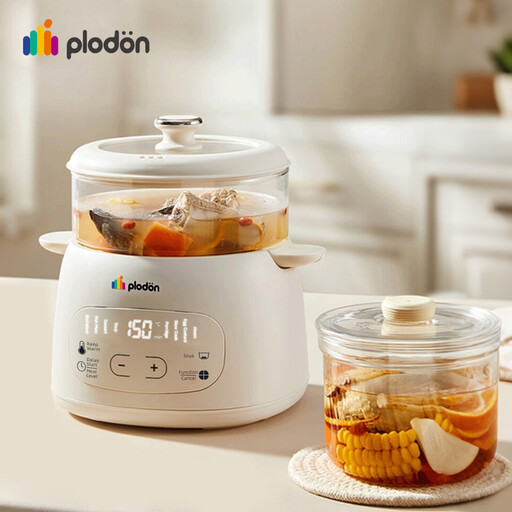
The product information lists soup and slow-cooking programmes for making stock gently.
The version described has a capacity of 2 L, five heat settings and eight programmes. The pot and heating plate can get hot; let the appliance cool before removing any parts for cleaning.
 No image available
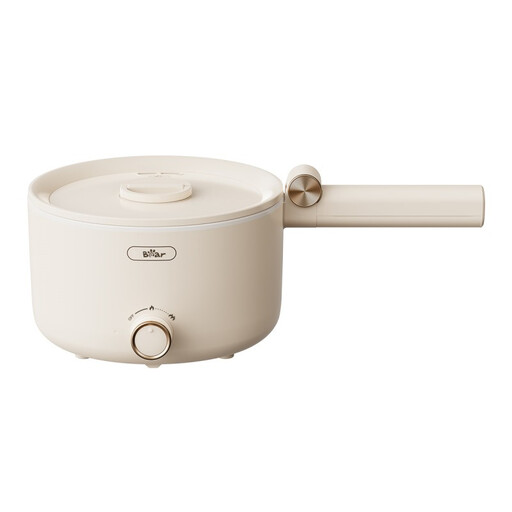
The product information lists soup-making and stewing for small portions.
It has a capacity of 1.6 L, and the controls described offer two power settings. The product information says it is suitable for one or two people.
 No image available
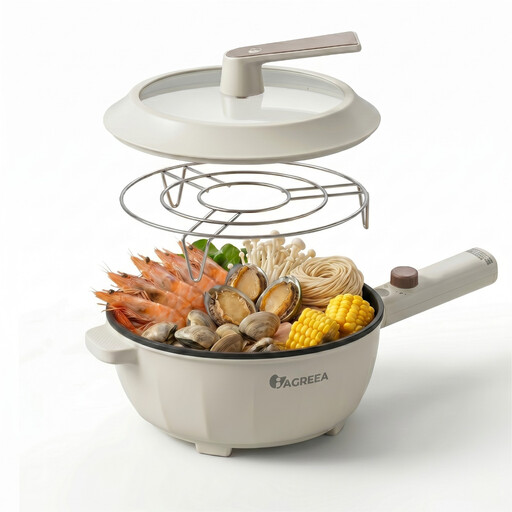
The product information lists soup-making and slow cooking for preparing food in a compact cooking pot.
It has a capacity of 2.3 L, with the power settings described as 600 W, 1000 W and 1600 W. The information says it is suitable for one to three people.
 No image available
The product information lists soup-making, stewing and a low setting for gentle cooking.
It has a capacity of 2.6 L, and the controls described offer three manual power settings. The product information advises against frying at high heat to protect the non-stick coating.
 No image available
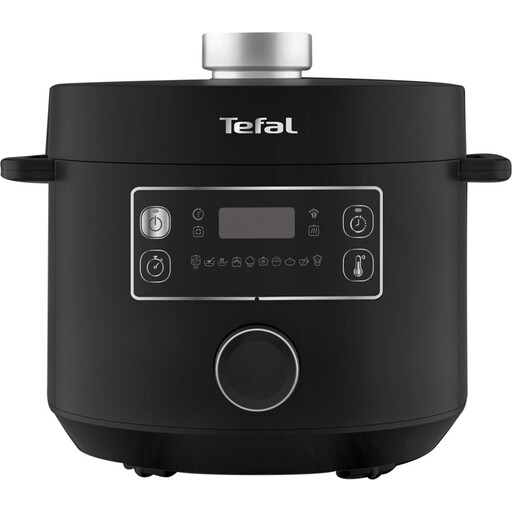
The product information lists soup-making and a pressure function if you want to choose that cooking method.
It has a capacity of 5 L; the version described has ten automatic programmes and a manual function. Don’t open the lid while the appliance is under pressure, and follow the instructions for releasing pressure.
No, not with the Instant Pot Duo covered by the manual consulted. When pressure cooking, don’t fill the pot beyond two-thirds, or beyond half full if the food expands during cooking. For another model, follow its own manual and fill markings.
Only open the lid once all the pressure inside has been released, and don’t force it open. The Instant Pot Duo manufacturer gives this instruction for that model; follow the pressure-release instructions for your exact appliance and beware of hot steam.
Let the stock cool, then cover and refrigerate or freeze it within two hours, as advised by the Netherlands Nutrition Centre. Set your fridge to 4 °C. The Netherlands Nutrition Centre recommends keeping stock for two days in the fridge or three months in the freezer.
No. According to the Dutch government, there is no fixed statutory guarantee period in the Netherlands. You’re entitled to a product that works properly, and if a product is faulty you can contact the seller; a manufacturer’s guarantee is in addition to your statutory rights.
Electrical appliances covered by Directive 2014/35/EU must meet the applicable safety and conformity requirements, including CE marking and clear safety information. Check this information for the specific appliance; a brand name or product page alone doesn’t prove that an individual item meets the requirements.