
Cooking for a large group
You want to keep the number of cooking batches to a minimum. So check not only the stated pot capacity, but also the permitted fill level for pressure cooking. The Instant Pot manual gives model-specific limits.


Start by working out how much stock you need, then compare it with the permitted fill level of your chosen model: the stated pot capacity is not the same as the amount of finished stock you can make. A multicooker with a pressure function lets you choose between pressure cooking and slow cooking. One without a pressure function may be enough if you can start in advance and prefer a gentle cook. Also plan how you’ll serve the stock and cool any leftovers: the Netherlands Nutrition Centre advises covering leftovers and putting them in the fridge or freezer within 2 hours of cooking.
You want to keep the number of cooking batches to a minimum. So check not only the stated pot capacity, but also the permitted fill level for pressure cooking. The Instant Pot manual gives model-specific limits.
You want the choice of pressure cooking or letting the stock simmer gently. The Instant Pot and Tefal models reviewed both list these cooking methods. The Russell Hobbs Good To Go is listed by Russell Hobbs as having cooking and slow-cook settings, but no pressure function.
You’re making the stock in advance, so you’ll also need to plan how to cool and store it. The Netherlands Nutrition Centre advises cooling leftovers quickly and covering them before putting them in the fridge or freezer within 2 hours of cooking.
A good fit if: you want the option of both pressure cooking and slow cooking, for example if your preparation time changes.
Bear in mind: fill limits and safe opening are part of using the appliance; follow the manual for the exact model.
A good fit if: you can start in advance and mainly want to cook or slow cook.
Bear in mind: you won’t be able to switch to pressure cooking; check which settings the model actually has.
A good fit if: you also want to use the appliance for dry cooking methods, as well as making stock.
Bear in mind: an extra air-fryer lid doesn’t add any demonstrated stock-making capacity and will need storage space.
| What to consider | What to look for when buying | Who is this important for? |
|---|---|---|
| Amount per batch | Work out how many portions you need and compare this with the fill limit for the exact model; remember to allow for the vegetables too. For pressure cooking, the Instant Pot Duo manual specifies a limit of 2/3, or 1/2 for ingredients that expand. | I want to make enough stock for all my guests in as few batches as possible. Around 33% of consumers prioritise the amount they can make per batch. |
| Cooking method | Check whether the model has both pressure-cooking and slow-cooking settings; don’t assume it does just because it’s called a multicooker. | If my preparation time might change, I want to choose between pressure cooking and a gentle simmer. Around 27% of consumers make this flexibility their top priority. |
| Serving and storage | Check whether there’s a keep-warm setting, and get containers and fridge space ready in advance. The Netherlands Nutrition Centre advises covering leftovers and putting them in the fridge or freezer within 2 hours of cooking. | If I’m making the stock ahead of time, I want to be able to manage cooling and storage properly too. Around 20% of consumers prioritise preparation and storage. |
| Extra cooking functions | Choose extra functions only if you’ll use them for other dishes too. If the model has two lids, check whether you have space to store both. | I want to use the multicooker for other dishes after the community meal too. Around 20% of consumers say versatility is their main reason for buying. |
The permitted fill level may be lower than the pot’s nominal capacity. Vegetables also take up space.
First work out how many portions you need, then check the fill limit in the manual for the exact model.
A smaller usable batch may mean more cooking rounds and extra preparation time.
A multicooker that doesn’t list a pressure function may not offer this cooking method. According to the manufacturer, the Russell Hobbs Good To Go can cook and slow cook, but doesn’t have a pressure function.
Check the full model’s specific cooking settings before making pressure cooking a requirement.
A keep-warm setting doesn’t tell you how to cool and store a large quantity of stock after the meal.
Before you start cooking, decide what you’ll store leftovers in and make sure you have enough fridge or freezer space. The Netherlands Nutrition Centre advises covering leftovers and putting them in the fridge or freezer within 2 hours of cooking.
Storing stock in advance may mean you need extra containers and enough fridge or freezer space.
The Duo 7,6L is a pressure-cooking model worth considering if you’re comparing multicookers with a larger stated pot capacity. Instant Pot also lists a separate air-fryer lid for the Duo Crisp 7,6L.
According to Russell Hobbs, the Good To Go is a 6,5 L multicooker for cooking and slow cooking; the product information doesn’t list a pressure function.
According to Tefal, the Turbo Cuisine CY7548 has pressure-cooking and slow-cooking programmes.
According to Philips, the Philips 3000 Series HD2616/70 has a stated capacity of 6 litres and automatic pressure release.
This selection includes multicookers for making vegetable stock, from models for slow cooking and sautéing to models with a pressure function and extra cooking methods. Compare the stated capacity with the permitted fill limit for the exact model.
 No image available
A good fit if you want to let stock simmer gently and sauté the vegetables first; the product title lists slow cooking, sautéing and steaming.
The product title states a capacity of 7.1L and 10 portions; this isn’t automatically the same as the amount of strained stock.
Don’t use the inner pot on a hob, induction hob or in an oven.
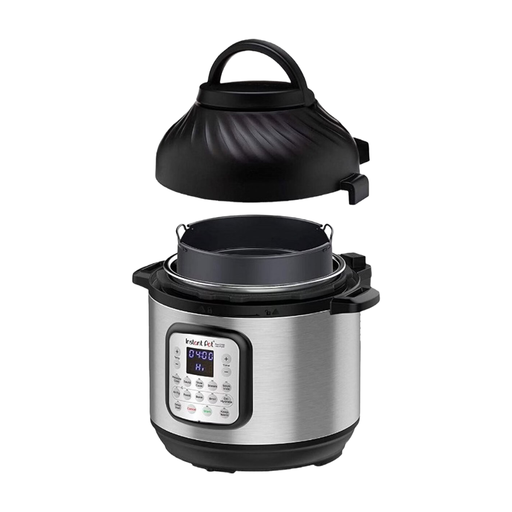 No image available
A good fit if you want to switch between pressure cooking and slow cooking for stock, and also use dry cooking methods.
The product title lists 7.6L, 11-in-1 and two lids. The extra air-frying functions don’t automatically increase the amount of stock you can make per batch.
Don’t force the pressure-cooking lid open; wait until the float valve has dropped completely.
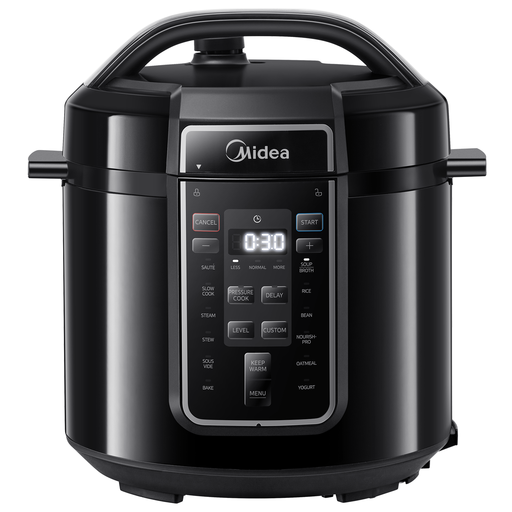 No image available
A good fit if you want to use both pressure cooking and slow cooking to make stock; the product information lists both methods.
The product title lists 6L and 1000W. Check the fill marking on this model; use the 1/2 mark for ingredients that expand.
Don’t open the lid while the appliance is under pressure.
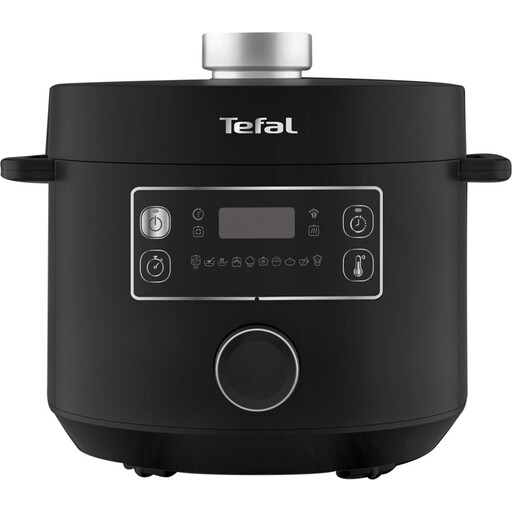 No image available
A good fit if you’re looking for a multicooker for soup or stock and want to consider a pressure function; the product information lists a soup maker and pressure function.
The product title states a capacity of 5 L. Compare this with the manual and the amount you want to make.
Don’t force the lid open while the pot is hot and under pressure; let the pressure escape first.
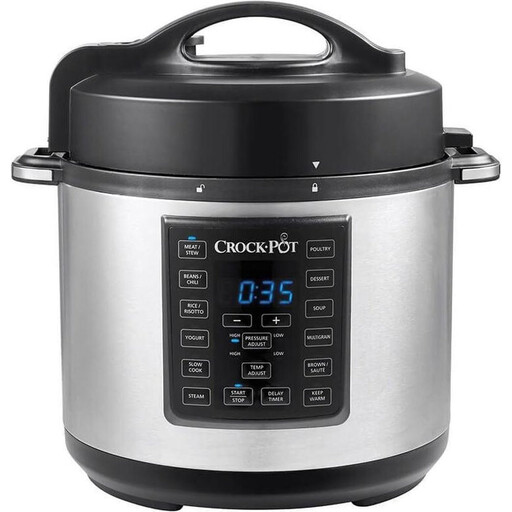 No image available
A good fit if you want the choice of pressure cooking or slow cooking for stock.
The product title lists 5.6L, 1000W and 12 programmes; the capacity isn’t the same as the amount of finished stock.
Don’t fill above the MAX mark or force the lid open while the float valve is raised.
No, you can’t assume that based on the stated pot capacity alone. According to the Instant Pot Duo manual, the pot must not be filled above 2/3 for pressure cooking, or above 1/2 when using ingredients that expand. Vegetables also take up space.
Not while the pot is still under pressure. The Instant Pot Duo manual warns you not to force the lid open, and says to wait until the internal pressure has dropped completely. If you have a different model, follow its manual.
The Netherlands Nutrition Centre advises cooling leftovers quickly, covering them and putting them in the fridge or freezer within 2 hours of cooking. So make sure you have enough fridge or freezer space and suitable containers before you start cooking.
That depends on the type of event. The NVWA sets out requirements for activities such as catering or selling food from home. Check which rules apply if you’re selling food or offering catering. Calling it a community meal isn’t enough to determine the legal requirements.