
Someone cooking one or two portions
You usually make a small amount of soup and want to know what will actually fit in the pot and which filling limits apply. The Instant Pot manual gives model-specific filling instructions for pressure cooking.


If you usually make one or a few portions of cabbage soup, choose based on the usable capacity and filling instructions for the exact model. The stated capacity doesn’t tell you how much soup you can safely cook under pressure. A pressure-cooking function is useful if you want to cook quickly too, while a cooking or simmering function without pressure may suit you better if you want to adjust things as you cook. Before you buy, check the model-specific safety information and CE marking.
You usually make a small amount of soup and want to know what will actually fit in the pot and which filling limits apply. The Instant Pot manual gives model-specific filling instructions for pressure cooking.
You want to be able to sauté and pressure-cook cabbage soup in the same appliance. Make sure you follow the filling and steam-release instructions for your chosen model.
You’d rather simmer without pressure and adjust the ingredients or flavour as you cook. In that case, a cooking or simmering function may matter more to you than a pressure-cooking setting.
| What to consider | What should you check? | Who is this important for? |
|---|---|---|
| Amount per batch | Check the usable capacity, the maximum fill level for soup and the minimum amount of liquid required for pressure cooking in the manual for the exact model. | If I usually make one or two portions, I want to know how much soup will actually fit in the pot. Around 36% of consumers prioritise getting the portion size right. |
| Pressure cooking | Check the required amount of liquid, fill markings and pressure-release steps in the manual for the exact model. | If I want to sauté ingredients first and then pressure-cook them, I check the relevant safety steps. Around 29% of consumers give pressure cooking top priority. |
| Simmering without pressure | Check whether the model has a cooking or simmering function, and which lid to use for that method. | If I want to taste the food or add ingredients while it cooks, a method that doesn’t use pressure may suit my routine better. Around 21% of consumers prioritise being able to adjust things while simmering. |
| Cleaning and leftovers | Check which parts are dishwasher-safe according to the manual and how to store leftovers safely. | If I use the pot for soup often, I want to know which parts are easy to clean and how to store leftovers. Around 14% of consumers put care and aftercare first. |
When pressure cooking, the permitted fill level may be lower than the capacity shown on the packaging. Even lower limits apply to certain ingredients that expand as they cook.
Check the fill lines and recipe instructions for the exact model before deciding how much soup to make at a time.
A listed setting alone doesn’t tell you how well a particular model slow-cooks. A Dutch product page for the Instant Pot Duo Mini warns that this model is less suitable for slow cooking.
Don’t base your decision on slow-cooking performance just because it appears in the list of functions. Also compare a model that can cook or simmer without pressure.
A two-year manufacturer’s warranty doesn’t automatically mean that your statutory rights expire afterwards. ACM ConsuWijzer explains that those rights depend on what you can reasonably expect from the product with normal use.
Check the terms of any paid service plan separately. If a product is faulty, contact the seller about a remedy under your statutory rights.
The Duo Mini 3 L is a compact option to consider if you’re looking for soup or stock programmes, sautéing and pressure cooking.
According to Tefal, the Turbo Cuisine CY7548 combines several cooking programmes, including pressure cooking, slow cooking and stir-frying.
The Good To Go 28270-56 is worth considering if cooking and simmering without pressure are important to you.
According to Philips, the Philips 3000 Series HD2616/70 has a soup setting and automatic pressure release.
This selection includes small electric cooking pots, a pressure cooker and a slow cooker for making soup. Check the capacity, permitted fill level and safety instructions for each model.
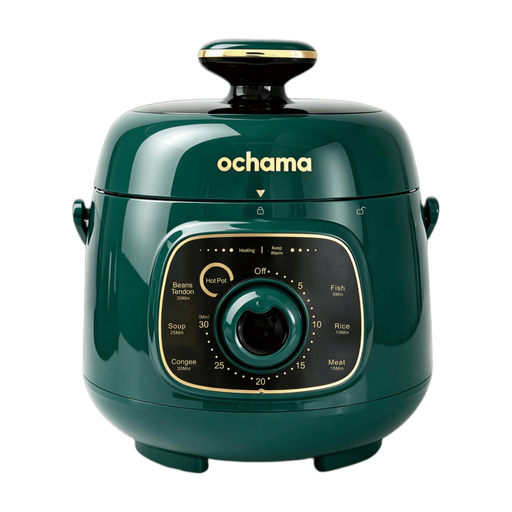 Image unavailable
A compact pressure cooker for small amounts of soup. Check the fill marking and the minimum amount of liquid required for your recipe.
1.8 L; for 1–3 people; ceramic-coated inner pot.
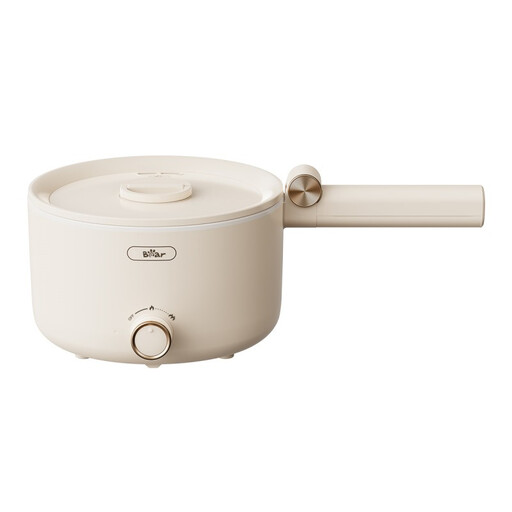 Image unavailable
An electric cooking pot for small amounts of soup. Keep the liquid between the minimum and maximum markings.
1.6 L; model DRG-C16Z1.
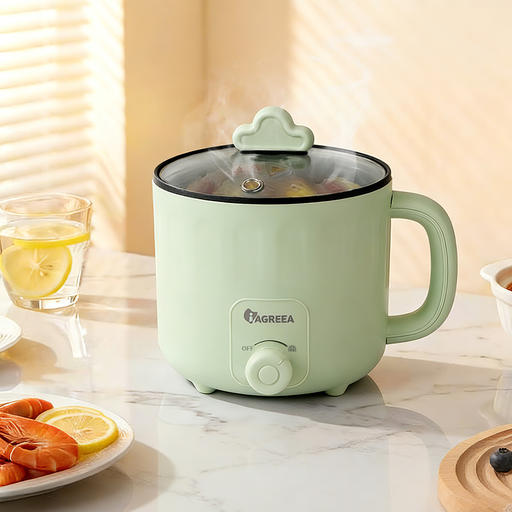 Image unavailable
A small electric cooking pot for soup or stews. Follow the stated fill limits while cooking.
1.6 L; non-stick coating.
 Image unavailable
A slow cooker for soups and stews, with heat settings you can adjust while cooking.
2.6 L; 1000 W; three manual heat settings.
The product information advises against high-temperature frying to protect the non-stick coating.
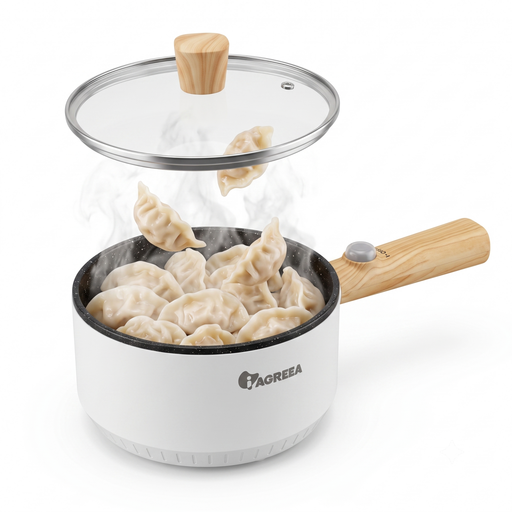 Image unavailable
A small multi-pot for making soup. The product information also mentions stir-frying.
1.2 L; 1000 W; two heat settings; glass lid.
No, not when pressure cooking in the Instant Pot Duo we reviewed. Its manual limits the fill level to two-thirds of the pot, or half full for ingredients that expand during cooking. For your small-batch recipe, also check the minimum amount of liquid required in the manual for the exact model.
Follow the model’s manual and only open the lid once all the pressure has been released. The Instant Pot manual warns never to force the lid open. Also check that the valves are clear.
The Netherlands Nutrition Centre advises covering leftovers and putting them in the fridge or freezer within two hours of cooking. When you eat the soup again, reheat it until piping hot all the way through.
No. ACM ConsuWijzer explains that statutory rights depend on what you can reasonably expect from the product with normal use. The seller is your point of contact; a two-year manufacturer’s warranty doesn’t automatically determine your statutory rights.
Yes. The Netherlands Food and Consumer Product Safety Authority states that CE marking is compulsory for electrical products. This is a marking requirement and doesn’t confirm that every individual model meets the requirements.