
Cook for one
You want a pan that’s right for making minestrone for yourself and won’t take up unnecessary worktop space. Instant Pot lists the 3 L Duo Mini and 3.8 L Classic Mini as compact options.


For a single portion of minestrone with tinned beans, a pan that suits your serving size and kitchen space is often more important than a pressure-cooking function. The Netherlands Nutrition Centre says that tinned beans only need reheating, so choose a pressure function mainly if you’ll use it for other dishes too. A larger model may suit you if you plan to make extra portions, but it will take up more space.
You want a pan that’s right for making minestrone for yourself and won’t take up unnecessary worktop space. Instant Pot lists the 3 L Duo Mini and 3.8 L Classic Mini as compact options.
You want to sauté vegetables and then make soup without using a second pan. Compare the cooking programmes available on each model.
You usually cook for yourself, but sometimes want to make extra portions to save for later. A larger stated capacity may come in handy; cool leftovers quickly and store them in a sealed container.
A good fit if: you have limited worktop space but also want to sauté and occasionally pressure cook.
The trade-off: pressure cooking isn’t needed for tinned beans. For other uses, follow the model’s filling and liquid instructions.
A good fit if: you regularly make extra portions of soup and also pressure cook other dishes.
The trade-off: extra functions are less useful if you usually make just a small soup with cooked beans.
A good fit if: you mainly want to sear, simmer and cook in one appliance, and don’t need a pressure function.
The trade-off: according to the manufacturer, the Russell Hobbs Good To Go has a stated capacity of 6.5 L. Consider whether that suits a single portion and your kitchen space.
First decide how much soup you usually make and whether you want to sauté the vegetables in the same pan. Then consider which extra cooking programmes would be useful to you.
| What to consider | What should you check? | Who should prioritise this? |
|---|---|---|
| Pan capacity and kitchen space | Compare the stated capacity and external dimensions with your portion size and available space. Stated capacity is not the permitted fill level for pressure cooking. | If I usually make one portion, I don’t want a pan that takes up unnecessary worktop space. Around 36% of consumers prioritise a suitable pan capacity and kitchen space. |
| Sautéing and making soup | Check whether the model has both a browning or sauté function and a suitable cooking or simmering function. | I want to sauté vegetables first and then make the soup in the same pan. Around 29% of consumers prioritise cooking in one pan. |
| Controls and cleaning | Check the controls, removable pan and cleaning instructions. If you’re considering a pressure model, also check the manual for safe opening instructions. | If I often cook for myself, I want it to be easy to fit using and washing up into my routine. Around 21% of consumers put controls and cleaning first. |
| Saving extra portions | Decide how many portions you really want to make and, when pressure cooking, follow the model-specific maximum fill line. | I sometimes want to make portions for later as well as my own meal, and store them carefully. Around 14% of consumers choose cooking ahead as their main consideration. |
The Netherlands Nutrition Centre says that pulses from a tin only need reheating. A pressure function is therefore not essential for these beans.
Choose pressure cooking based on the other ingredients and dishes you want to prepare.
Pressure cooking has fill limits. The Instant Pot Duo manual consulted specifies a lower limit for food that expands during cooking.
Check your model’s manual for minimum liquid requirements and the maximum fill line. Don’t assume that Duo instructions apply to other appliances.
Tefal’s cited 2022 test used potatoes, while Russell Hobbs compares cooking a whole roast chicken with an oven. These comparisons don’t describe making a single portion of minestrone.
Compare the cooking functions you’ll actually use, and don’t treat these brand claims as measurements for this soup.
The Dutch Government distinguishes between statutory rights and additional guarantees. If a product is faulty, contact the retailer to resolve the issue.
Check what an extended warranty covers and whether it adds anything to your existing rights.
The 3 L Duo Mini and 3.8 L Classic Mini are compact models to compare if you want to sauté or pressure cook as well as make soup.
The Turbo Cuisine CY7548 is worth comparing if you want to stir-fry, slow cook and pressure cook as well as make soup.
The Good To Go 28270-56 is worth comparing if you want to sear, simmer and cook without a pressure function.
These product options are electric cooking pots and multicookers suited to soup or a small meal. Focus on capacity and whether you want to sauté and make soup in the same pan.
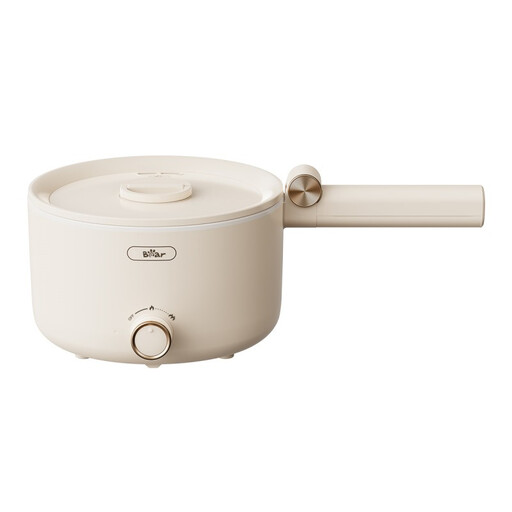 No image available
An option to compare if you’re looking for a compact cooking pot for soup for one.
Capacity: 1.6 L.
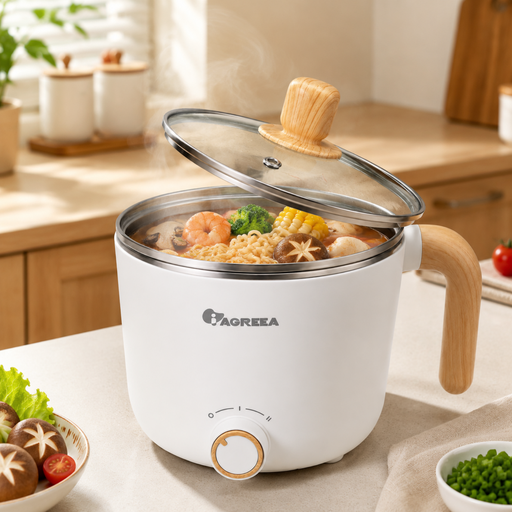 No image available
A small cooking pot to compare if you’re looking for a compact option for soup or a meal for one.
Capacity: 1.0 L. Power: 300 W/600 W.
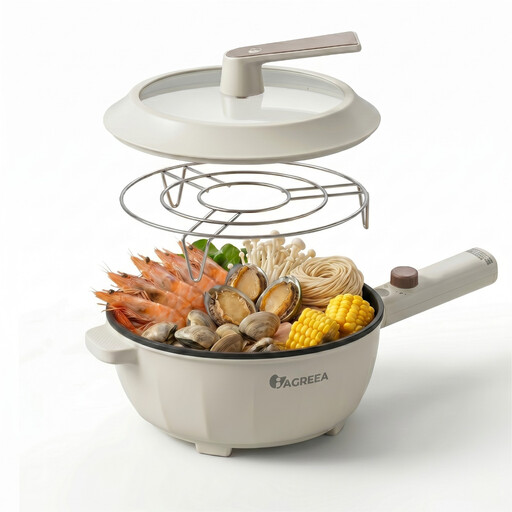 No image available
Could suit you if you want to sauté vegetables first and then make soup in the same pan.
Capacity: 2.3 L. Power: 1600 W.
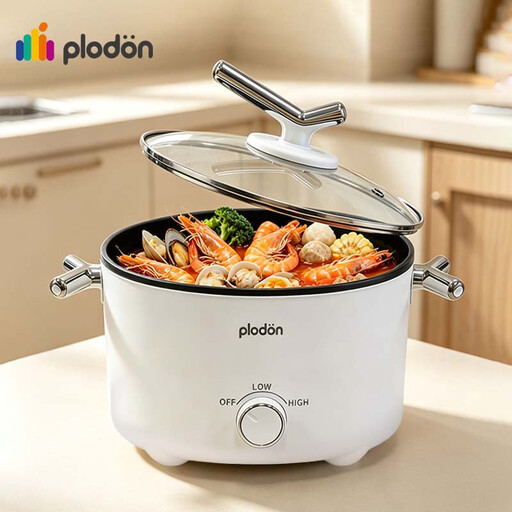 No image available
An option to compare if you’re looking for a cooking pot for soup and its capacity suits your usual portion size.
Capacity: 2.0 L. Power: 1000 W.
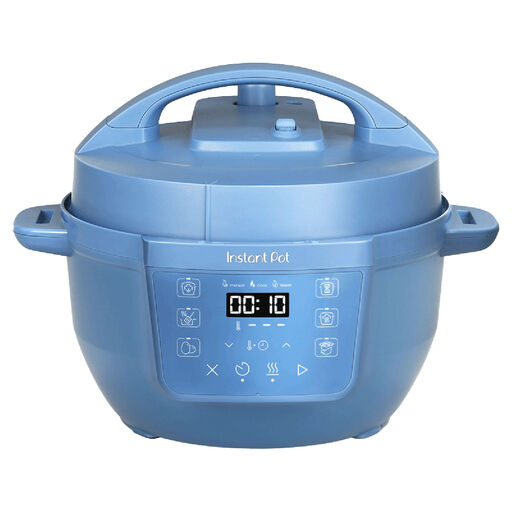 No image available
Suited to anyone who wants to prepare other dishes under pressure as well as sauté.
Capacity: 3.8 L. When pressure cooking, follow the model-specific instructions on liquids and filling. Only open the lid once the pressure has released, as described in the Instant Pot manual.
No, not for reheating the beans: according to the Netherlands Nutrition Centre, tinned pulses only need reheating. Choose a pressure function mainly if you want to use it for other ingredients or dishes too.
Follow your model’s manual. The Instant Pot Duo manual says to add water, respect the stated fill limit and only open the lid once the pressure has fully released. These instructions don’t automatically apply to other models.
For meat-free brown bean soup, the Netherlands Nutrition Centre advises cooling leftovers quickly, storing them in a sealed container and not leaving them out of the fridge for more than two hours. Its storage guide recommends keeping this soup in the fridge for two days or in the freezer for three months. Check the appropriate storage advice for a different recipe.
For online purchases, ACM ConsuWijzer says you will generally have a statutory cooling-off period of up to 14 days after delivery. The Dutch Government states that the Netherlands has no fixed statutory warranty period; if a product is faulty, contact the retailer to find a suitable solution. An additional guarantee is separate from your statutory rights.