What should you look for when buying?
First, work out how many guests you’re expecting and how much soup you want to serve per bowl. Then compare the recipe volume with the usable capacity and filling instructions for the specific model.
| What to consider |
What should you check? |
Who is this important for? |
| Usable capacity for soup |
Check the model’s usable capacity and fill marks. Tefal Netherlands lists a 6 L bowl capacity and a usable capacity of 3.8 L for the CY505E. The Instant Pot Duo manual says not to fill the pot above two-thirds for pressure cooking, or above half full when using ingredients that expand. |
I want to make enough soup for the neighbourhood meal in a safe-sized batch, so I look beyond the capacity stated on the box. Around 36% of consumers give having enough room per batch top priority. |
| Cooking time |
Check whether the pot can sauté and then boil or simmer. For a pressure-cooking recipe, also allow time for the pressure to build and release; an Instant Pot minestrone recipe notes that these steps can take time when there’s a lot of liquid. The Netherlands Nutrition Centre advises heating tinned beans according to the label. |
If I want to serve the meal at an agreed time, I need to account for the full cooking process, not just the set cooking time. Around 29% of consumers prioritise the time available for preparing and serving. |
| Adjusting how ingredients cook |
Check whether you can pause the cooking to stir or add ingredients. If you have a pressure model, follow the instructions for opening it safely. |
I want to keep an eye on how the vegetables, pasta and beans are cooking rather than simply choosing a programme. Around 21% of consumers give control during cooking top priority. |
| Serving and cleaning |
Check which parts of the exact model are dishwasher-safe and whether the pot is easy to handle. Also plan how to cool and store leftovers: the Netherlands Nutrition Centre advises covering them, letting them cool and putting them in the fridge within two hours. |
When I’m cooking for several people, I want serving and clearing up to be easy. Around 14% of consumers put serving and cleaning ahead of their other buying concerns. |
Multicookers at Joybuy
These models are designed for making soups and stews, with options for keeping food warm or cooking under pressure. Compare the stated capacities and usage limits with your recipe and serving plan.
 No image available
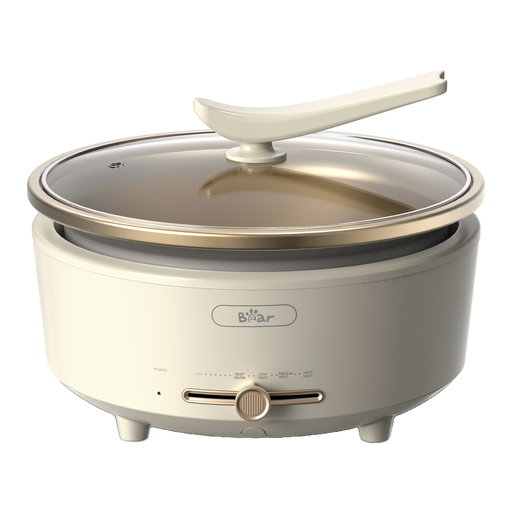
Bear DHG-P50F1 multicooker, 5 L
An option for soups or stews if you’d also like a keep-warm setting.
Stated capacity: 5 L. The product information lists stewing, slow cooking and keeping warm, as well as a glass lid and removable pot. The pot and lid may get hot, so use heat protection when handling them. Do not immerse the heating base in water.
Joybuy
 No image available
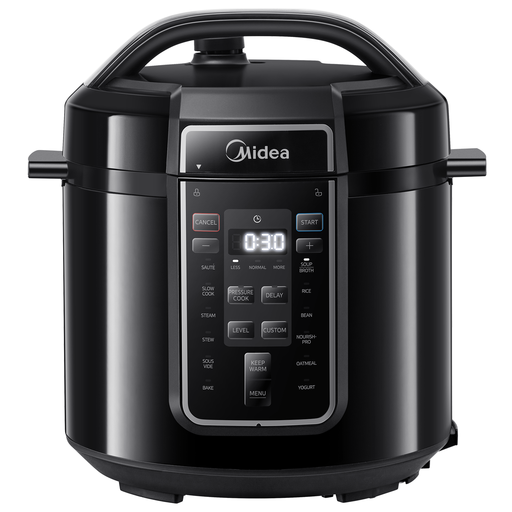
Midea electric pressure cooker, 6 L, 1000 W
An option if you want to combine pressure cooking and keeping food warm for soups or stews.
The title lists 6 L, 1000 W and 14 cooking functions; the product information mentions pressure, steaming, stewing and slow-cooking functions. According to the product warning, when pressure cooking, do not fill the pot above the MAX mark, or above the 1/2 mark when using ingredients that expand. Do not force the lid open while the pot is under pressure.
Joybuy
 No image available
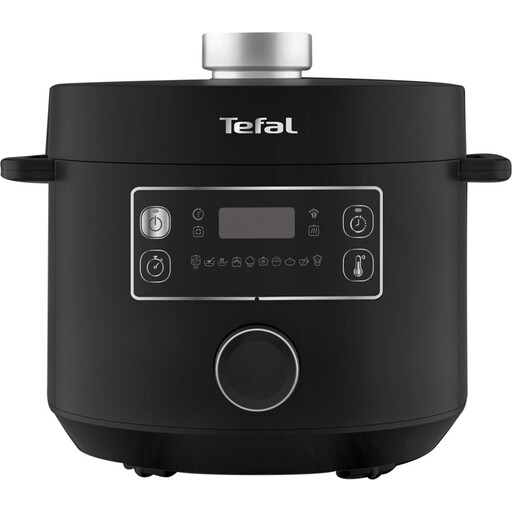
Tefal Turbo Cuisine CY7548 multicooker, 5 L
An option if you want to combine a soup function and keep-warm setting with pressure cooking.
The product information lists a 5 L capacity, a ceramic inner pot, a manual function and a soup function. Do not force the lid open when the pot is hot and under pressure; let it cool down and release the pressure first.
Joybuy
 No image available
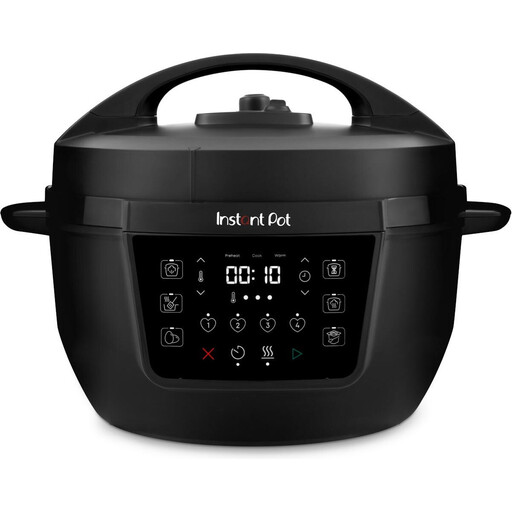
Instant Pot Rio XL 7.1 L multicooker
An option if you want to sauté vegetables and also use pressure cooking for soups or stews.
The product information lists a 7,1 L capacity, pressure cooking, sautéing and a stainless-steel inner pot. A glass lid for slow cooking is also mentioned. Check this model’s filling instructions before deciding on your batch size.
Joybuy
 No image available
Midea electric pressure cooker, 7,6 L
An option if you’re looking for one appliance with a soup or broth programme, sautéing and a keep-warm function.
The title lists 7,6 L; the product information mentions pressure cooking, a soup and broth programme, sautéing and automatic keep-warm. According to the product warning, when pressure cooking, do not fill the pot above the MAX mark, or above the 1/2 mark when using ingredients that expand. Do not force the lid open while the pot is under pressure.
Joybuy
Frequently asked questions
Do tinned beans need to be pressure-cooked first?
No. According to the Netherlands Nutrition Centre, pulses in tins, jars and pouches have already been heated sufficiently; warm them according to the cooking instructions on the label. A pressure function may be useful for other ingredients or dishes, but it isn’t necessary for these beans.
Can I fill a pressure cooker to the brim with minestrone?
Not with the Instant Pot Duo: the Instant Brands manual specifies a maximum of two-thirds full, or half full for food that expands during cooking. For any other model, follow its own manual and fill marks.
What should I do with soup left over after the neighbourhood meal?
According to the Netherlands Nutrition Centre, cover leftovers, let them cool and put them in the fridge within two hours; a temperature of 4 °C is recommended. When serving the soup again, reheat it thoroughly until piping hot and stir well.
What guarantee applies if the multicooker turns out to be faulty?
In the Netherlands, statutory rights apply without a fixed statutory guarantee period, according to the Government of the Netherlands. Any manufacturer’s guarantee is in addition to your statutory rights.
Do the rules for professional catering automatically apply to a neighbourhood meal?
Not simply because it’s called a neighbourhood meal. The Netherlands Food and Consumer Product Safety Authority (NVWA) sets out requirements for people who prepare and sell food from home or provide catering. If your meal falls under one of these arrangements, check the applicable requirements, including food safety practices and allergen information. The NVWA page doesn’t specify which obligations apply to every private, unpaid neighbourhood meal.


