
Weekend cook who wants to use one pan
Wants to sauté vegetables and then simmer the minestrone in the same appliance, without needing a pressure-cooking setting specifically for tinned beans.


For minestrone with tinned beans, a multicooker with sauté and cook or simmer settings is generally enough; you don’t need a pressure-cooking function just for the beans. Choose a pressure setting if you also want to use it for other dishes, and bear in mind how to release the pressure and when to add the pasta. Compare the quantity in your recipe with the fill line for the model you choose, rather than relying on its stated capacity alone.
Wants to sauté vegetables and then simmer the minestrone in the same appliance, without needing a pressure-cooking setting specifically for tinned beans.
Wants a pressure setting alongside a soup or slow-cooking function, and wants to know how it works with soup containing pasta.
Wants enough usable capacity for several bowls of soup and pays attention to the fill limit and how to store leftover portions.
Start with the cooking method you want to use for this lunch. Then compare the quantity you need and any extra features with the instructions for the exact model.
| What to consider | What to look for | Who it matters to |
|---|---|---|
| Sautéing and slow cooking | Check whether you can sauté vegetables in the inner pot and then cook or simmer the soup. | Want to use one pot for lunch and let the soup cook gently? Around 40% of consumers prioritise this way of cooking. |
| Usable capacity | Compare the quantity of vegetables, beans, pasta and stock with the fill line and manual; for pressure cooking, check the model-specific limit. | If you’re cooking for guests or want leftovers, the permitted quantity of soup matters. Around 30% of consumers give enough room for several portions top priority. |
| Pressure-cooking function | If you also want to cook under pressure, check whether the model has sauté or slow-cooking functions too, and how pressure release works. | If you want to use your multicooker for other dishes as well, a pressure setting may be important. Around 20% of consumers prioritise this extra cooking option. |
| Cleaning | Check the cleaning instructions for the inner pot, lid and any removable parts separately. | If you want to keep cleaning to a minimum after lunch, check what the manual allows for each part. Around 10% of consumers put this ahead of other buying factors. |
That function isn’t essential just because the minestrone recipe uses tinned cannellini beans. The cooking method depends on the whole recipe and what else you want to make with the multicooker.
First, compare the sauté, cook and simmer functions with the way you prepare the soup.
The manual sets a maximum amount for ingredients and liquid. Pressure cooking may have a separate fill limit.
Compare the quantity in your recipe with the fill line and instructions for the exact model.
Russell Hobbs’s stated energy saving compares cooking a chicken with using an electric oven. It doesn’t provide evidence about minestrone’s cooking time or energy use.
Don’t treat a claim like this as a prediction for your weekend lunch; choose based on the functions and instructions that suit the recipe.
The RK8121 is a multicooker for cooking, stewing and slow cooking, among other things. The separate All-in-One CY505E range also has pressure-cooking programmes.
According to the Dutch product information, the Plus WiFi 5,7L combines pressure cooking, sautéing and slow cooking for anyone who wants to use their multicooker for other dishes too.
The Good To Go 28270-56 is an option for cooking and simmering if pressure cooking doesn’t need to be the main reason for buying.
The Omnicooker Cream 5.6L is an electric cooking pot with pre-programmed cooking methods.
This selection includes appliances for cooking or simmering soup, including models with sauté and pressure-cooking functions.
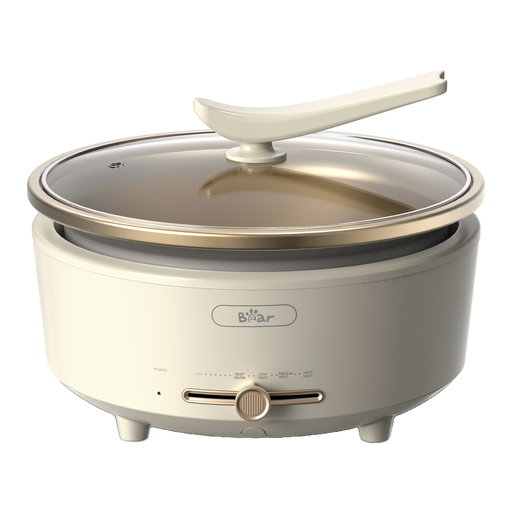 No image available
The listed simmering and slow-cooking functions may suit a soup that needs to cook gently.
Capacity: 5 litres. The product description also lists stewing and keeping food warm.
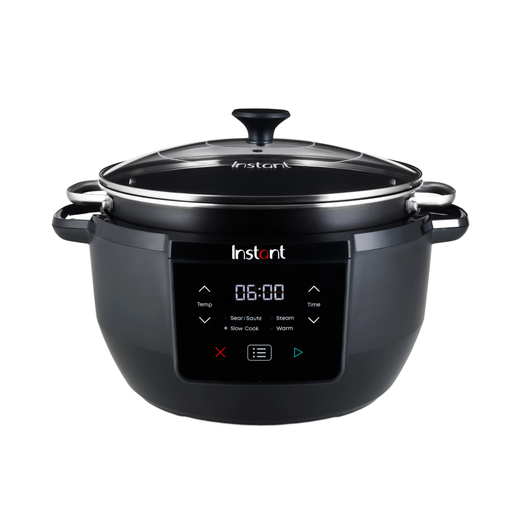 No image available
The listed sauté and slow-cooking functions may suit sautéing vegetables before leaving the soup to cook.
Capacity: 7.1 litres; the product description states that it serves up to 10 portions and has a removable inner pot. According to the description, the inner pot isn’t suitable for use on a hob or in an oven.
 No image available
This model may suit you if you want a stewing or slow-cooking function as well as pressure cooking.
The product name lists a 6-litre capacity and 1000 W; the product description lists 14 cooking functions and a removable stainless steel inner pot. When pressure cooking beans or grains, the stated fill limit is 1/2.
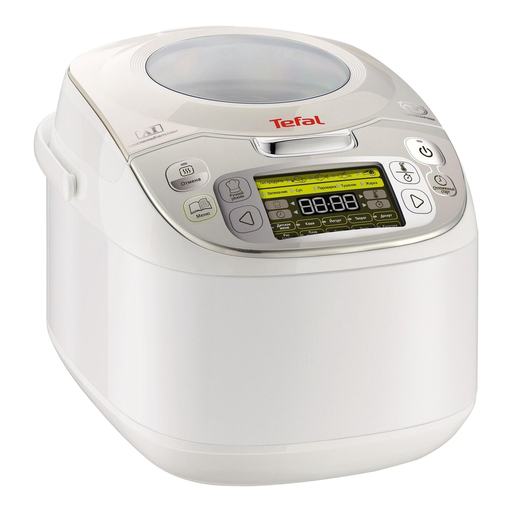 No image available
The RK8121 manual lists a soup function; the product information lists cooking and stewing.
Capacity: 5 litres. The product information lists manual temperature settings from 40 °C to 160 °C and an adjustable cooking time from 5 minutes to 9 hours. Don’t exceed the highest fill line in the inner pot.
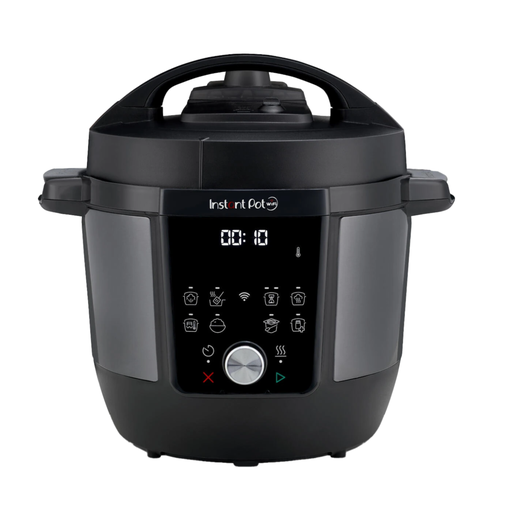 No image available
According to the product information, this model combines pressure cooking with sautéing and slow cooking, giving you a choice of cooking methods.
Capacity: 5.7 litres; the product description lists up to six people, 15 programmes and a stainless steel inner pot. For beans or rice, the description gives a fill limit of 1/2 when pressure cooking; also follow the pressure-release instructions. The Instant Pot app isn’t available in Dutch.
No. Tinned cannellini beans don’t mean you need a pressure-cooking setting for this recipe. Choose a method that suits the whole soup, and follow the recipe instructions if you’re adding the pasta later.
Follow the manual’s instructions for placing the appliance on a stable, suitable surface, and keep steam vents clear. Don’t exceed the maximum fill line for your chosen model, and only open a pressure cooker as instructed for pressure release.
The Netherlands Nutrition Centre advises letting leftovers cool within two hours, storing them covered at 4 °C and eating them within two days, or freezing them. When you use refrigerated leftovers, reheat them thoroughly until steaming hot.
According to ACM ConsuWijzer, the seller is responsible for the statutory guarantee. If the product doesn’t meet what you could reasonably expect, the seller must offer a free remedy under the applicable terms; the manufacturer’s guarantee period doesn’t automatically cover the full duration of your statutory rights.
EU rules require electrical and electronic equipment covered by the relevant harmonised rules to carry a CE mark. The manufacturer is responsible for identifying the applicable requirements and ensuring compliance; a CE mark isn’t a quality certificate issued by a central EU authority. This general principle doesn’t, by itself, confirm that a specific product offered for sale complies.