
Cooking instructor for a larger group
Wants to serve enough bowls from one batch, so compares the usable capacity and fill limit rather than relying only on the number of litres on the packaging.


If time is short, a multicooker with a pressure-cooking function could be a good fit. If participants need to watch the cooking and stir as they go, a model with an open cooking or simmering function is better suited to the demonstration. First, work out how much soup you need and check the usable capacity and model-specific fill limit: the stated pot capacity is not necessarily the amount you can safely cook in one go. Also check the CE marking on the actual appliance and follow the instructions for your chosen model.
Wants to serve enough bowls from one batch, so compares the usable capacity and fill limit rather than relying only on the number of litres on the packaging.
Wants to know whether the entire cooking process, including pressure build-up and release, will fit into the available lesson time.
Wants participants to stir, taste and follow the cooking process, and weighs up this option against cooking in a sealed pressure cooker.
Choose this option: if the lentils need to cook within a tight workshop schedule and you don’t need to open the pot during the pressure-cooking phase.
Bear in mind: pressure build-up and release take time. You can’t stir or demonstrate while the pot is sealed and under pressure.
Choose this option: if participants need to see the food cooking and you want to stir as you go.
Bear in mind: allow enough time for cooking or simmering; don’t assume it will take as long as it would in a pressure cooker.
The percentages below show which purchasing considerations matter most to consumers in these workshop scenarios. Compare the features of the exact model with your recipe, group and lesson schedule.
| Consideration | What to look for | Who should pay particular attention? |
|---|---|---|
| Soup per batch | Compare the usable capacity with the number of portions you plan to make, and check the fill limit for dried lentils and your chosen cooking setting. | When I’m cooking for a group, I want to know whether I can make all the portions in one safe batch. Around 36% of consumers prioritise batch size. |
| Demonstrating and stirring | Check whether the model has an open cooking or simmering function, and what the manual says about safe use and pressure release. | If I want participants to watch and stir as we go, how the pot can be operated is important. Around 29% of consumers prioritise being able to demonstrate safely. |
| Cooking time | For pressure cooking, allow for pressure build-up and release as well as cooking time; compare this with cooking or simmering. | If the soup needs to be ready before the lesson ends, I want to be able to fit the whole cooking process into my schedule. Around 21% of consumers focus on the time available for the lesson. |
| Cleaning between lessons | Check which parts can be removed and follow the model-specific instructions for the pot, lid and electrical components. | When using the pot repeatedly, I want to be able to clean it easily between workshops. Around 14% of consumers make cleaning their main purchasing consideration. |
The usable capacity or fill limit may be lower than the pot’s nominal capacity. This could mean you can’t make all your planned portions in one batch.
First, calculate the volume of your recipe, then check the fill markings and manual for the exact model, especially when using ingredients that expand during cooking.
You may need to make a second batch or use an extra pot for a larger group.
Models with cooking or simmering functions don’t automatically have a pressure-cooking function. As a result, a lesson plan based on pressure-cooker cooking times may not suit the method you choose.
Decide whether you need a sealed pressure-cooking phase or a cooking method that lets participants watch or stir, then plan your timing accordingly.
Your chosen cooking method may affect how much time you need for the workshop.
According to the Government of the Netherlands, a manufacturer’s warranty is in addition to your statutory rights. If a consumer product is faulty, the retailer remains your point of contact.
Read what extra cover an extended warranty offers, and separately check whether its terms are suitable for the intended use during your workshop.
According to Instant Pot, the Classic 5,7 L combines pressure cooking with functions including sautéing and slow cooking. It could be a good fit if you want to combine several cooking steps in one pot.
The All-in-One CY505E10 combines pressure cooking and slow cooking, giving you a choice of cooking methods.
The HD2823/80 is a pressure multicooker. Philips lists a pot capacity of 8 L and soup or bean programmes.
The Good To Go 28270-56 is designed for cooking, simmering and keeping food warm. It could suit a workshop where participants need to follow the cooking process.
This selection features multicookers with a pressure-cooking function for making lentil soup. Don’t compare the nominal capacity directly with the safe soup volume, and check the CE marking on the actual appliance as well as its model-specific instructions.
 No image available
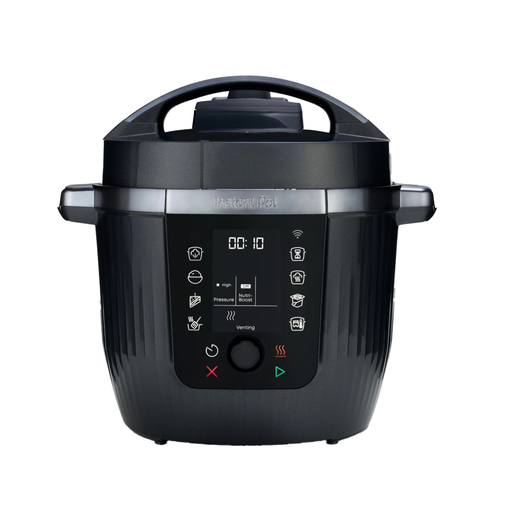
Could be a good fit if you’re looking for a pressure function and want to combine several cooking steps in one appliance.
Stated capacity: 5,7 L. The product name lists 10-in-1, WiFi, app control and sous vide.
Don’t open the pot while it is under pressure. Keep clear of escaping steam and follow this model’s fill limit and instructions.
 No image available
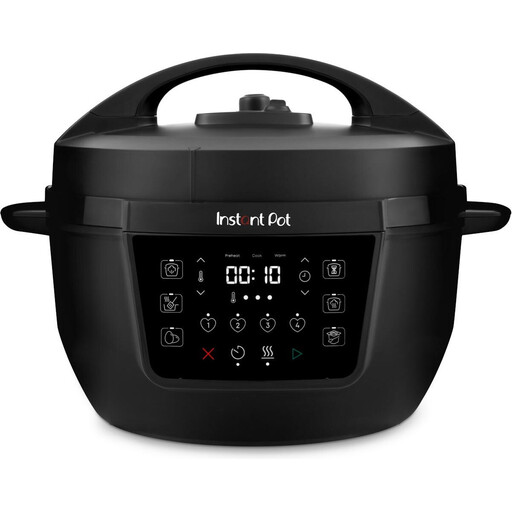
Could be a good fit if you’re looking for a pressure function and a stated pot capacity of 6 L for your workshop.
The product name lists 1000 W, 14 cooking functions, a stainless steel inner pot and automatic keep-warm function.
The product information warns against filling above the 1/2 line when cooking food that expands, such as beans or grains. Also follow the fill markings and pressure-release instructions.
 No image available
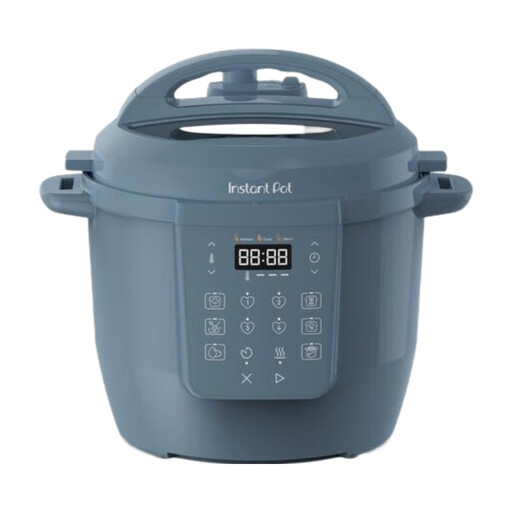
Could be a good fit if you’re looking for a pressure function and want to carry out several cooking tasks in the same pot.
Stated capacity: 7,1 L. The product name lists 7-in-1 and a stainless steel inner pot.
Follow the fill limit for pressure cooking and don’t open the lid while the float valve is raised.
 No image available
Could be a good fit if you want to combine pressure cooking with other listed cooking functions.
Stated capacity: 5,7 L. The product name lists 7-in-1, Slow Cook and Steam.
According to the product information, the fill limit for food that expands, such as beans or rice, is 1/2. Don’t open the lid while the float valve is raised.
 No image available
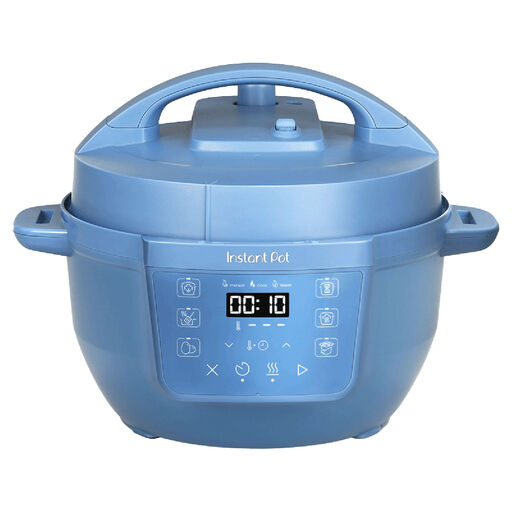
Could suit a compact cooking set-up or be a good choice if you want to make smaller portions.
Stated capacity: 3,8 L. The product information lists up to four portions.
The fill limit for food that expands, such as beans or rice, is 1/2. Also follow the other instructions for pressure and steam.
No, don’t assume you can. Tefal states that the CY505E10 has a pot capacity of 6 L and a usable capacity of 3,8 L. For its 5,7 L model, Instant Pot specifies separate fill lines and a lower limit for dried ingredients that expand. Follow the instructions for your chosen model and recipe.
Don’t let participants open a pot while it is under pressure. The Instant Pot manual says to place the appliance on a stable surface, handle the hot inner pot with care and follow the instructions for the specific model. Schedule tasting and stirring for outside the sealed pressure-cooking phase.
Yes. The Netherlands Food and Consumer Product Safety Authority states that CE marking is required for electrical products. Check the marking on the actual appliance; information about a product model alone does not confirm that it has one.
According to the Netherlands Food and Consumer Product Safety Authority, food safety rules apply when selling food to consumers. Food businesses must register and have a food safety plan or hygiene code. If you serve unpackaged dishes, rules also apply to providing information about allergens present. Whether these requirements apply to your workshop depends on how it is organised.
Cool leftovers quickly and store them in a tightly sealed container. Don’t leave them out of the fridge for more than two hours. The Netherlands Nutrition Centre says opened packaged lentil soup keeps for two days in the fridge. Don’t assume this storage time applies to every homemade workshop recipe.