
A cook who wants a quick meal after the market
You want to sauté vegetables and then make lentil soup without changing pans. So compare the sauté and pressure-cooking functions of the specific model.


If you’re only starting once you get home, look for a specific model that offers both pressure cooking and sautéing, so you can cook your vegetables before making the soup. Choose the capacity based on the amount you’re making and the maximum fill level; slow cooking is best suited to starting earlier in the day. The NVWA requires electrical appliances covered by the Commodities Act Decree on Electrical Equipment to carry a CE mark, so check this on the specific model.
You want to sauté vegetables and then make lentil soup without changing pans. So compare the sauté and pressure-cooking functions of the specific model.
You need enough usable pan space for vegetables, lentils and liquid. The stated capacity is not the same as the safe fill level, and you should also plan to cool and store leftovers promptly.
You’re looking for a size that suits smaller quantities and want to know whether the appliance will fit in the available space and can be stored away.
First decide when you can start cooking. Then consider whether a compact or more spacious pan suits the quantities you make and the space in your kitchen.
Best for: smaller quantities and limited worktop space, if you want to start cooking as soon as you get home. Instant Pot Netherlands describes the Duo 3L Mini as offering settings including soup, sauté, pressure cooking and slow cooking.
Keep in mind: the stated 3 L capacity doesn’t mean you can fill the pan with that much soup. Follow the fill markings and instructions for the specific model.
Best for: anyone who wants to cook more ingredients at once or store portions for later. Philips lists a 6 L capacity for the HD2616/70, while Tefal describes the Turbo Cuisine CY7548 as offering pressure cooking, stir-frying and slow cooking.
Keep in mind: a larger pan takes up more space. The functions and capacity listed apply to the specific models mentioned and not necessarily to other models from the same brand.
Best for: if you can start the soup well before mealtime, rather than waiting until you get back late from the market. The models reviewed list a slow-cooking function.
Keep in mind: this cooking method requires planning. A listed slow-cooking function doesn’t mean the cooking time, temperature or results are the same across models.
The main things to weigh up are how soon you want to start, how much soup you’re making, how much space you have and how much maintenance fits your routine. The table groups consumers by their main priority when choosing.
| What to consider | What should you check? | Who considers this important? |
|---|---|---|
| Cooking time once you get home | Check whether the specific model offers both sautéing and pressure cooking. Don’t treat claims about saving time as a measured cooking time for lentil soup. | If I only start after the market, I want to sauté the vegetables and then make the soup. Around 36% of consumers put speed first. |
| Usable capacity for soup and extra portions | Read the fill markings and instructions for the specific model, especially when using ingredients that expand during cooking. | When I make soup for several portions, I want room for lentils, vegetables and liquid without exceeding the fill limit. Around 29% of consumers prioritise usable capacity. |
| Fitting and using it in your kitchen | Measure the available space and check the model’s external dimensions and placement instructions. | With limited space, I want to choose an appliance that fits on my worktop and isn’t bigger than necessary. Around 21% of consumers make kitchen space their main priority. |
| Cleaning and maintenance | Check the instructions to see which parts of the specific model can be cleaned and which replacement parts fit that version. | If I have little time to clean after cooking, I want to know in advance how to care for the pan and its parts. Around 14% of consumers prioritise ease of maintenance. |
Pressure cooking has fill limits, and a lower limit may apply to ingredients that expand, such as dried beans. The instructions for the specific model tell you how much you can cook.
Measure your ingredients and liquid, then compare the amount with the fill marking before choosing a size.
If the pan is too small for the amount you want to make, you may need to cook the soup in several batches.
Tefal’s published 2022 test was on potatoes, not lentil soup. So it doesn’t give a measured cooking time for your recipe.
Choose functions to suit the way you cook, and follow the instructions for your chosen model on ingredients, liquid quantities and cooking times.
Tefal gives the reference CY754830 for the Turbo Cuisine CY7548 reviewed here. A different reference, such as CY754130, isn’t automatically the same model.
Compare the full model number and the version’s features before matching a product to a description.
According to ACM ConsuWijzer, your statutory warranty rights are separate from any warranty you buy separately.
First find out what remedy the seller must offer under your statutory rights if a product is faulty. Then consider any additional cover.
Instant Pot Netherlands describes the Duo 3L Mini as offering settings including soup, sauté, pressure cooking and slow cooking. This model information doesn’t necessarily apply to other versions.
Tefal describes the Turbo Cuisine CY7548 as offering pressure cooking, stir-frying and slow cooking. The manufacturer lists ten automatic programmes for this version.
Philips lists a 6 L capacity and programmes including soup, pressure cooking, sautéing and slow cooking for the 3000 Series HD2616/70.
These models range from compact to more spacious in stated capacity, and are designed for making soup with a pressure-cooking function. Compare the fill limit and check whether the specific model includes the sauté function you want. The NVWA requires electrical appliances covered by the Commodities Act Decree on Electrical Equipment to carry a CE mark; check the mark on the actual appliance.
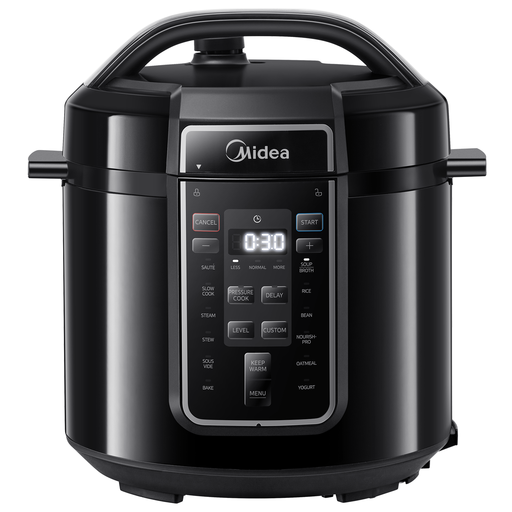 Image unavailable
Suited to anyone looking for a more spacious stated capacity for portions of soup; the product description lists pressure cooking.
Stated capacity: 6 L. Power: 1000 W. For ingredients that expand, observe the lower fill limit in the instructions.
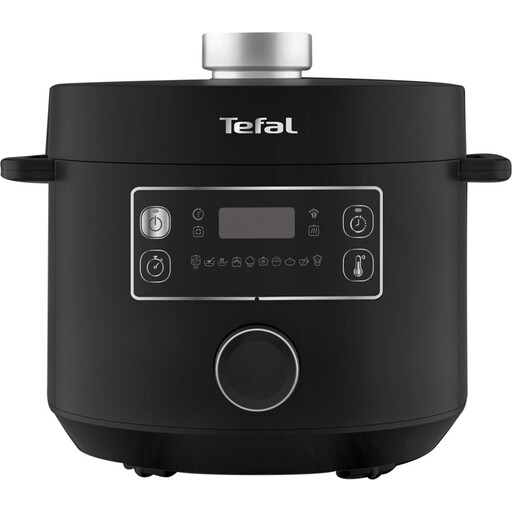 Image unavailable
Suited to anyone looking for a soup function and a more spacious stated capacity; check whether the specific version also has the sauté function you want.
Stated capacity: 5 L. Don’t force the lid open while the pan is hot and under pressure.
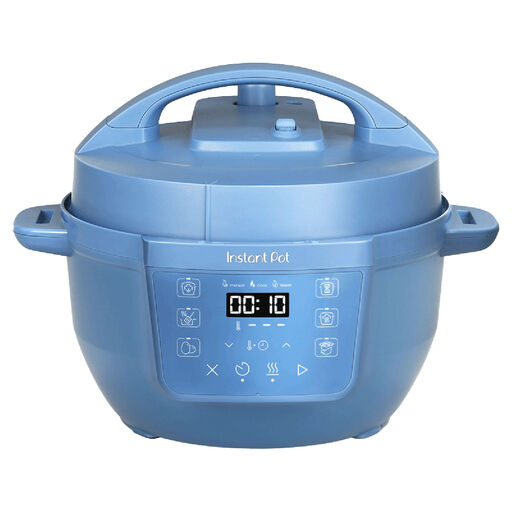 Image unavailable
Suited to anyone looking for a compact size who wants to start pressure cooking as soon as they get home; the product description also lists sautéing.
Stated capacity: 3.8 L. For ingredients that expand, follow the lower fill limit in the instructions.
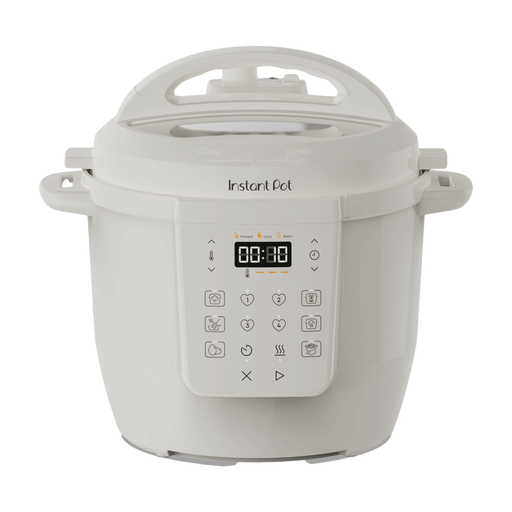 Image unavailable
Suited to anyone looking for a larger stated pan capacity and wanting to combine pressure cooking with sautéing.
Stated capacity: 5.7 L. Follow the fill limit for the specific version, especially when using ingredients that expand.
 Image unavailable
Suited to anyone looking for a larger stated capacity and wanting to compare soup and pressure-cooking functions; the product description also lists stir-frying.
Stated capacity: 7.6 L. Observe the lower fill limit for ingredients that expand.
Yes. According to the Voedingscentrum, dried pulses must be cooked until tender, while pulses from a tin, jar or pouch only need heating through. Follow the packaging and your multicooker’s instructions for cooking time and liquid.
Not without checking the instructions for the specific model. The Instant Pot manual gives a maximum fill mark and a lower limit for food that expands during cooking; follow the instructions for your model.
Cool leftovers quickly and store them in a well-sealed container in the fridge or freezer. The Voedingscentrum advises against leaving leftovers out of the fridge for more than two hours and recommends keeping them in the fridge for no longer than two days.
The NVWA states that electrical appliances covered by the Commodities Act Decree on Electrical Equipment must carry a CE mark. Check the mark and product identity on the actual model; a product listing alone doesn’t confirm this.
Contact the seller about your statutory warranty rights. According to ACM ConsuWijzer, the seller is responsible for offering an appropriate solution if the product doesn’t meet what you were entitled to expect; a manufacturer’s warranty doesn’t replace those rights.