
Anyone cooking several portions at once
You’re making several meals in one go and want to know how much soup will fit safely in the pot, and how to store the portions afterwards.


Start by deciding how much soup you want to make in each batch, then check the fill limit in the manual for the exact model. The stated capacity is not automatically the usable capacity for pressure cooking. A pressure cooker is a good choice if you regularly want to cook dried lentils under pressure; if you prefer to adjust the cooking as you go, look for sauté and simmer functions. Also plan how you’ll cool and store the soup in portions promptly.
You’re making several meals in one go and want to know how much soup will fit safely in the pot, and how to store the portions afterwards.
You want to weigh up whether a pressure function suits your cooking routine, while following the instructions for the exact appliance.
You want to be able to brown ingredients and let the soup simmer. Extra functions are most useful if you’ll actually use them.
Best for: anyone who regularly wants to cook dried lentils under pressure and can follow the model-specific filling and pressure instructions.
Keep in mind: liquid, fill limits and pressure release all need careful attention; a soup or bean programme does not replace those instructions.
Best for: anyone planning larger batches, after checking that they’re within the permitted fill limit.
Keep in mind: a higher stated capacity doesn’t solve the need to cool and store portions promptly.
Best for: anyone mainly looking to brown ingredients and simmer, without needing to pressure cook.
Keep in mind: don’t treat this type as a pressure cooker, and check that the pot and controls suit your cleaning routine.
| What to consider | What to look for | Who is this important for? |
|---|---|---|
| Usable capacity per batch | Compare the stated capacity with the fill limit for ingredients that expand, and with your usual recipe. Don’t assume the limit in another model’s manual applies. | If I’m making several meals at once, I want to know how much soup the manual allows in the pot and how to store the portions. Around 36% of consumers prioritise usable capacity per batch. |
| Pressure cooking | Check whether the exact model has a pressure function and which cooking, filling and pressure-release instructions apply to your recipe. | Anyone who often uses dried lentils will want to know whether pressure cooking suits their way of cooking. Around 29% of consumers prioritise pressure cooking. |
| Cleaning after making soup | Check the material and whether the inner pot can be removed, and read the cleaning instructions for the pot, lid and seal. | If I make soup regularly, I want to know which parts need cleaning after cooking and how to care for the pot. Around 21% of consumers focus mainly on ease of cleaning. |
| Control while cooking | Check whether the model has the sauté and simmer functions you want, and whether any extra lids suit your needs and storage space. | Anyone who wants to brown ingredients and let the soup simmer gently can weigh up extra functions against their cooking routine. Around 14% of consumers value control while cooking above all. |
Ingredients that expand are subject to the filling instructions for the specific appliance. So a larger pot doesn’t automatically mean you can fill it right up with lentil soup.
Before choosing a size, compare the amount in your recipe with the manual and the fill markings on the exact model.
A lower permitted fill level may mean you need to cook in extra batches.
Electric multicookers don’t all offer the same cooking methods. A pot with multiple programmes isn’t automatically a pressure cooker.
Check separately whether the exact model can pressure cook, sauté and simmer. Choose pressure cooking only if you want to use that function.
The Netherlands Nutrition Centre advises putting leftovers in the fridge or freezer within two hours of cooking.
Plan how you’ll portion and cool the soup before you start cooking a large batch.
You may need portion containers and enough fridge or freezer space.
According to Instant Pot Netherlands, the Duo 5,7L has pressure, soup and sauté programmes. The Duo Crisp 5,7L adds a separate air fryer lid, according to the retailer.
Tefal describes the All-in-One CY505E as a model with a stated capacity of 6 litres, pressure cooking and settings for stews and soup.
Philips specifies the 3000 Series HD2823/80 as a pressure cooker with a stated capacity of 8 litres, including soup and sauté functions.
The Omnicooker Black 5.6L is an electric pot with programmes and a coated cooking surface, for anyone who doesn’t need pressure cooking.
This selection features electric pressure cookers for larger batches. Check the fill limit in the manual for each model: the stated capacity isn’t automatically the amount of soup you can safely pressure cook.
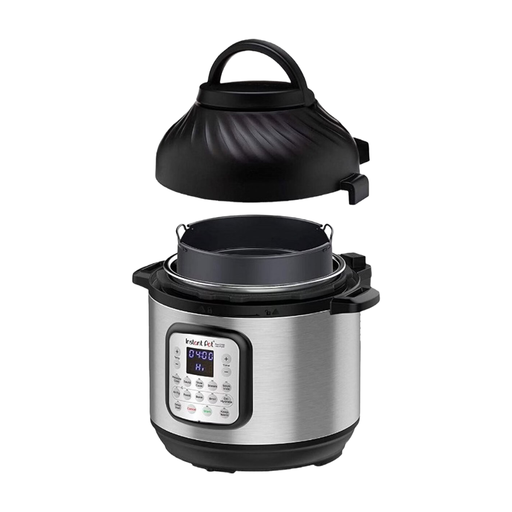 No image available
The title mentions pressure cooking and air frying; the two lids are for different cooking methods.
7.6L; 11-in-1; two lids.
When cooking food that expands, follow the maximum fill line.
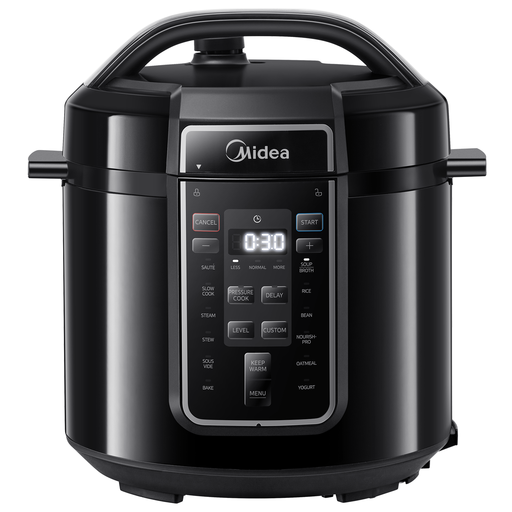 No image available
The title describes an electric pressure cooker for anyone considering pressure cooking larger batches.
6L; 1000W; 14 cooking functions; stainless steel inner pot.
For food that expands, the product information gives a fill limit at the 1/2 mark.
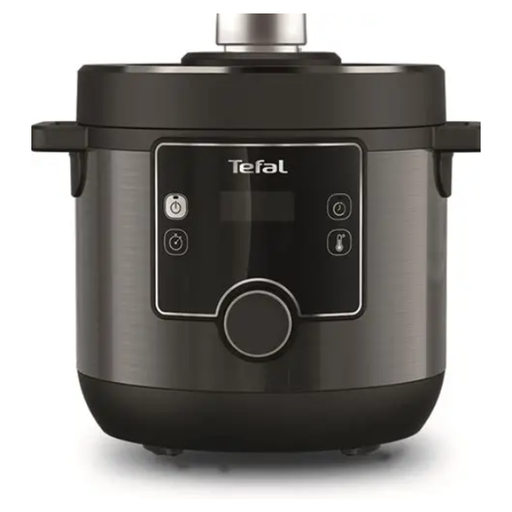 No image available
The product information lists pressure cooking and a soup function for anyone looking for these cooking options.
6L; 15-in-1; digital touch controls.
The product information says not to exceed the maximum fill line and to release pressure safely.
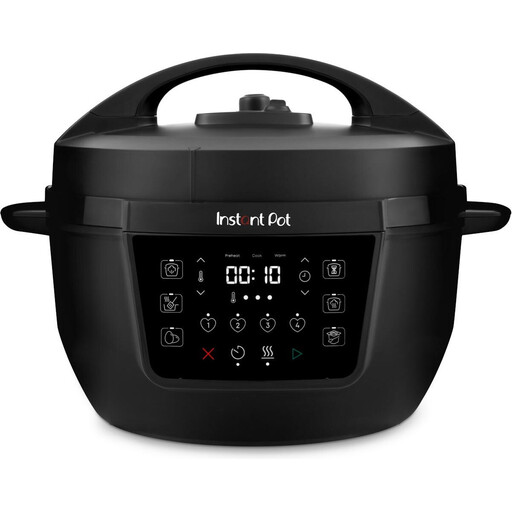 No image available
The title describes an electric pressure cooker for anyone looking to cook larger quantities and use the pressure function.
7.1L; 7-in-1; stainless steel inner pot.
Keep the contents below the maximum fill line.
 No image available
The product information lists soup and bean functions for anyone looking to use these programmes in their cooking.
7.6L; 9-in-1; 12 pre-programmed settings.
For food that expands, the product information gives a fill limit at the 1/2 mark.
Don’t assume you can when pressure cooking. Check the fill markings and instructions for ingredients that expand in the manual for the exact model. A stated capacity in litres isn’t a model-specific safe quantity for soup.
The Netherlands Nutrition Centre says leftovers should go in the fridge or freezer within two hours of cooking. It advises keeping leftovers in the fridge for no more than two days. Divide a large batch into portions so it’s practical to cool them promptly.
No. The Netherlands Nutrition Centre says dried pulses need to be cooked, while pulses from a jar, tin or pouch only need reheating. Follow the packaging instructions and, if you’re using a multicooker, the appliance manual.
The Netherlands Food and Consumer Product Safety Authority says CE marking is compulsory for electrical appliances covered by Dutch regulations for electrical products. Check the marking on the specific model; CE marking doesn’t prove that a particular lentil recipe is safe to pressure cook.
According to the Government of the Netherlands, you’re entitled to a product that works as it should, and the seller must provide a solution if it’s faulty. The Netherlands has no fixed statutory two-year warranty period. A manufacturer’s warranty or an extended warranty you buy is in addition to your statutory rights.