
Vandaag of morgen in huis

Kwaliteit gegarandeerd

Welkomstaanbiedingen ontgrendelen: GRATIS bezorging | Tot 80% korting | Gratis 30 dagen JoyPlus-proefperiode
Download de app
A multicooker can replace a pressure cooker, rice cooker, slow cooker, steamer and, in some cases, even an air fryer. However, each model is designed for a different type of use. A large pot can take up considerable space on a small worktop, while a compact electric cooking pot may not offer enough capacity for a family.
That is why you should not focus solely on the number of programmes. Capacity, cooking method, cleaning and safety are the main factors that determine whether an appliance remains convenient for everyday use.
A model with 10 or 15 programmes may sound versatile, but that says little about the actual capacity of the pot. For one person, 1 to 2 litres is often sufficient. A family-sized multicooker generally needs 5 to 7.6 litres, depending on portion sizes and the number of people being served.
Also pay attention to the difference between total capacity and practically usable capacity. When pressure cooking, the pot must not be filled to the rim. Rice, beans and other ingredients that expand often require an even lower fill limit.
Power indicates how much energy the heating element can use at maximum output. A 1,000W electric hotpot can heat water quickly, but a larger pot filled with ingredients will take longer to reach the required temperature.
Claims such as “up to 70% faster” or “three times faster” come from brands’ product descriptions. According to Midea’s own information, its 1,000W model can reduce cooking time by up to 70% compared with traditional methods. According to Tefal’s product information, the Turbo Cuisine can cook up to three times faster. Actual cooking times depend on the recipe, quantity and selected programme.
An easy-to-clean cooking pot saves valuable time after meals. Check whether the inner pot is removable, whether the components are dishwasher-safe and which cleaning products are permitted. For non-stick surfaces, use wooden or silicone utensils and avoid abrasive sponges.
A stainless-steel inner pot is generally suitable for intensive use, but baked-on residue may require more effort to remove. A ceramic or other non-stick coating is often easier to wipe clean, but must be maintained in accordance with the instructions.
A 5-litre pressure cooker is a versatile choice for many households. If you regularly prepare soup, stews or hotpot for several people, it is worth opting for additional capacity.
A classic electric pressure cooker is suitable for stews, legumes, rice and soups. A multicooker with an air fryer adds a second lid or air-fryer unit for baking, roasting and crisping food.
A combined rice cooker and slow cooker is convenient if you frequently prepare rice, porridge or slow-cooked dishes. For students or small apartments, a simple electric cooking pot with two heat settings may make more sense than a large digital appliance.
In addition to wattage, check the dimensions. An appliance measuring approximately 33 × 31 × 34 centimetres will not fit on every worktop. Also look for:
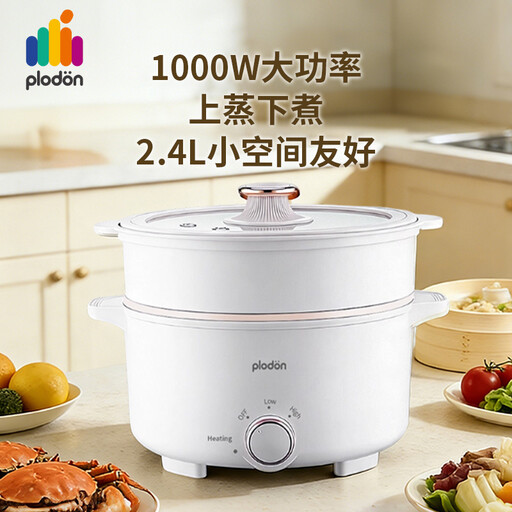
Why This Fits Their Persona: A practical entry-level option for students, couples and small households that want to prepare ramen, pasta, soup or hotpot without placing a large pot on the worktop.
The 2.4-litre capacity is clearly defined and the pot offers two heat settings. The removable steamer supports different cooking methods without adding an unnecessary number of programmes.
1,000W of power, compact dimensions of 27 × 22 cm and a removable steamer, according to the product information.
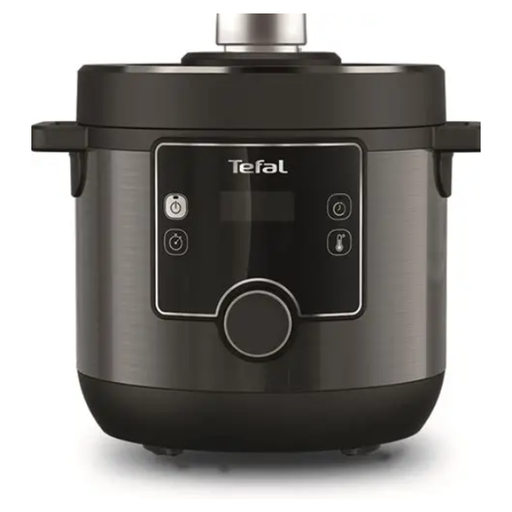
Why This Fits Their Persona: A strong choice for households looking for digital controls, multiple automatic programmes and a spacious inner pot.
The specifications list a 6-litre capacity, digital touch controls and 15-in-1 functionality. However, check which features you will genuinely use before choosing a larger model.
6L capacity, automatic programmes, keep-warm function and dishwasher-safe components according to the product details.

Why This Fits Their Persona: Designed for large households and users who want to combine pressure cooking, slow cooking, steaming, sous vide and air frying in one appliance.
The 7.6-litre capacity and two interchangeable lids make the functionality tangible. Keep in mind the weight of approximately 11.88 kg and the ventilation space required.
11 functions, 1,500W of power, a stainless-steel inner pot and an air-fryer lid according to the listed specifications.

Why This Fits Their Persona: A logical choice for families that mainly prepare large batches of soup, stews, rice or steamed meals.
The 6L capacity and 14 cooking functions are well suited to family-sized portions without an additional air-fryer lid or complicated accessories.
1,000W of power, a stainless-steel inner pot, automatic keep-warm function and removable components according to the product description.
Explore a current selection of multifunctional electric cooking pots in a range of capacities, functions and designs.
When pressure cooking, never force the lid open. Wait until the pressure has been fully released and keep your face and hands away from the steam outlet. Do not fill the pot above the marked line. Ingredients that expand, such as rice or beans, require a lower fill limit.
Never immerse the base, plug or power cord in water. Allow the pot to cool before removing any components. When using a dishwasher, always consult the manual, particularly for the lid, sealing ring and non-stick components.
That depends on the power rating, cooking time, quantity and energy price. A 1,000W multicooker theoretically uses 1 kWh when operating continuously at maximum power for one hour. Automatic programmes often reduce the power or maintain the temperature, but actual consumption varies by model and recipe.
For many families, a 5- to 6-litre model is a practical starting point. Choose 7 to 7.6 litres if you regularly prepare large portions, cook in advance or entertain guests. Also check the available space and the appliance’s weight.
Service life depends on use, cleaning and maintenance. Regularly inspect the sealing ring, valve, plug and non-stick coating. A model with replaceable parts and clear warranty or service information may prove more practical in the long term. Keep in mind that many products within the EU are covered by a statutory minimum warranty of two years; additional rights may apply under Dutch consumer law.
