
Vandaag of morgen in huis

Kwaliteit gegarandeerd

Welkomstaanbiedingen ontgrendelen: GRATIS bezorging | Tot 80% korting | Gratis 30 dagen JoyPlus-proefperiode
Download de app
A multicooker can combine the functions of a rice cooker, slow cooker, steamer, electric cooking pot and electric pressure cooker. This saves space and can be handy for busy weekday meals. However, not every appliance is right for every kitchen.
The biggest buying mistakes usually stem from three common misconceptions:
Choose a capacity that suits your usual portions, not the occasional dinner party.
According to Midea’s product description, a family-size multicooker with a 6-litre capacity can prepare meals for around 6 to 8 people. The Midea 9-in-1 has a stated capacity of 7.6 litres and is described as suitable for up to around 10 portions. Always follow the markings inside the pot. Ingredients that expand, such as beans and grains, may have a lower maximum fill limit.
Pay attention to the difference between a setting and a completely different cooking method. A rice cooker with programmes for rice, porridge and stewing is not the same as a pressure cooker.
A multi-purpose cooking pot with pressure cooking can speed up the preparation of stews, pulses and soup. A slow cooker, on the other hand, cooks food slowly at a low temperature. An electric hotpot is best suited to noodles, broth, fondue-style meals and cooking at the table. If you also want to bake, grill or air-fry, you’ll need a more versatile appliance, such as the Ninja OL750EU.
Also check:
A multicooker with a non-stick coating is easy to clean, but it needs careful handling. Use wooden or silicone utensils and avoid abrasive cleaning products. Stainless steel inner pots are generally more resistant to scratches, although food can stick more quickly if the temperature gets too high.
Pressure cookers and electric pressure cookers require some extra checks. The lid lock, steam outlet and float valve must work correctly. Never try to force open a pressurised pot. Wait until the pressure has released and follow the instructions for venting steam. Place the appliance on a stable, heat-resistant surface and keep children away while it’s releasing steam.
Also check the information about the EU responsible person, food-contact materials, warranty and available spare parts. Claims such as “up to 70% faster” or “up to 80% energy savings” come from the product information or the brand; the actual cooking time and energy use depend on the recipe, quantity and programme.

Why it suits this type of user: Its 6-litre capacity and electronic controls make it an accessible choice for households looking to cook rice, soup, steamed dishes and stews in one appliance.
The functions are readily accessible from the control panel. According to the product description, the removable non-stick inner pot is designed to make cleaning easier.
6-litre capacity, 1000 watts, 14 cooking functions and an automatic keep-warm function.
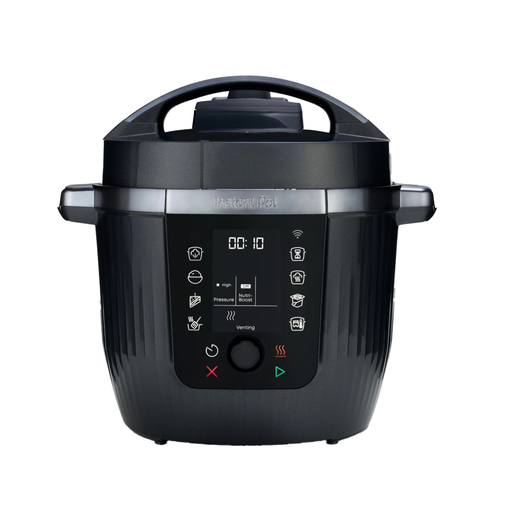
Why it suits this type of user: A good fit if you value multiple cooking methods, app control and a wide range of settings, and are happy to make use of the extra features.
The stainless steel inner pot means you don’t have to rely on a non-stick coating. The product information also lists more than 11 safety mechanisms.
5.7-litre capacity, 10 functions, Wi-Fi, sous vide and 28 adjustable programmes.
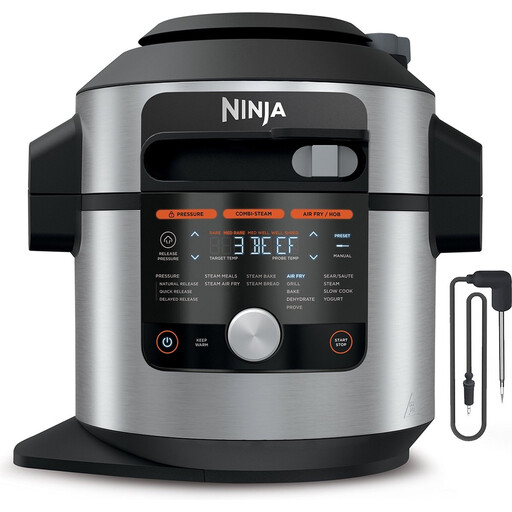
Why it suits this type of user: A good choice if you want one appliance that can grill, bake or air-fry as well as stew and steam.
This model is chosen for its practical features and capacity, not just the number of programmes. Check that it will fit on your worktop before buying.
7.5-litre capacity, 14 cooking functions, a combined steam function and a temperature setting of up to 240 °C, according to the product specifications.
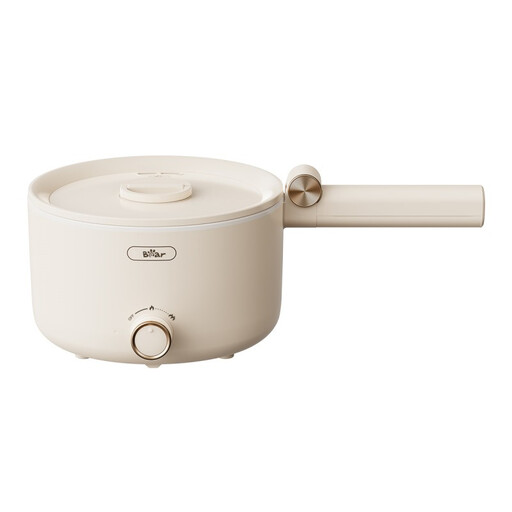
Why it suits this type of user: Its compact capacity is ideal for one or two people and takes up less space than a large electric cooking pot.
You won’t be paying for features you’re unlikely to use. According to the product information, the pot has two power settings and an automatic shut-off function.
1.6-litre capacity, 800–950 watts, non-stick coating and cooking functions for noodles, soup, stews and steaming.
We’ve put together a complete, up-to-date list of products that meet these strict selection criteria and the applicable European safety requirements.
It depends on the wattage, cooking time, amount of food and programme you choose. A smaller 600-watt pot may be suitable for single portions, while a 1,600-watt model heats up faster but uses more electricity per minute. So don’t compare wattage alone: consider the total cooking time and portion size too.
Its lifespan mainly depends on how it’s used, cleaned and maintained. Replaceable parts such as a silicone sealing ring, steam valve or inner pot can affect how long it remains practical to use. If the pot has a non-stick coating, don’t use metal cutlery and don’t place the inner pot on a hob unless the manufacturer specifically says it’s safe to do so.
Always use a multicooker in accordance with the instructions. A timer and automatic shut-off reduce the risk of a programme running on, but they don’t remove the need to keep an eye on it. Take extra care when pressure cooking, particularly around hot steam, the fill limit and opening the lid. Place the appliance in a clear, stable spot and keep children away from the pot during cooking and immediately afterwards.
