
Vandaag of morgen in huis

Kwaliteit gegarandeerd

Welkomstaanbiedingen ontgrendelen: GRATIS bezorging | Tot 80% korting | Gratis 30 dagen JoyPlus-proefperiode
Download de app
A multicooker can cook rice, make soup, steam food and, in some cases, pressure-cook or slow-cook. But not every appliance is suited to every kitchen. A large electric pressure cooker takes up more space than a compact electric cooking pot, while a rice cooker with a timer serves a different purpose.
The most common buying mistakes usually stem from three misunderstandings:
Also pay attention to the wording of product claims. When a brand says, for example, “up to 70% faster” or “up to 80% energy savings”, this is a claim made in the brand’s product information. The actual results depend on the recipe, quantity, temperature and how you use the appliance.
For one person or a student, a mini multicooker with a capacity of 1 to 1.6 litres is often more practical. Models such as an electric ramen cooker can make noodles, soup, pasta and a small hotpot without taking up much worktop space.
For two to three people, around 2 to 3.5 litres is usually a better fit. A family multicooker often starts at 5 litres. A 6-litre pressure cooker is suitable for larger meals, but bear in mind the maximum fill line. For foods that expand, such as beans and grains, use the lower fill line.
A capacity of 7 to 7.6 litres is worth considering for families, meal prep or entertaining. Just check that you have enough storage space and that the appliance will fit beneath your kitchen cupboards.
An appliance with lots of programmes may also work as a:
Check which functions really suit the way you cook. A rice cooker with a timer is useful if rice is a regular part of your meals. If you mainly make ramen, soup or pasta, you may get more use from a compact electric pan with adjustable power settings.
A removable inner pot makes cleaning easier. Check the material:
For pressure cooking, a locking lid, controlled steam release and a safety mechanism are essential. Never open an electric pressure cooker while it is still under pressure. For standard electric pans, useful features include boil-dry protection, overheating protection and a stable base.

Why it suits this profile: The 6-litre capacity is designed for larger households, while the electronic controls offer programmes for pressure cooking, steaming and stewing, among other things.
The product specifications list specific functions and a removable non-stick inner pot, rather than relying on a long list of vague cooking promises.
6-litre capacity, 1000 watts, automatic keep-warm function and several cooking methods.
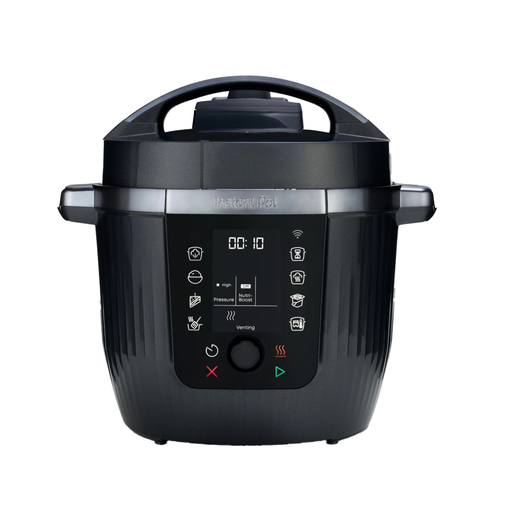
Why it suits this profile: For home cooks who want to combine several cooking methods and value app control.
The product information lists specific functions, 28 programmes and more than 11 safety mechanisms. Check in advance whether Wi-Fi control offers any real benefit for you.
Stainless steel inner pot, sous-vide function, rice cooker function and app connectivity.
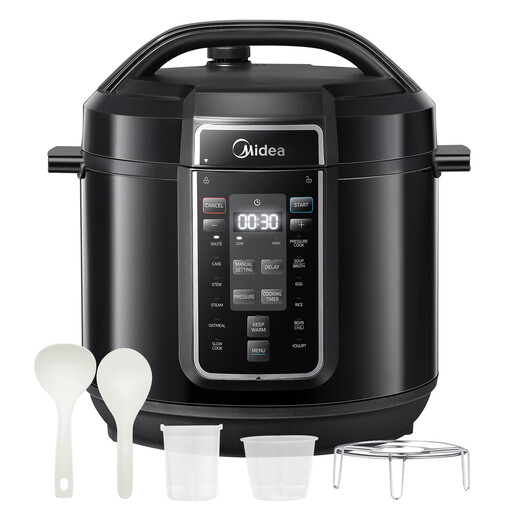
Why it suits this profile: Its large capacity is ideal for families, batch cooking and recipes such as braised meat, soup, rice and beans.
The maximum capacity and warnings about the MAX and half-fill lines make it clear that you can’t fill the pot without limits.
9 cooking functions, 12 presets, a 24-hour delayed start and keep-warm function for up to 12 hours, according to the product information.

Why it suits this profile: Its compact size is designed for one or two people, making it a good fit for small kitchens, student rooms and office spaces.
Its capacity is clearly intended for small portions, so you won’t be paying for a large pot that takes up space without being used.
1.6-litre capacity, 600 watts, non-stick coating, automatic shut-off and boil-dry protection, according to the product description.
We’ve put together a complete, up-to-date list of products that meet these strict selection criteria and the applicable European safety regulations.
That depends on the wattage, cooking time, quantity of food and function you choose. An appliance with a high wattage may heat up faster, but it also uses more power while it’s running. So don’t compare wattage claims alone; consider your usual cooking time and portion size.
Its lifespan depends on factors including how often you use it, the sealing ring, the inner pot and how well you maintain it. Clean the pressure-cooking lid, steam valve and sealing ring as instructed in the manual. Only replace parts with suitable replacements. If you have a non-stick pot, avoid using metal cutlery and scouring pads.
Yes, many models have a rice programme or a cooking function. A compact electric ramen cooker is particularly useful for noodles, soup and small meals. If you want to cook several portions of rice, a dedicated rice cooker or a multicooker of around 4 to 6 litres is more practical. Always check the recommended water levels and don’t fill the pot above the MAX line.
