
Cook with limited space
You want to be able to stew beef without the appliance taking over your small worktop. Compare its full dimensions with the space where you plan to use and store the multicooker.


Start by considering the space you have, the portions you usually make and whether you sometimes want to pressure cook or prefer a slow simmer. A more compact pot with sauté and pressure-cooking functions calls for a different set of priorities from a larger pot with a stew setting: extra capacity also takes up more room, and a stew programme is not automatically a pressure-cooking programme. Check the functions, fill limits and instructions for the exact model before choosing.
You want to be able to stew beef without the appliance taking over your small worktop. Compare its full dimensions with the space where you plan to use and store the multicooker.
On days when there isn’t time for a long stew, you may want to use a pressure-cooking setting. Check that the exact model offers both pressure cooking and the cooking mode you need.
You make extra beef stew for housemates or later meals, and weigh up the pot capacity against the storage space you’ll need. Also plan how to cool leftovers promptly and keep them chilled.
First decide which cooking method you really want to use, then measure the space for the appliance and choose a capacity that suits your usual portions. The breakdown below matches each point to a common buying priority.
| What to consider | What should you look for? | Who should give this more weight? |
|---|---|---|
| Cooking time and method | Check whether the model offers the combination you want, such as sautéing, stewing or slow cooking, and pressure cooking. When pressure cooking, follow the model-specific instructions for filling the pot and releasing pressure. | If I want to cook more quickly on busy days but can take my time on others, I want to be able to choose between these methods. Around 36% of consumers give cooking time and method top priority. |
| Worktop and storage space | Measure the space and compare it with the appliance’s full dimensions. The stated capacity doesn’t tell you how much room the appliance itself takes up. | In a small kitchen, I want to know whether I can position the appliance safely and put it away after use. Around 29% of consumers prioritise available space. |
| Portions and leftovers | Compare your recipes with both the stated capacity and the model-specific fill limit. If you’re cooking ahead, also consider suitable containers and the space available in your fridge or freezer. | If I’m cooking for housemates or making several meals, I want a suitable quantity without overlooking the storage space I’ll need. Around 21% of consumers prioritise portions and storing leftovers. |
| Controls and cleaning | Check whether the inner pot is removable, what instructions apply to the exact model and how to clean the lid, valve and other parts. | I want the pot to be easy to handle and clean after cooking, and the controls to be easy to understand. Around 14% of consumers prioritise ease of use and maintenance. |
A stew setting doesn’t automatically mean that a pot cooks under pressure. For example, the manufacturer lists stewing and a pressure rating of 0 bar for the Princess 267006, while pressure cooking is listed separately as a function of the Instant Pot Duo 3L Mini.
If you need to pressure cook, check that this function is explicitly listed for the exact model and follow the manual when cooking under pressure.
The stated capacity doesn’t tell you how much you can put in the pot when pressure cooking, according to the manual. With a pressure cooker, you need to observe the stated fill limits.
Compare the amount in your recipe with the fill markings and instructions for the exact model, not just the number of litres in the product name.
A keep-warm function doesn’t replace the need to cool extra beef stew promptly and store it in the fridge. According to Voedingscentrum, chilled leftovers should be eaten within two days.
Divide extra portions into suitable containers and follow Voedingscentrum’s storage advice.
Paid-for additional cover is different from your statutory rights if a product is faulty. In the Netherlands, there is no fixed statutory warranty period; contact the retailer if a product doesn’t have the qualities you’re entitled to expect.
Check exactly what situations the additional cover applies to and compare it with your existing rights before you decide.
Additional cover costs extra and may overlap with rights you already have.
According to Instant Pot, the Duo range includes a Mini model with a stated capacity of 3 L and sauté, slow-cooking and pressure-cooking functions. It may be worth considering if you’re looking for a more compact capacity and a choice of cooking methods.
Tefal lists the All-in-One CY505E10 as having a capacity of 6 L, with browning, stewing, slow cooking and pressure cooking functions. It’s an option to consider if you’re looking for several cooking methods or larger portions.
According to Princess, the 267006 multicooker has a capacity of 6 L, with stewing, sautéing or browning, and slow-cooking functions. The manufacturer also mentions a glass lid.
Philips lists the 3000 Series HD2616/70 as having a capacity of 6 L, with slow cooking, sautéing and automatic pressure release.
Explore these Joybuy products as options for stews, with different stated capacities and cooking functions. Choose the model that suits your portions, available space and preferred cooking method.
 No image available
An option to consider if you want to sauté and stew in the same pot, according to the product information.
The product name lists a capacity of 7.1 L and 10 portions, with sautéing and steaming functions. According to the product information, the inner pot must not be used on a hob or in an oven.
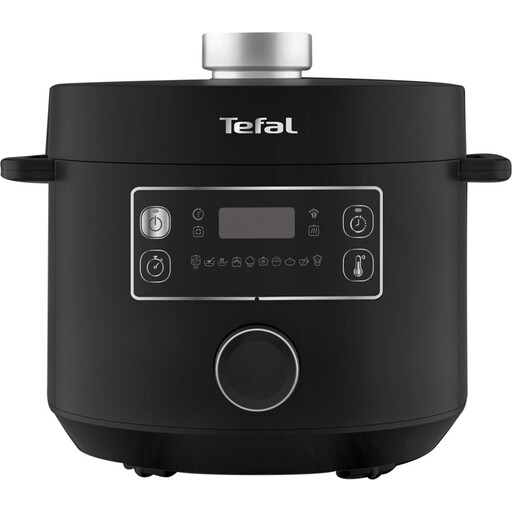 No image available
An option to consider if you’re looking for a pressure-cooking option and the stated capacity suits your portions.
The product name lists a capacity of 5 L; the product information mentions 10 automatic programmes. Don’t force the lid open while the pot is under pressure and follow the pressure-release instructions.
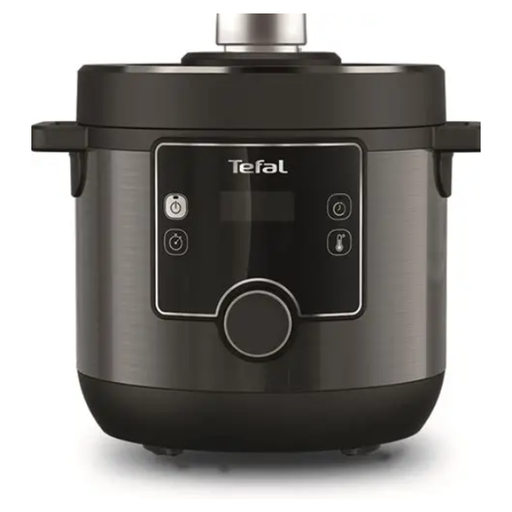 No image available
An option to consider if you want to switch between pressure cooking, slow cooking and sautéing.
The product name lists a capacity of 6 L and 15-in-1 functions. Lock the lid for pressure cooking and wait until the pressure has been released before opening it.
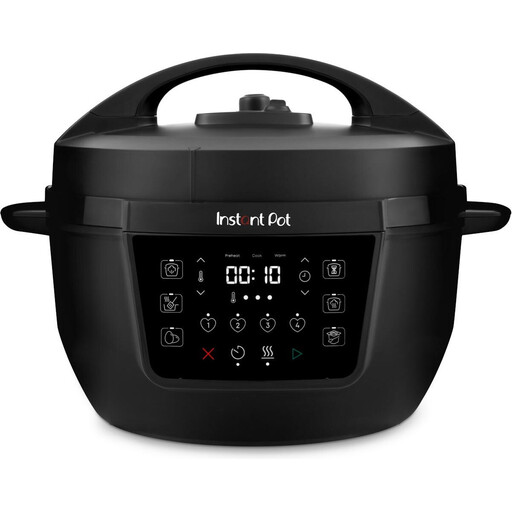 No image available
An option to consider if you’re looking for a larger capacity and a choice of cooking methods.
The product name lists a capacity of 7.1 L and a stainless steel inner pot. The product information lists pressure cooking, slow cooking and sautéing. Follow the instructions for pressure release and fill markings; don’t force the lid open while the pot is under pressure.
 No image available
An option to consider if you’re looking for a range of cooking settings and a larger stated capacity.
The product name lists a capacity of 7.6 L; the product information mentions 12 programmes, including meat or stew, pressure cooking, slow cooking and sautéing. Don’t open the lid while the pot is under pressure or exceed the stated fill limits.
No, you can also stew slowly in liquid without a pressure-cooking function. Choose a suitable stew or slow-cooking setting if you have time; use pressure cooking when it suits your schedule, and follow the instructions for the exact model.
The Instant Pot manual consulted states that the appliance in question should be placed on a stable, level, non-combustible surface, away from water and sources of heat. Check the placement and steam instructions for the model you choose.
According to Voedingscentrum, cool leftovers within two hours and store them in a sealed container in the fridge at 4 °C or in the freezer. Eat chilled leftovers within two days and heat them thoroughly before eating.
No, you don’t need additional warranty cover to have statutory rights. According to the Dutch Government, there is no fixed statutory warranty period in the Netherlands; contact the retailer if a product is faulty. Compare the terms of any additional cover with your existing rights.
Electrical appliances covered by the EU Low Voltage Directive must meet the applicable safety requirements and carry the CE marking before being placed on the EU market, according to EUR-Lex. A product name or brand on its own doesn’t prove that a specific model meets these requirements; check the information for the exact model.