
Vandaag of morgen in huis

Kwaliteit gegarandeerd

Welkomstaanbiedingen ontgrendelen: GRATIS bezorging | Tot 80% korting | Gratis 30 dagen JoyPlus-proefperiode
Download de app
An appliance that does several jobs sounds appealing. One machine for grilling, baking or mixing saves space and can be handy in a student kitchen, a busy family home or a household without much worktop. However, a multi-functional design doesn't automatically mean a good purchase.
Anyone who only looks at the number of functions or the wattage could end up with an appliance that's difficult to clean, turns out to be too big, or barely gets used after a few weeks. With this guide, you can compare multi-functional kitchen appliances based on verifiable specifications and your everyday cooking habits.
An appliance with five programmes might seem like good value, but ask yourself which functions you'll actually use. A sandwich maker with interchangeable plates is handy if you regularly make paninis, waffles and toasties. For someone who only makes a toastie now and then, a simpler model may be sufficient.
Also pay attention to the accessories. Check whether plates, blades, bowls or measuring cups are included, and whether spare parts are available.
A higher power rating doesn't tell you everything about performance. With a blender, for example, the jug capacity, blade construction and number of speeds are also important. A food processor additionally needs a stable base and suitable accessories for chopping, grating or kneading.
So compare the power with the task you're buying the appliance for. A compact 400-watt blender is designed for smaller portions, while a 900-watt model with a 900 ml jug is better suited to making several smoothies in a row.
Grease, crumbs and batter residue can quickly make an appliance unpleasant to use. Check before you buy whether parts are removable, whether they're dishwasher-safe, and whether the housing should only be cleaned with a damp cloth.
A contact grill or sandwich maker with fixed plates may be quicker to set up, but is often less easy to clean than a model with removable plates. With a deep fat fryer, a pouring spout, basket hanger and cool-touch handles are practical details that make using it much simpler.
First, measure the available space. Don't just look at the dimensions on the worktop, but also at the height of your kitchen cupboards and the space for the cable. Compact kitchen appliances with upright storage are suitable for small kitchens.
When it comes to capacity, consider the number of users:
For cooking plates, a non-stick coating and removability are relevant. Follow the product instructions and don't use a metal scouring pad or metal utensils if they could damage the coating. For blades and cutting discs, rust-resistant materials are practical, but safe storage is also important.
A garlic press, vegetable chopper or other kitchen accessories should feel comfortable in the hand and be easy to wash by hand. Always check the user manual for dishwasher claims. The manufacturer determines which parts are suitable for the dishwasher.
Check that the appliance is suitable for the Dutch electricity grid: typically 220–240 volts and with the correct plug. Also look for a visible CE mark and clear safety instructions.
Hot surfaces, steam vents and blades require extra care. Do not immerse the motor base, plug or cable in water. Do not let children use appliances with heat or sharp parts without supervision.
For many electrical kitchen appliances, a statutory minimum two-year warranty applies within the EU. This is not a substitute for careful use: damage caused by incorrect maintenance or use outside the instructions may be assessed differently.
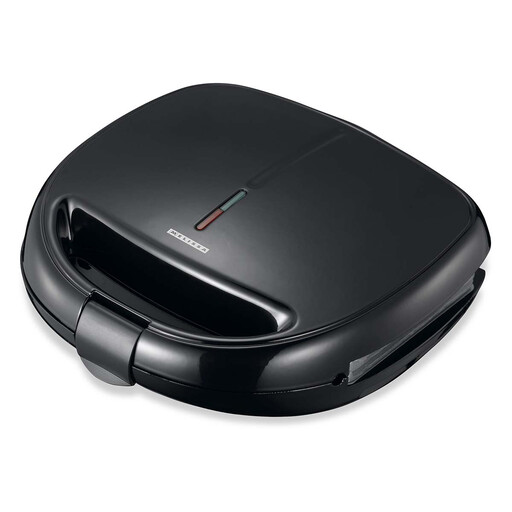
Why this fits the profile: This model combines sandwich, panini and waffle plates in one appliance. With 850 watts, automatic temperature control and upright storage, it suits daily use in a smaller kitchen.
The three interchangeable plates make the functions concrete. The plates are removable and, according to the product information, have a non-stick coating.
850 watts, three plate types, automatic temperature control and a cool-touch handle.
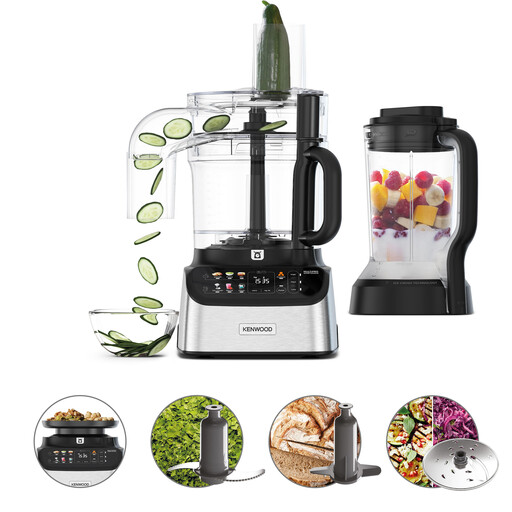
Why this fits the profile: This food processor combines chopping, grating, slicing, kneading and mixing with an integrated scale and a 1,000-watt motor.
The functions are linked to specific accessories, such as a dough hook, slicing and grating disc, and a 1.5-litre blender jug.
3-litre bowl, 1,000 watts, six pre-set programmes and an integrated digital scale.

Why this fits the profile: For households that often make bread or dough, this model offers 20 automatic programmes, a capacity of up to 1,000 grams and a timer of up to 15 hours.
The programmes are clearly specified and the baking pan is removable. This means you don't need a separate appliance for each type of preparation.
700 watts, 20 programmes, automatic dispenser and a one-hour keep-warm function.
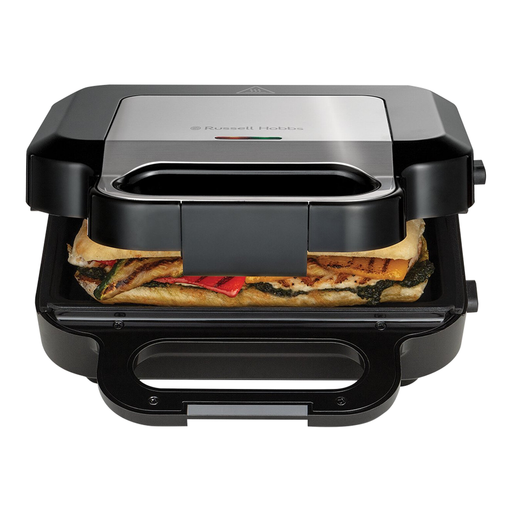
Why this fits the profile: This appliance makes sandwiches, waffles and paninis, and can be stored upright. The three sets of plates are removable.
The functions aren't just programme names: six plates are included, with a non-stick coating and dishwasher-safe design according to the product information.
Three plate types, suitable for two sandwiches, upright storage and a 0.90-metre cable.
We've put together a full, up-to-date list of products that fully meet these strict selection criteria and current European safety regulations.
Before you buy, make a short usage list:
A coffee grinder, toaster, garlic press or vegetable chopper can also be a practical addition if you already own a larger food processor. That way, you won't buy functions you rarely use all over again.
That depends on usage. One appliance can take up less storage space and avoids duplicate accessories, but a multi-functional model may also have a higher power rating. Look at the wattage, the usage time and which functions you actually use.
The lifespan varies by type, frequency of use and maintenance. Let appliances cool down when the manual advises it, clean parts according to the instructions and avoid overloading. Check before you buy whether plates, blades or bowls are replaceable.
Put the appliance on a flat, stable and heat-resistant surface with enough space around the ventilation openings. Do not place appliances with steam or hot surfaces directly under delicate kitchen cupboards, and store cables safely when the appliance is not in use.
