
If you’re starting on the day
You’re starting that morning and want functions for sautéing ingredients before pressure cooking. Total cooking time also depends on how long it takes to build up and release pressure.


If you’re starting on the morning of your lunch, look for a multi-cooker with sautéing and pressure-cooking functions. If you can start earlier, a model with a slow-cook function may suit you. Also compare the permitted fill level and the pressure-release instructions: the stated pot capacity and a programme label alone won’t tell you how much stock you can safely make or how long it will take.
You’re starting that morning and want functions for sautéing ingredients before pressure cooking. Total cooking time also depends on how long it takes to build up and release pressure.
You can start earlier and want to let the stock cook gently using a slow-cook or simmer function.
You want to match the quantity you need to the pot capacity and the fill instructions for your chosen model and programme.
Choose a cooking method that suits your schedule, then check whether the quantity you want to make and the cleaning requirements work for you.
| What matters when buying | What to look for | Who is this important for? |
|---|---|---|
| Ready in time for lunch | Check that the exact model offers both sautéing and pressure cooking. Allow time for pressure to build up and release; the cooking time alone isn’t the total preparation time. | If I’m starting on the morning of lunch, I want to be able to sauté the mushrooms and aromatics in the same pot, then pressure cook them. Around 36% of consumers put getting the timing right first. |
| Letting the stock simmer gently | Check whether the model has a slow-cook or simmer function, and read the instructions for that programme. | If I can start earlier, I want to let the stock cook gently without needing a pressure programme. Around 29% of consumers give gentle cooking top priority. |
| Making enough stock | Work out how much you need and compare it with the fill instructions for stock and your chosen programme, rather than relying on the stated pot capacity alone. | If I’m cooking for several guests, I want to know whether the ingredients and liquid will fit within the fill instructions. Around 21% of consumers put the quantity they need first. |
| Cleaning up after straining | Check which parts you’ll use for your chosen method and consult the manual for cleaning instructions. | After straining, I don’t want to clean more parts than necessary, and I want to know in advance what the manual recommends. Around 14% of consumers give ease of cleaning top priority. |
The stated capacity describes the pot, but doesn’t automatically tell you the permitted fill level for every programme.
First work out how much stock you need, then check the fill instructions for the exact model and programme.
Tefal’s stated speed test is based on potatoes; Philips describes tests using other dishes and ingredients. Those results don’t establish what to expect when making mushroom stock.
Choose based on the available functions and your schedule, not on a promise about the time or taste of stock.
According to the Government of the Netherlands, there is no fixed statutory warranty period in the Netherlands; you’re entitled to a product that works as it should. An additional warranty is separate from that right.
Before paying, compare the additional cover on offer with the rights you already have.
The Duo 5.7 l is described as a multi-cooker with pressure-cooking and slow-cooking functions, for anyone who wants to choose between the two methods.
Tefal says the Turbo Cuisine CY7548, reference CY754830, combines pressure cooking, slow cooking and stir-frying, among other functions.
Philips lists a 6 l capacity for the HD2633/80, along with soup, sauté, pressure-cooking and slow-cooking functions.
According to the manufacturer, the Express CSC051X combines slow cooking, pressure cooking and sautéing.
These models are suited to making mushroom stock using a pressure programme. The product information also lists slow-cook functions for models that support both methods.
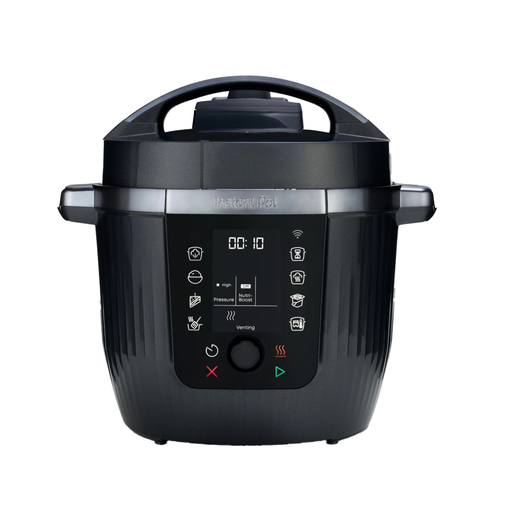 Image unavailable
The listed combination of sautéing, pressure cooking and slow cooking suits both lunch-preparation schedules.
5.7 l; stainless steel inner pot; 10-in-1.
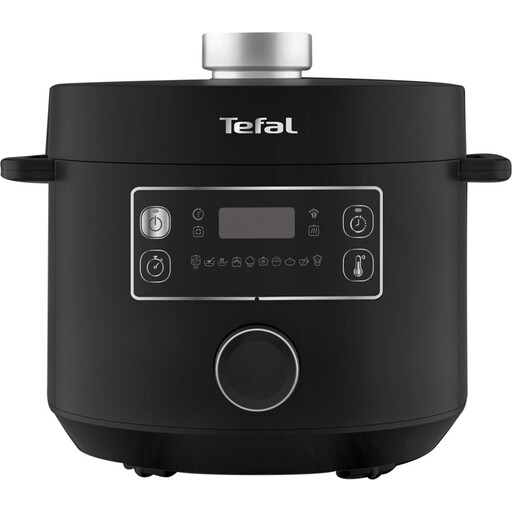 Image unavailable
The CY7548 lists pressure cooking, slow cooking and stir-frying functions, so you can choose a method to suit your schedule.
5 l; ten automatic programmes; ceramic non-stick pot.
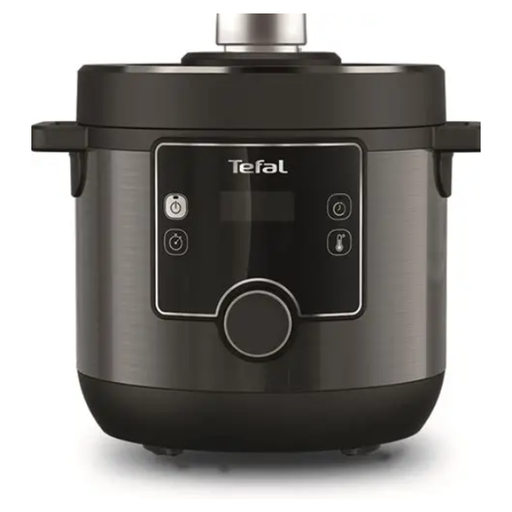 Image unavailable
The product description lists soup-making, pressure cooking, slow cooking and sautéing for different cooking methods.
6 l; 15 functions; digital touch controls.
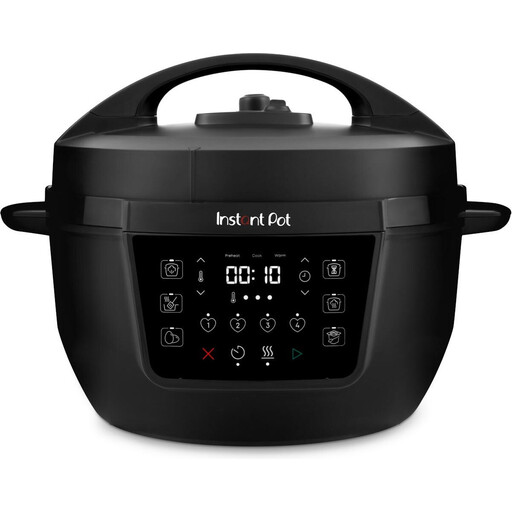 Image unavailable
The listed functions include sautéing, pressure cooking and slow cooking, so you can choose a method to suit your schedule.
7.1 l; stainless steel inner pot.
 Image unavailable
The product description lists a soup and stock programme, as well as pressure-cooking, slow-cooking and sautéing or browning functions.
7.6 l; twelve programmes; soup and stock setting.
No, not necessarily: the models discussed also offer slow-cook functions. Choose based on when you’re starting and follow the instructions for your chosen programme; no specific difference in time or taste for mushroom stock has been established.
Follow the manual for your exact model for the fill limit and instructions on releasing pressure. Philips lists automatic pressure release for the HD2633/80; don’t assume other models have the same function.
According to the Netherlands Nutrition Centre, leftovers should be covered properly and put in the fridge or freezer within 2 hours of cooking. The general advice is to keep leftovers in the fridge for no more than 2 days.
No. According to the Government of the Netherlands, there is no fixed statutory warranty period in the Netherlands. You’re entitled to a product that works as it should, and the retailer is your point of contact if there’s a problem. A manufacturer’s warranty or additional insurance is separate from that right.
According to the Netherlands Food and Consumer Product Safety Authority, products covered by the Commodities Act Decree on Electrical Equipment must carry a CE mark. The stated rules for low-voltage equipment apply to a nominal AC voltage of 50 to 1000 V; check the marking on the specific model.