
Vandaag of morgen in huis

Kwaliteit gegarandeerd

Welkomstaanbiedingen ontgrendelen: GRATIS bezorging | Tot 80% korting | Gratis 30 dagen JoyPlus-proefperiode
Download de app
A packet labelled “zero sugar” or “no added sugar” might seem straightforward at first glance. Yet that front-of-pack claim doesn’t tell you everything about the ingredients, the taste, or whether it suits your diet. If you’re looking for muesli with no added sugar, you’ll probably want fewer hidden sugars, plenty of fibre, and a breakfast that’s convenient to use.
The differences between crunchy muesli, granola, porridge oats and grain products can be significant. Below, you’ll find out what to look for and which products suit different situations.
A product may, according to the packaging, contain no sugar or sweeteners added during production, yet still have naturally occurring sugars. You’ll see this, for example, with fruit, grains and other plant-based ingredients.
So always check the nutritional information table. For instance, Quaker Cruesli Nuts Zero Sugar lists 3.5 grams of sugar per 100 grams. The ingredients list mentions no added sugar or sweeteners, but the product isn’t completely sugar-free.
Granola with nuts and seeds is often low in sugar, but can be relatively high in fat and energy. That’s not automatically a bad thing, but it is relevant if you’re watching your portion sizes. Holie's Granola Low Carb Crunch contains 490 kcal, 33 grams of fat, 18 grams of carbohydrates and 16 grams of fibre per 100 grams.
So don’t just look at the “of which sugars” line. Also compare energy, fats, carbohydrates, protein and fibre.
Some products with no added sugar don’t use sweeteners, while others do contain polyols. For example, the Hero B'Tween Muesli Bar Zero White Chocolate contains maltitol and 42 grams of polyols per 100 grams. The product information also states that excessive consumption may have a laxative effect.
Also, granola with no added sugar isn’t automatically vegan, gluten-free or suitable for those with a nut allergy. The ingredients and allergen information should always be your guide.
Ingredients are listed in descending order by quantity. First, look at the base: do the first ingredients consist of wholegrain oats, wheat, seeds or nuts? Then check the nutritional values per 100 grams so you can compare products fairly.
For a high-fibre muesli, you can compare the fibre content side by side:
The best choice depends on your overall diet, portion size and taste preference. A high fibre content doesn’t automatically make a product right for everyone.
If you’re looking for low carb granola, you need to check the total amount of carbohydrates, not just the sugar. The Holie's granola lists 18 grams of carbohydrates per 100 grams. That’s lower than the 47 to 48 grams of carbohydrates per 100 grams in the Quaker varieties mentioned.
Also look out for terms like maltitol, sorbitol or other polyols. A product may be low in sugar because of these, but it can taste and feel different from a classic muesli. For cruesli zero sugar with no added sweeteners, the Quaker Nuts and Choco varieties are examples where the product description explicitly states no added sugars and no sweeteners.
Oats are not the same as gluten-free oats. Products containing wheat, spelt, barley or rye are not suitable for a gluten-free diet. Also check for warnings about possible cross-contamination.
Gluten-free little millet is a different grain choice. According to the product information, Nitya Little Millets consists of little millet and is described as gluten-free. However, it is packed in a facility that also processes nuts, dairy and wheat. If you need to strictly avoid allergens, always check the current packaging.
For convenience, there are also options like instant porridge oats in individual sachets. These are quick to prepare with hot water, but they may contain different ingredients to traditional porridge oats. So check the amount of sugar, salt, milk solids and any added glucose.
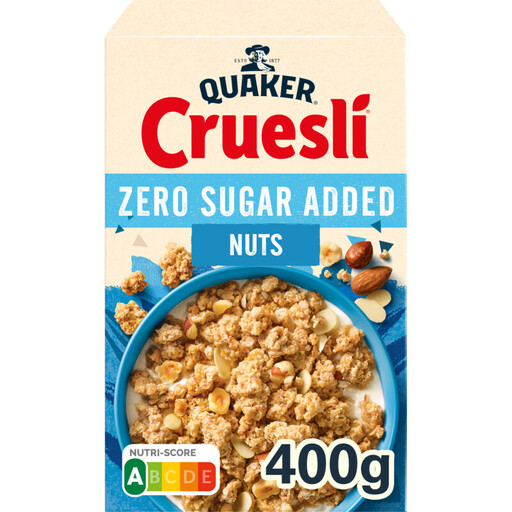
Why it fits this profile: A familiar crunchy muesli for everyday breakfast with yoghurt, milk or a plant-based alternative.
The product information states no added sugars and no sweeteners. Do check the natural sugars and portion size.
20 grams of fibre and 9.1 grams of protein per 100 grams; made with wholegrain oats, wholegrain wheat, almonds and hazelnuts.
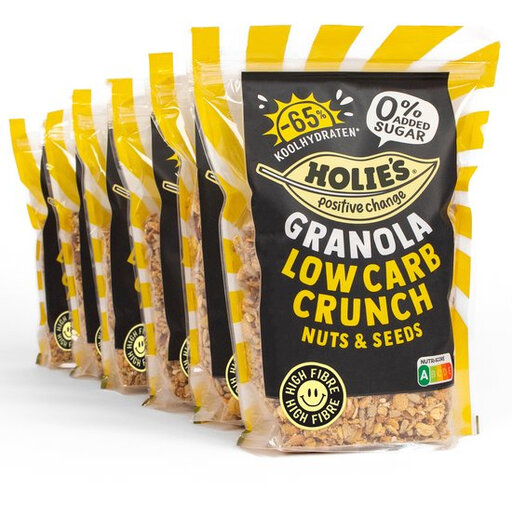
Why it fits this profile: The multi-pack is practical for households that eat granola regularly and want a lower carbohydrate content.
The lower carbohydrate claim can be verified in the table: 18 grams of carbohydrates and 3.2 grams of sugars per 100 grams.
16 grams of fibre, 22 grams of protein and 0.01 grams of salt per 100 grams. Contains nuts, soya, peanuts, wheat, spelt, oats and barley.
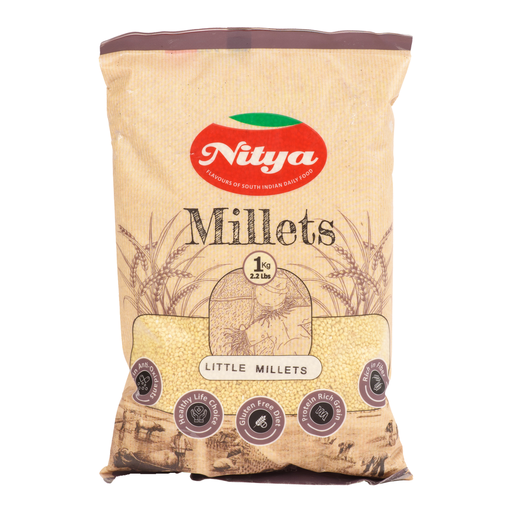
Why it fits this profile: For those who want to vary their diet with a gluten-free grain for porridge, salads or dishes instead of standard muesli.
The ingredients list consists of little millet. The product is packed in an environment where wheat, dairy and nuts are also processed.
1 kilogram pack, 1 gram of sugar and 5 grams of fat per 100 grams. Rinse first and ideally soak before cooking.
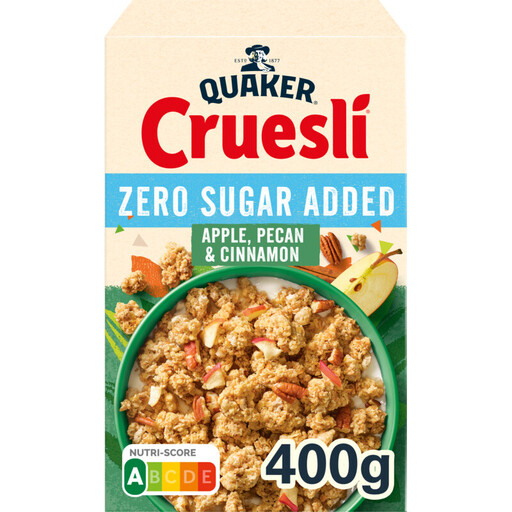
Why it fits this profile: The combination of apple, pecan and cinnamon adds variety to a breakfast with yoghurt or a plant-based alternative.
The product description states no added sugars and no sweeteners. The nutritional information does list 5 grams of sugars per 100 grams.
24 grams of fibre and 7.5 grams of protein per 100 grams. The product information states that this variety is suitable for vegans.
We’ve put together a full, up-to-date list of products that fully meet these strict selection criteria and comply with current European safety regulations.
No. “No added sugar” means that, according to the product information, no sugar has been added during production. The product may still contain natural sugars. So always check the nutritional information table and ingredients list.
Compare the total carbohydrates per 100 grams. Holie's Granola Low Carb Crunch lists 18 grams of carbohydrates per 100 grams. That’s lower than several crunchy muesli varieties. Also bear in mind the higher energy and fat content, and allergens such as nuts, soya and gluten.
A muesli bar is mainly handy as a snack. The Hero B'Tween bar contains 42 grams of polyols, 5 grams of fibre and 0.31 grams of salt per 100 grams. The individual wrapper and 68 kcal per bar make it practical for on the go, but a bar doesn’t automatically replace a full breakfast. If you’re sensitive to polyols, check the warning on the packaging.
