
Vandaag of morgen in huis

Kwaliteit gegarandeerd

Welkomstaanbiedingen ontgrendelen: GRATIS bezorging | Tot 80% korting | Gratis 30 dagen JoyPlus-proefperiode
Download de app
Looking for muesli with no added sugar, but finding it hard to tell the difference between terms such as “zero sugar”, “light” and “naturally sweetened”? That’s understandable. A product can contain no added sugar and still contain naturally occurring sugars. Sweeteners, syrups or concentrated fruit ingredients can also affect the flavour and nutritional values.
This buying guide helps you compare muesli and muesli bars in a practical way. You’ll see what to look out for when choosing crunchy muesli, muesli with chocolate, muesli with nuts and high-protein varieties.
The claim no added sugar does not automatically mean that a product contains no sugar. Sugars can occur naturally in ingredients such as grains, fruit or milk products. Always check the nutrition table, especially the line marked of which sugars.
The term sugar-free muesli also requires extra attention. Under European labelling rules, “sugar-free” is a specific nutrition claim with a very low threshold. A product containing 1.5 or 3.4 grams of sugar per 100 grams is therefore not automatically sugar-free, even if there is no added sugar in the ingredients list.
Some muesli bars with no added sugar use polyols such as maltitol. This can lower the sugar content, but it does not automatically make a bar suitable for everyone. For example, the Hero B’Tween Zero bar states that excessive consumption may have a laxative effect. Read the warning on the packaging and take your personal tolerance into account.
Where possible, compare nutritional values per 100 grams and per portion. A muesli may be high in fibre or protein per 100 grams, but a small portion will naturally provide less. Also check the order of the ingredients: those listed first are generally present in the greatest quantities.
Check these three points:
According to the product information, Quaker Cruesli Choco Zero Sugar contains no added sugar and no sweeteners. The nutritional information states 3.4 grams of sugar per 100 grams. These are naturally occurring sugars, so this does not prove that the product is completely sugar-free.
If you’re looking for high-fibre muesli, you can compare the fibre content directly. Some examples from the product information include:
A high protein content often comes from ingredients such as wheat protein, peanut flour or nut flour. This does not automatically make a variety vegan or gluten-free. Always check the full ingredients list.
For families and people with allergies, the label is at least as important as the flavour. Look out for:
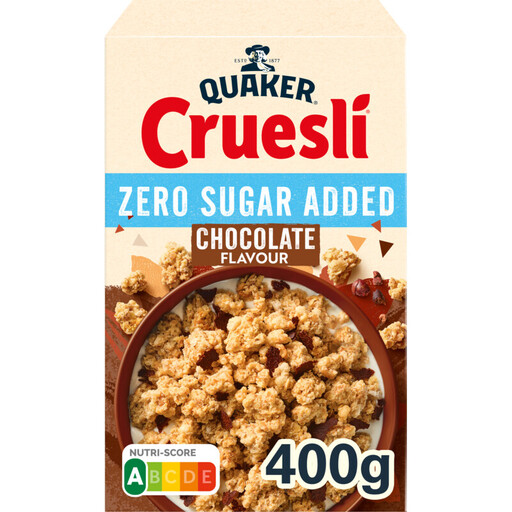
Why it suits this profile: An accessible crunchy muesli with a cocoa flavour for anyone who wants to compare the ingredients list and nutritional values at a glance.
The product information states that it contains no added sugar and no sweeteners. It does contain naturally occurring sugars: 3.4 grams per 100 grams.
21 grams of fibre per 100 grams, 8.7 grams of protein and 0.09 grams of salt according to the nutritional information provided.
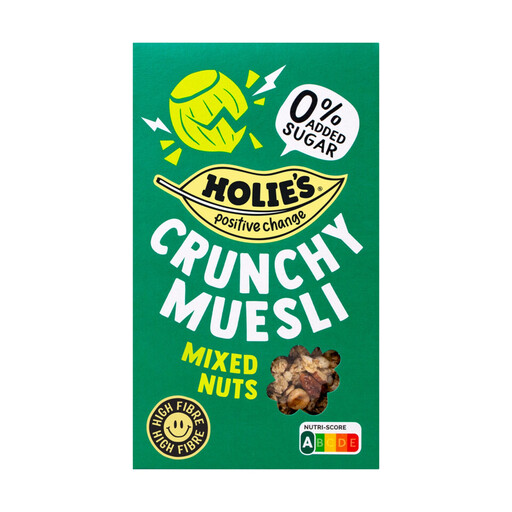
Why it suits this profile: For anyone who values a clearly defined nut blend and a crunchy texture without added sugar.
The product description states 0% added sugar; the table lists 2.4 grams of sugar per 100 grams. Nuts and possible traces are clearly indicated.
Contains almonds, hazelnuts, pecans and Brazil nuts; it also provides 21 grams of fibre and 11 grams of protein per 100 grams.
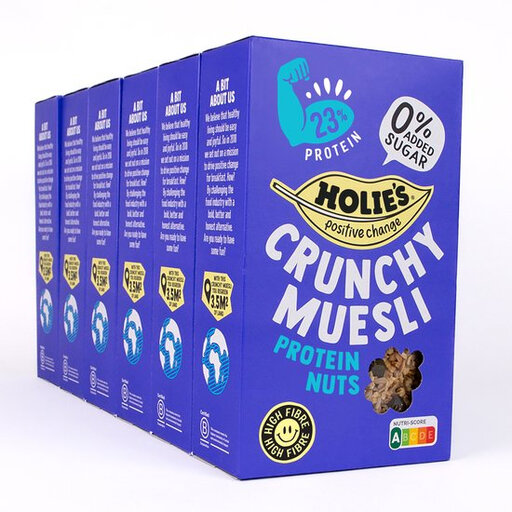
Why it suits this profile: A multipack for households or active people who regularly eat high-protein muesli.
The protein claim is supported by a stated value of 22 grams per 100 grams. However, the product contains wheat, gluten, almonds and hazelnuts.
The product information states 0% added sugar, 21 grams of fibre and 2.1 grams of sugar per 100 grams.
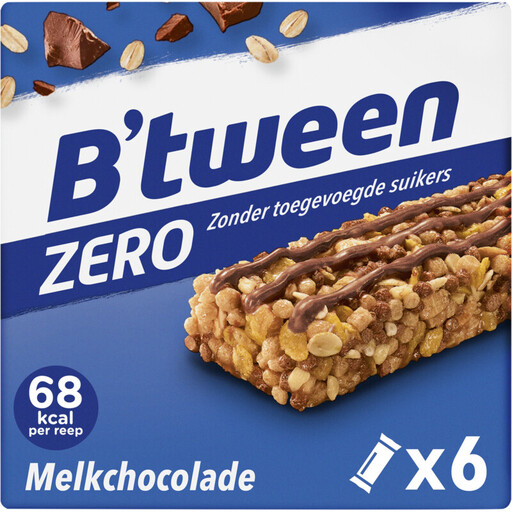
Why it suits this profile: Individually wrapped bars are practical for work, school bags or a day of travelling when a bowl of muesli isn’t convenient.
According to the product information, the bar contains no added sugar, but it does contain maltitol and 1.5 grams of sugar per 100 grams. Excessive consumption may have a laxative effect.
Six individually wrapped bars; the information provided states 68 kcal per bar, 5.3 grams of fibre and 7.3 grams of protein per 100 grams.
We’ve put together a complete, up-to-date list of products that fully meet these strict selection criteria and the applicable European safety regulations.
No. Fruit, grains and other ingredients may contain naturally occurring sugars. Check the nutrition table and compare the number of grams of sugar per 100 grams. Also look out for syrups, honey, date concentrate and other sweetening ingredients.
Check the protein value per 100 grams and per portion. Holie’s Crunchy Muesli Protein Nuts lists 22 grams of protein per 100 grams. The final amount in your breakfast depends on the portion size and what you add, such as yoghurt or a plant-based alternative.
They can be practical thanks to their individual packaging. However, check the type of sweetener, the allergens and the portion size. For bars containing polyols such as maltitol, it’s sensible to follow the warning on the packaging. That way, you’re choosing based not only on convenience but also on what’s inside.
