
Vandaag of morgen in huis

Kwaliteit gegarandeerd

Welkomstaanbiedingen ontgrendelen: GRATIS bezorging | Tot 80% korting | Gratis 30 dagen JoyPlus-proefperiode
Download de app
A bar for on the go, at work or after exercise seems like a simple purchase. Yet muesli bars, cereal bars and protein bars can vary considerably in ingredients, portion size and allergens. The eye-catching front of the packaging does not always tell the whole story.
Pay particular attention to three common pitfalls:
The table per 100 grams is useful for comparing products. For everyday use, however, the portion size is also important. A bar weighing 25, 30, 50 or 60 grams gives you a different picture of its calories, carbohydrates, fats and protein.
Look out for:
For example, a product with little sugar may contain relatively high levels of polyols. According to the product information, Hero B’tween Zero carries a warning that excessive consumption may have a laxative effect. That does not automatically make these bars unsuitable, but it is worth bearing in mind if you plan to eat several bars in one day.
Ingredients are generally listed on the label in descending order by quantity. If oats, wholemeal flour, nuts or high-fibre ingredients appear near the top, they make up an important part of the recipe. Also look out for:
A bar containing nuts and seeds may have more fat than a classic cereal bar. That is not necessarily a disadvantage, but it does affect the energy value. For example, Zonnatura Organic Nut Bar contains peanuts, almonds and agave syrup, and lists 34 grams of fat and 24 grams of sugars per 100 grams.
Always check the allergens highlighted in bold on the packaging. Many muesli bars contain oats, wheat, barley, milk, soya, peanuts or other nuts. “Gluten-free bars” require extra attention: check that the product and its packaging actually carry this claim. The product information supplied for some bars contains contradictory allergen information. If in doubt, use the current label as your guide.
For children at school or in the office, a nut-free option may be important. For sportspeople, protein content and portion size may matter more than organic certification. There is therefore no one-size-fits-all choice; the occasion determines which specifications are most important.
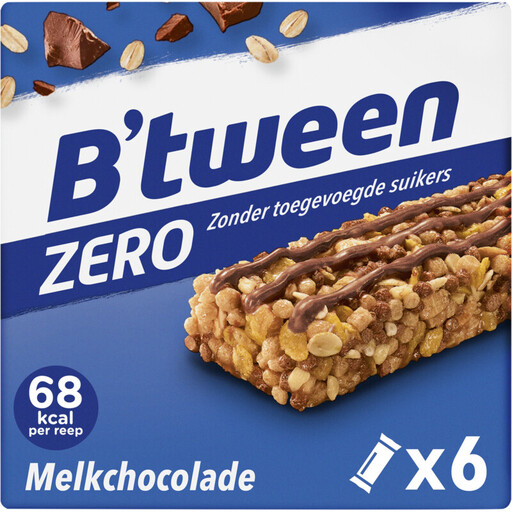
Why it suits this profile: A multipack of individually wrapped bars for home, work or keeping in your bag when you are out and about. The product information states that each bar contains 68 kcal.
The nutritional information distinguishes between sugars and polyols. It lists 1.5 grams of sugar and 42 grams of polyols per 100 grams, so “no added sugar” is not the same as sugar-free.
6 individually wrapped bars; 7.3 grams of protein and 5.3 grams of fibre per 100 grams according to the product table.
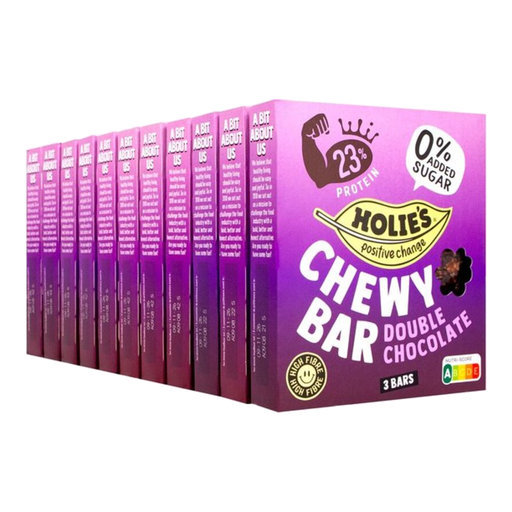
Why it suits this profile: A compact chocolate bar with a comparatively high stated protein and fibre content for anyone who actively compares nutritional values.
The values are clearly stated per 100 grams: 23 grams of protein, 21 grams of fibre and 2.9 grams of sugars. However, the ingredients list does include wheat, spelt, barley and hazelnuts.
According to the product information, 0% added sugar; 23% protein and 21% fibre per 100 grams.

Why it suits this profile: Designed for sportspeople and users who want to take a high-protein snack with them. The bar weighs 50 grams.
The product table lists 50 grams of protein per 100 grams, equivalent to 25 grams per bar according to the product description. It also lists 1.4 grams of sugar per 100 grams and 1.3 grams of fibre.
25 grams of protein per bar according to the product information; 179 kcal per 50 grams. Contains milk, soya and gluten-containing cereals.
We have put together a complete, up-to-date list of products that fully meet these strict selection criteria and the applicable European safety regulations.
Choose individually wrapped bars if you keep them in a work bag, gym bag or school bag. Check the best-before date and store the packaging according to the label, usually in a cool, dry place away from direct sunlight.
For a snack during exercise, portion size, carbohydrates and protein are often more important than a claim on the front of the pack. At home, a multipack with different flavours may offer better value. If you are looking for organic bars, nut bars or bars with no added sugar, it is worth comparing the certification, ingredients and nutritional value side by side.
That depends on the ingredients and your overall diet. Compare the amount of sugar, fibre, protein, fat and salt per portion. A bar that is high in fibre or protein may suit your particular occasion, but it is not automatically the right choice for everyone.
In the selected range, Xxl Nutrition High Protein Bar Chocolate lists 50 grams of protein per 100 grams and 25 grams per bar according to the product description. Holie’s Double Chocolate lists 23 grams of protein per 100 grams. Always check the current label, particularly when portion sizes differ.
The shelf life is stated on the packaging. Store unopened bars in a cool, dry place away from direct sunlight. Do not use a bar if the packaging is damaged, and follow the manufacturer’s storage instructions.
