
Vandaag of morgen in huis

Kwaliteit gegarandeerd

Welkomstaanbiedingen ontgrendelen: GRATIS bezorging | Tot 80% korting | Gratis 30 dagen JoyPlus-proefperiode
Download de app
Muesli bars and granola might seem straightforward to compare at first glance. However, packaging can give a misleading impression. A product labelled “no added sugar” isn’t automatically sugar-free, a bar containing oats isn’t always gluten-free, and a large pack isn’t necessarily better value per serving.
If you’re looking to buy granola or muesli bars, it’s wise to start by checking the ingredients list, nutritional values and allergens. That way, you’ll find the right choice for home, on the go, at work or after exercise.
With sugar-free granola, you need to look carefully at exactly what the packaging states. “0% added sugar” means that, according to the product information, no extra sugar has been added. The product can still contain naturally occurring sugars or be sweetened with, for example, dates, syrups or sweeteners.
Always compare the of which sugars line per 100 grams. For instance, the Hero B'Tween Muesli Bar Zero White Chocolate shows 1.7 grams of sugar per 100 grams, but also 42 grams of polyols. The packaging also notes that excessive consumption may have a laxative effect. That’s relevant information if you eat several bars a day.
“High-fibre snacks” and protein-rich granola can be handy as part of your diet, but the content varies greatly from product to product. Look at the nutritional values per 100 grams and the weight of one serving.
The Bites We Love Chewy Oat Bars Chocolate list 29 grams of fibre and 9 grams of protein per 100 grams. A 30-gram bar provides 8.6 grams of fibre and 2.7 grams of protein, according to the product information. With granola, a serving is often smaller than you might think, meaning the amount per bowl is lower than the figures on the front suggest.
Muesli bars and granola often contain oats, wheat, barley, milk, soya, peanuts or nuts. Even products with a prominent dietary claim may carry warnings for possible traces.
If you have an allergy, always check the label on the packaging you receive. Product information can change, and some details in an online description may contradict each other. MadeGood products, for example, are described as containing gluten-free oats, yet some listings still show “gluten” as an allergen. When in doubt, use the packaging as your reference.
Use the nutrition table to compare products fairly. Pay particular attention to:
A granola with fewer carbohydrates may, for example, be relatively high in fat and calories due to nuts and seeds. That doesn’t automatically make it unsuitable, but it does make it important to consider the serving size.
Ingredients are listed in descending order by weight. If sugar, syrup or chocolate appears near the top, it makes up a relatively large proportion. With granola containing nuts and seeds, check how much is actually present.
Holie’s Granola Glutenfree Peanut Chocolate contains, according to the product information, 44% gluten-free wholemeal oats, 17% sunflower seeds and 9% peanut butter. The nutritional values show 14 grams of fibre and 15 grams of protein per 100 grams. On the flip side, the product contains peanuts and may contain traces of other nuts and soya.
For on the go, individually wrapped bars are practical. The Hero Coconut Muesli Bar contains six 25-gram bars. The product description mentions oats, wheat, barley, coconut and milk chocolate, and states that the bars are individually wrapped.
For home use, a bag of granola can be better value. Check that the packaging is resealable and store the product in a cool, dry place, away from direct sunlight and moisture. This keeps crunchy breakfast cereals pleasant in texture for longer.
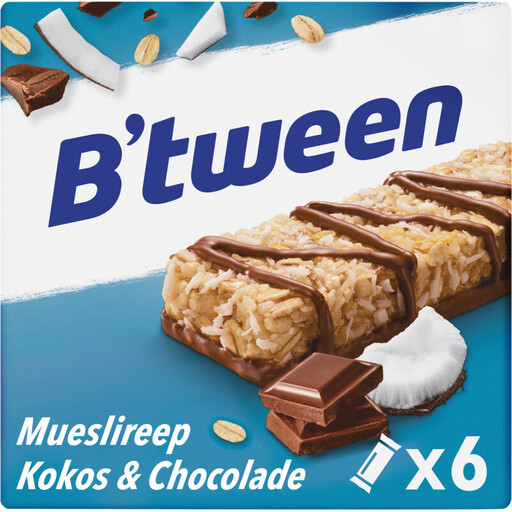
Why this fits the profile: Six individually wrapped 25-gram bars are easy to manage for school, the office or a bag on the go. The combination of coconut and milk chocolate is approachable for anyone buying muesli bars for the first time.
The serving size is clearly stated. Do note the listed 28 grams of sugars and allergens such as milk, wheat, barley and possible nuts and peanuts.
6 x 25 grams, individually wrapped and, according to the product description, free from preservatives and artificial colours.

Why this fits the profile: This crunchy granola is designed for those who pay close attention to carbohydrates, protein and fibre, and who enjoy combining chocolate, seeds and nuts at breakfast.
The product information shows concrete values rather than just a front-of-pack claim: 26 grams of carbohydrates, 21 grams of protein and 28 grams of fibre per 100 grams. It does contain soya, hazelnuts and almonds.
350 grams, 21 grams of protein and 28 grams of fibre per 100 grams according to the product table; no added sugar according to the product description.
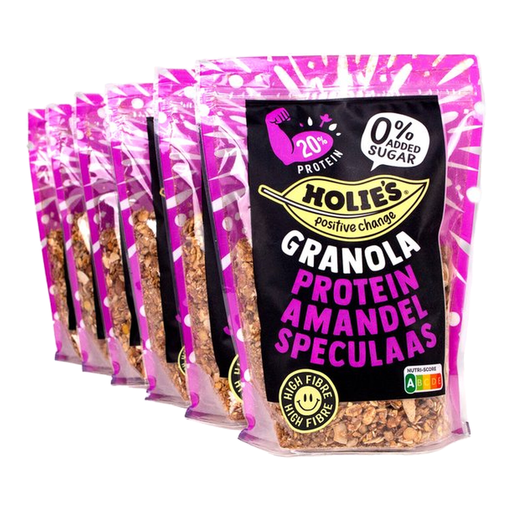
Why this fits the profile: The combination of 20 grams of protein, 14 grams of fibre and speculaas spices suits active adults who want a steady supply for breakfast or snack times.
The product table makes the protein and fibre values verifiable. Do check the allergens: the product contains soya, barley, oats, spelt, peanuts and almonds.
6 bags of 350 grams, 20 grams of protein and 14 grams of fibre per 100 grams according to the product information.
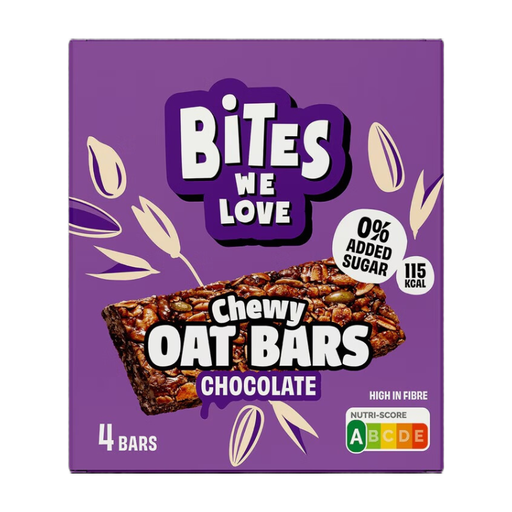
Why this fits the profile: These soft oat bars are individually portioned for on the go. The product information lists gluten-free wholemeal oats and only oats as an allergen; check the packaging if you have a severe allergy.
According to the table, the bar contains 2.9 grams of sugars per 100 grams. The clear ingredients list also mentions seeds, quinoa and cocoa products rather than just a general claim.
4 bars, 115 kcal per 30-gram serving and 8.6 grams of fibre per serving according to the product information.
We’ve put together a full, up-to-date list of products that fully meet these strict selection criteria and comply with current European safety regulations.
That depends on the product and when you’re eating it. Use the serving size on the packaging as a starting point and compare it with the values per 100 grams. A kitchen scale helps prevent a small bowl from unknowingly containing multiple servings.
Check the best-before date on the packaging. Store both products according to the label in a cool, dry place, away from heat and moisture. Seal an opened bag of granola tightly. Individually wrapped bars are generally practical for stocking up, as long as the packaging remains undamaged.
Always check the official ingredients and allergen information. A product described as vegan may still contain traces of certain allergens. For gluten-free granola, both the “gluten-free” claim and the allergen information and packaging are important. Brand claims are no substitute for checking the current label.
