
Same-day & Next-day Delivery

Quality Guaranteed

Unlock Your Welcome Offers: FREE Delivery | Up to 80% OFF | Free 30-day JoyPlus trial
Download the APP
Muesli and granola may seem easy to compare at first glance. Yet small differences in ingredients, serving size and allergens can mean that a product is less suitable for you than expected. A crunchy breakfast with nuts, for example, is not automatically low in sugar, while “no added sugar” does not mean that a product is sugar-free.
In this buying guide from the Joybuy Product Recommendation Officer, you will find practical considerations for breakfast cereals, bars and snacks. The selection is based on verifiable information from product descriptions and nutrition tables.
Dried fruit naturally contains sugar. A muesli with raisins, apricots or apple can therefore have a relatively high sugar content without any sugar having been added. Always check two separate details:
According to the product information, B+ Muesli Nuts and Fruit contains 20.8 grams of sugar per 100 grams and lists 0 grams of added sugar. The sugars come partly from 22% dried grapes and dried apricots.
“High in protein”, “whole grain” and “organic” only tell you something when considered alongside the full composition. For example, according to the product description, Holie’s Crunchy Muesli Protein Nuts contains 22 to 23 grams of protein and 19 to 21 grams of fibre per 100 grams, but also contains wheat protein, gluten, almonds and hazelnuts.
According to its product description, TastyBasics Granola Chocolate & Nuts contains 21 grams of protein and 28 grams of fibre per 100 grams. The ingredients list includes, among other things, soya flakes, oats, chicory-root fibre, linseed and nuts. This may appeal to anyone specifically looking for a high-protein granola, but it may be unsuitable for people with a soya or nut allergy.
Nutritional values are usually listed per 100 grams, while in practice you eat a bowlful or a bar. Granola often contains more fat and energy than standard whole-grain breakfast cereals. Multipacks may also seem cost-effective, but they are less convenient if you have not tried a particular flavour before.
Always check:
If you are looking for whole-grain breakfast cereals, pay attention to the first ingredients listed. According to the product information, Brinta Whole Wheat Cereal Breakfast consists of 100% whole wheat and contains 10 grams of dietary fibre and 14 grams of protein per 100 grams. The product does contain wheat and gluten.
Muesli often combines oat, rye, barley and wheat flakes. B+ Muesli Nuts and Fruit lists 9 grams of fibre per 100 grams. The combination of seeds and dried fruit creates a different texture from a smooth, warm porridge.
A product labelled “no added sugar” may still contain naturally occurring sugars. According to the product information, Hero B’Tween Zero Muesli Bar with Milk Chocolate combines its low-sugar claim with 42 grams of polyols per 100 grams. The packaging warns that excessive consumption may have a laxative effect.
Do not compare the sugar figure alone. Also check whether the product contains maltitol, glycerol, syrup, dates or agave syrup. According to the product description, Zonnatura Organic Nut Bar with Apple and Cinnamon is sweetened only with agave syrup, but contains 24 grams of sugar per 100 grams.
For fruit muesli, nut granola and gluten-free snacks, the allergen list is decisive. Many products contain oats, wheat, milk, peanuts, soya or various nuts. If you have an allergy, always check the current packaging; information on a webshop may change.
Madegood Granola Mixed Berry is described in the product information as organic and made with gluten-free oats. The same information also includes an allergen warning. Before purchasing, therefore, check what is stated on the current packaging, particularly when cross-contamination is a concern.
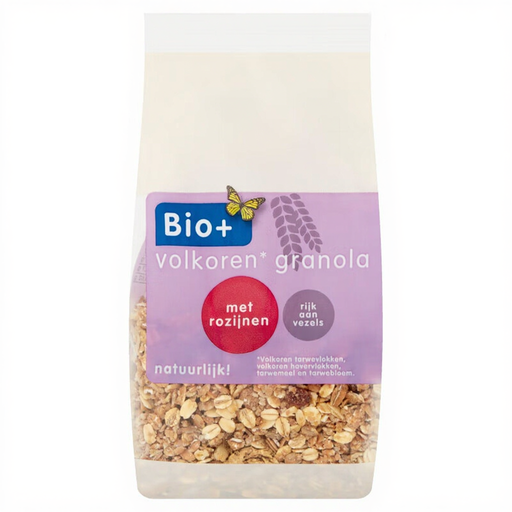
Why This Fits Their Persona: An accessible choice for anyone looking for an organic base for yoghurt or milk without committing to a large multipack.
The product information does not mention added artificial ingredients, but the nutritional information does list 20.5 grams of sugar per 100 grams. Comparing products therefore remains important.
Organic ingredients, 9.3 grams of fibre per 100 grams and a 350-gram pack.
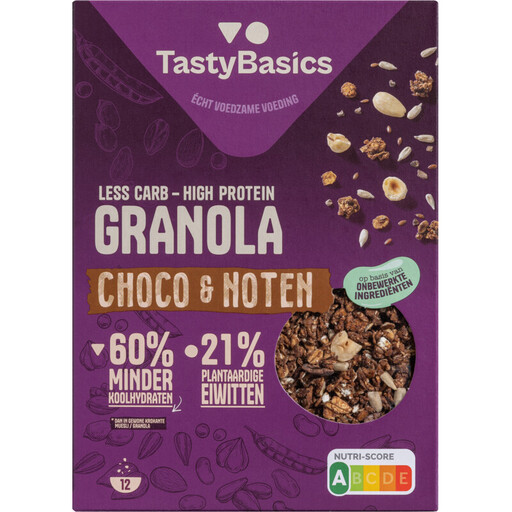
Why This Fits Their Persona: Suits adults who want to combine a crunchy breakfast with chocolate, seeds and nuts alongside higher protein and fibre values.
The “no added sugar” claim is supported by a full ingredients list and nutrition table. However, the product contains soya, oats, hazelnuts and almonds.
According to the product information: 21 grams of protein, 28 grams of fibre and 6.8 grams of sugar per 100 grams.
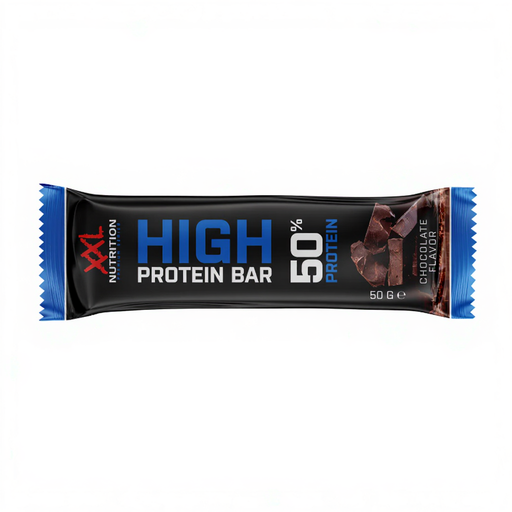
Why This Fits Their Persona: A compact option for commuting, work or around a workout when an individually wrapped bar is the practical choice.
The product page specifies the amount per bar: 50 grams with 25 grams of protein. Be sure to check the declarations for milk, soya, peanuts and gluten.
According to the product information: 179 kcal, 25 grams of protein and 0.7 grams of sugar per bar.
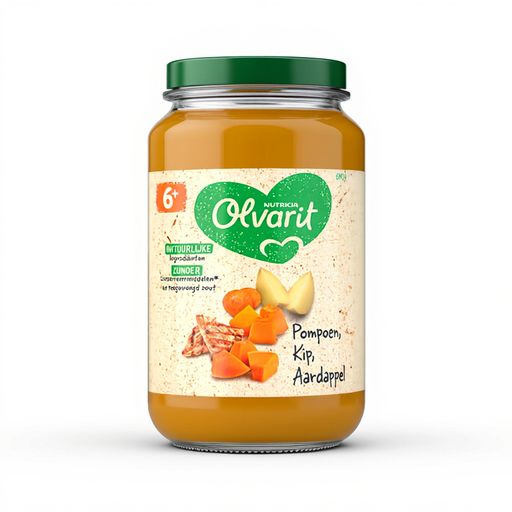
Why This Fits Their Persona: Designed for parents looking for baby food suitable from 6 months, in a 200-gram portion.
The age recommendation is provided in the product information. Before use, always check the current packaging, texture, ingredients and storage instructions.
According to the ingredients list: 43% pumpkin, 8% chicken and 8% potato; the product details state that it contains no added salt.
For a quick snack, muesli bars are convenient because they are individually wrapped. Hero Coconut Muesli Bar contains 6 bars of 25 grams each, but lists 28 grams of sugar per 100 grams. Bolletje Cereal Bars with Sweetened Dried Cranberries contain 9 bars and 14 grams of fibre per 100 grams, but also include sugar and sweetened dried cranberries.
Babies have different nutritional needs from adults. According to the product information, OLVARIT Fruit Snack Pear Apple Yogurt is suitable from 8 months and contains milk. De Kleine Keuken Organic Fruitjes with Apricots is intended for children from 12 months. An age recommendation does not replace checking the packaging or seeking personal advice if you have any doubts.
Browse a current selection of products across breakfast cereals, snacks and baby food. Compare ingredients, allergens, nutritional values and pack sizes for each product.
Muesli usually consists of unbaked flakes, nuts, seeds and dried fruit. Granola is generally baked or toasted until crisp and may contain oil, syrup or other binding ingredients. The exact composition varies by brand, so always check the label.
No. Dried fruit, dates and other ingredients can naturally contribute sugars. Check both the ingredients list and the nutritional value per 100 grams. Sweeteners such as maltitol also have specific properties that are stated on the packaging.
Store an opened pack in a cool, dry place, tightly sealed and away from sunlight and moisture. Check the best-before date and do not use a product if its packaging is damaged. With baby food, you must also follow the storage instructions after opening precisely.
