
Vandaag of morgen in huis

Kwaliteit gegarandeerd

Welkomstaanbiedingen ontgrendelen: GRATIS bezorging | Tot 80% korting | Gratis 30 dagen JoyPlus-proefperiode
Download de app
Mouthwash can be a practical addition to brushing and cleaning between your teeth. However, not every mouth rinse is the same. The differences lie in fluoride, alcohol, flavour, dosage, age recommendations and volume. If you only pay attention to terms like “fresh breath” or “complete care”, you may end up paying for features that don’t suit your needs.
In this buying guide from the Joybuy Product Recommendation Officer, you’ll discover what to look for when choosing a mouthwash. Afterwards, you’ll find a selection of products for different situations.
A sharp mint or alcohol taste can give an intense clean feeling, but it says nothing about the formulation or its intended purpose. If you’re sensitive to a tingling sensation, it’s better to look for mild mouthwash or an alcohol-free formula. Always check the ingredients and usage instructions on the packaging.
Brands sometimes mention percentages, durations or multiple benefits at once. Such claims don’t automatically apply to every user. According to the brand’s own research or product information, certain formulas may, for example, help with plaque, bad breath or gum care. Treat this as product information, not personal health advice.
Pay particular attention to verifiable details:
A bottle of mouthwash 500 ml may seem good value, but usage depends on the recommended dose. At 20 ml per rinse, a bottle contains roughly 25 doses. A 250 ml pack is more convenient if you want to try a variant first or have limited bathroom space. For multiple users or daily use, multipacks can be more practical.
A fluoride mouthwash contains a fluoride compound that, according to the product information, is intended as a supplement to your daily oral care. In the provided specifications, Listerine Mild and Mint, for example, lists sodium fluoride at 220 ppm F. Listerine Extra Mild, Aquafresh Daily and Sence Freshmint also mention fluoride.
Don’t use mouthwash as a replacement for brushing your teeth. Also pay attention to the age limit and follow the dosage on the packaging. If you’re unsure about your individual situation, a dentist can advise on which products are suitable.
An alcohol-free mouthwash can be a logical choice if you’re looking for a milder formula. In the product specifications, Listerine Extra Mild, Aquafresh Daily, Sence Freshmint and Marvis Anise Mint are listed as alcohol-free. Listerine Essentials Cool Mint and various Total Care variants, on the other hand, list alcohol as an ingredient.
Watch out for contradictory online descriptions: it’s best to check the current product packaging and ingredients list. A fresh or strong taste doesn’t prove whether a product contains alcohol.
Mint is the most common flavour, but the intensity varies. Mild and Mint and Extra Mild are aimed at a gentler experience; Cool Mint, Arctic Mint and Freshmint have a clear mint profile. Marvis offers different flavour combinations with Cinnamon Mint and Anise Mint.
The recommended amount varies by product. Examples from the product information include:
Spit out the mouthwash and do not swallow it. Keep it out of reach of children and check the age warning.
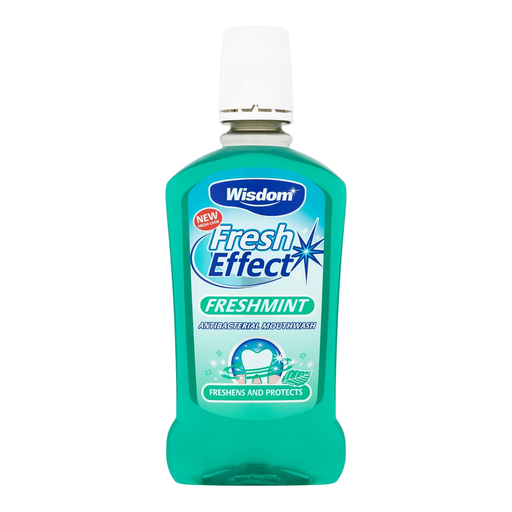
Why this fits the profile: A large bottle with a mint flavour and clear basic information is practical if you want to try a mouthwash for daily use.
The specifications state 0% alcohol, fluoride, a volume of 500 ml and a dosage of 20 ml. This means you can check the key buying criteria in advance.
500 ml, Freshmint flavour, alcohol-free formula and fluoride according to the product data.
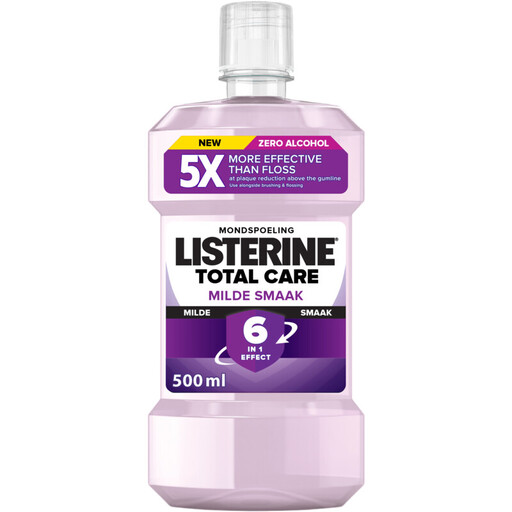
Why this fits the profile: Suitable for adults who want a mild mint variant without alcohol and value a generous-sized bottle.
The product data explicitly mentions alcohol-free, fluoride and 500 ml. So you don’t have to rely solely on words like “mild” or “fresh breath”.
Mild mint profile, 500 ml, alcohol-free and sodium fluoride according to the product specification.
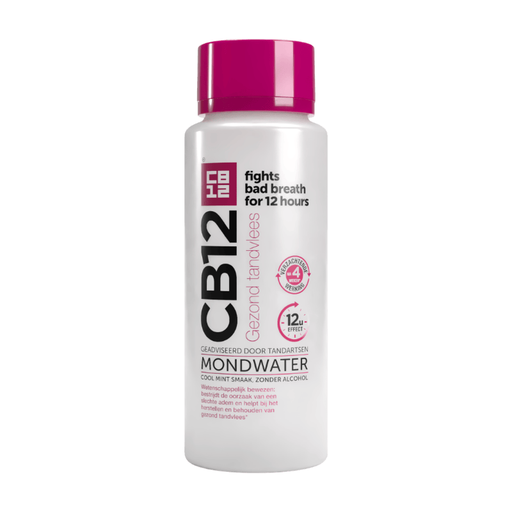
Why this fits the profile: A compact choice for users who are specifically looking for a mouth rinse for bad breath and gum care.
The instructions state 10 ml per rinse and 30 to 60 seconds of rinsing. Warnings about not swallowing and milk derivatives are also clearly stated in the product information.
250 ml, dosage of 10 ml, containing zinc acetate and sodium fluoride among the ingredients.
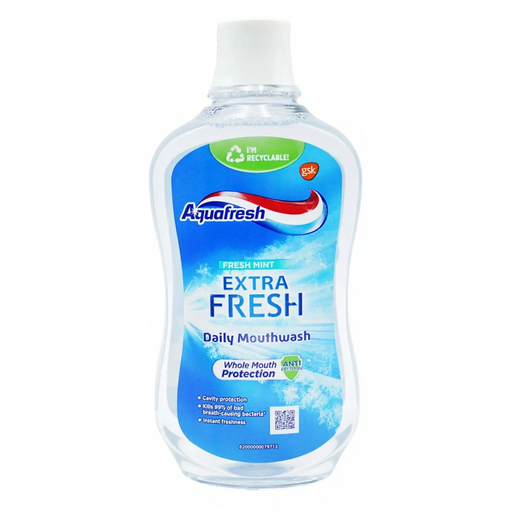
Why this fits the profile: The product information mentions use from age 6, but always check the packaging for children and supervise them while rinsing.
The specifications state alcohol-free, fluoride, antibacterial and 20 ml per rinse. This makes the choice verifiable without relying solely on flavour claims.
500 ml, Extra Fresh Mint, alcohol-free formula and usage advice for rinsing twice daily.
We’ve put together a full, up-to-date list of products that fully meet these strict selection criteria and comply with current European safety regulations.
Mouthwash is usually a supplement to brushing and cleaning between your teeth, not a replacement. Choose a formula based on the features you want, such as fluoride, alcohol-free or mouthwash for bad breath.
The shelf life varies by product. Check the expiry date, the period after opening and the instructions on the packaging. At a dosage of 20 ml, a 500 ml bottle contains roughly 25 rinses. Use the cap or measuring line to avoid waste.
No. Age limits, ingredients and usage advice differ. Some variants are not suitable for young children; CB12 Sensitive, for example, states use from age 12. Stop if irritation occurs and ask a dentist for advice if problems persist.
