
Scheduler who switches between computers
Works on the training schedule across more than one device and wants to know in advance which connection method and switching button will work. Trust and HP describe mice that connect to multiple devices.


First, choose a mouse with a connection method permitted on the shared computer. Then consider what you need for scheduling, such as quieter buttons or horizontal scrolling. Choose a shape that suits the person using the mouse; a specific right-handed design won’t automatically suit everyone at a shared desk. The features mentioned are product specifications and manufacturer claims, not the results of independent performance testing.
Works on the training schedule across more than one device and wants to know in advance which connection method and switching button will work. Trust and HP describe mice that connect to multiple devices.
Prepares materials while others are working at the same desk or nearby, and prioritises quiet buttons. Trust and HP list quiet operation for certain models.
Regularly works with documents and wants to choose a shape that suits their hand. Logitech offers different designs for different hands, as well as a vertical mouse; remember to take breaks from screen work too.
First, check which connection methods are available and permitted on your work computer. Then weigh up click noise, document navigation, fit and power options based on how you use the mouse every day.
| What to consider | What to look for | Who should pay extra attention? |
|---|---|---|
| Connection | Check Bluetooth access, whether a USB port is free, and the type of receiver. Also consider whether you want to switch between devices. | When switching at a shared workstation, I want to connect without running into device management settings or a port that’s already in use. Around 28% of consumers say connection is their top purchasing priority. |
| Click noise | Check whether quiet buttons are listed for the exact version; this isn’t a sound measurement. | When I’m working alongside colleagues, I want my clicks to be as unobtrusive as possible. Around 22% of consumers prioritise quiet operation above all else. |
| Document navigation | Consider whether you mainly want to scroll quickly up and down, or also need to navigate horizontally through wide tables. | With long schedules or wide timetables, I want to get to the right information quickly. Around 22% of consumers put document scrolling at the top of their list. |
| Fit | Check your hand size and whether the mouse is designed for left- or right-handed use; a particular shape won’t automatically suit every user. | If I use the mouse for long periods, I want a grip and size that suit my hand. Around 17% of consumers make fit their top priority when choosing. |
| Power | Check whether the mouse uses a replaceable battery or rechargeable battery, and whether you can use it while it’s charging. | When preparing a session, I want to spend as little time as possible charging the mouse or replacing batteries. Around 11% of consumers put power management first. |
Hand size and handedness vary. A shape that feels comfortable for one person may not suit everyone who shares the desk.
Check who will actually use the mouse, and look at its size and handedness before buying.
Bluetooth and a USB receiver use different connection methods. The management settings on a shared computer may also determine what’s allowed.
Check the computer’s connections and the connection method for the exact version of the mouse.
A mouse’s shape alone doesn’t prove that it will prevent discomfort. Arboportaal emphasises that screen work should be alternated at regular intervals with other work or a break.
Choose a shape that suits the user and the work, and take breaks from screen work. Don’t treat manufacturers’ claims as a medical guarantee.
Trust positions the Ozaa+ as an option for anyone looking for a larger mouse, quiet buttons, a side scroll wheel or a connection to multiple devices. The Ozaa Compact is a different version.
According to Logitech, the Signature M650 comes in different sizes and designs for different hands. The Lift is a vertical option for anyone looking for that style.
The HP 480 Comfort Bluetooth is an option for anyone looking for Bluetooth connectivity across multiple devices and horizontal scrolling.
Dell describes the Pro Compact Silent Mouse MS355 as a compact option for the office.
These mice are suited to shared office work, with options for quiet operation, different connection methods, document navigation and a range of shapes. Check which features matter for your workstation on each version.
 No image available
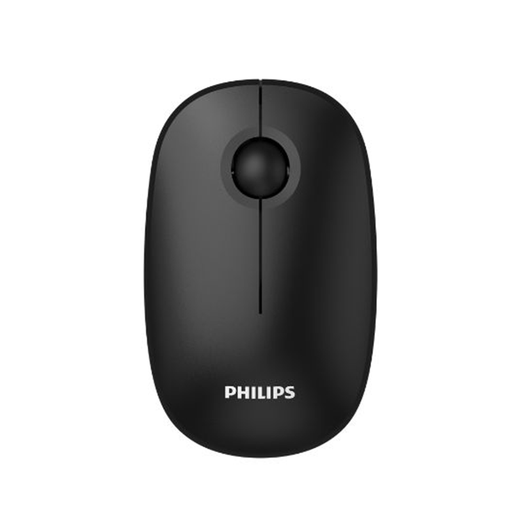
An option to consider if quiet clicks and connectivity with multiple devices matter at a shared desk.
The product description lists 2.4G+BT, connectivity with up to three devices, adjustable DPI levels and one AA battery. The USB receiver is included.
 No image available
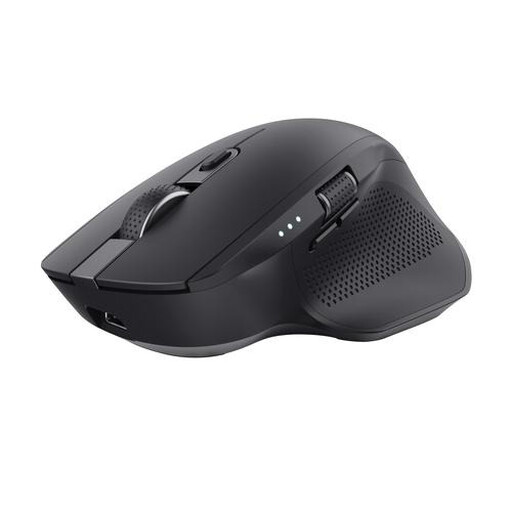
An option if you want quiet clicks and a USB receiver for a computer with a suitable, permitted USB port.
The title lists a 2.4GHz connection and USB receiver. The product description mentions 1600 DPI and a design for right-handed use.
 No image available
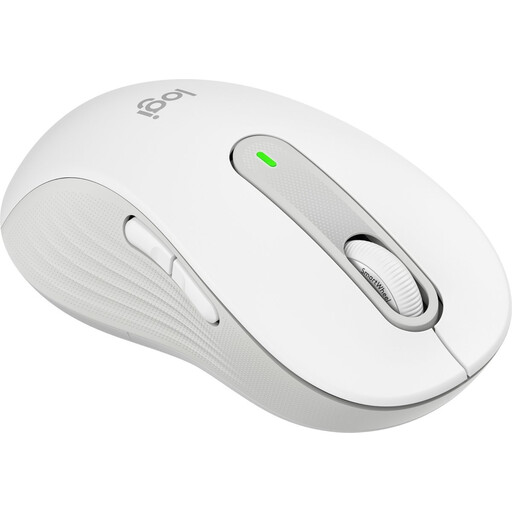
A good fit if you want to compare quiet buttons, switching between devices or horizontal scrolling.
The product description lists wireless RF and Bluetooth, a rechargeable battery, a sensor of up to 3200 DPI and horizontal scrolling. This is a larger design for right-handed use.
 No image available
A left-handed version to consider if navigation controls and a comfortable fit are important.
The product description lists a left-handed design for larger hands, Bluetooth and a Logi Bolt USB receiver. The mouse uses one AA battery.
 No image available
An option for anyone specifically looking for a vertical mouse; this shape won’t automatically suit everyone at a shared desk.
The product description lists a right-handed design for small to medium-sized hands, quiet clicks and connectivity via Bluetooth or a USB receiver.
Only if the computer supports Bluetooth and its management settings allow pairing. Check at your workstation; the mouse specifications don’t confirm that pairing is permitted.
Check that the right receiver is included with the version you’ve chosen, and that a suitable USB port is free and permitted. Logitech lists Bluetooth or a Logi Bolt USB receiver as connection options for the Signature M650.
It depends on the model. Trust says you can keep using the Ozaa Compact while it charges; the HP 480 uses one AA battery. Check the power options for the exact version.
For employees in the Netherlands, the Working Conditions Decree requires screen work to be alternated at regular intervals with other work or a break, according to Arboportaal. This concerns how work is organised, not the purchase of a particular type of mouse.
According to ACM ConsuWijzer, online purchases often come with a cooling-off period of up to 14 days after delivery. If a product doesn’t meet reasonable expectations under normal use, the seller is responsible for the statutory guarantee; don’t assume there’s one fixed guarantee period for all mice.