
Vandaag of morgen in huis

Kwaliteit gegarandeerd

Welkomstaanbiedingen ontgrendelen: GRATIS bezorging | Tot 80% korting | Gratis 30 dagen JoyPlus-proefperiode
Download de app
A mountain bike helmet needs to do more than look sporty. On Dutch MTB trails, you’ll encounter branches, mud, rain, bright sunshine and rapid changes in temperature. Yet many cyclists choose a helmet based on its colour, low price or eye-catching marketing claims. The result can be a poor fit, overheating or a helmet that’s less practical than expected.
The three most common pitfalls:
Below, you’ll find the features to check before buying an MTB helmet.
Use a tape measure to measure your head just above your eyebrows and ears. Keep the tape level and don’t pull it too tight. Then compare the result with the manufacturer’s size guide.
Not all models fit exactly the same way. For example, a size M cycling helmet may fit a head circumference of 54–58 cm, while size L may be designed for 56–61 cm. If sizes overlap, choose mainly according to your head shape and the adjustment range.
When trying on a helmet, check that:
A one-handed adjustment dial is handy if you wear a hat, ponytail or thin headband while riding. However, always check the fit before setting off.
For an adult cycling helmet, it’s important to see a clear reference to the applicable European requirements. Check that the product has a CE mark and that the product information refers to EN 1078 for helmets for cyclists, skateboarders and roller skaters. A CE logo alone doesn’t replace clear usage and manufacturer information.
Also consider the construction:
Brands may make additional performance claims. According to DKONI’s product description, the HS-062 has a PC outer shell, EPS inner layer and in-mould construction. The same description states that it has dual safety certification for US and European standards. Check the markings and documentation yourself before buying; a brand’s claim isn’t a general guarantee for every riding situation.
Replace your helmet after a serious impact, even if there’s no visible damage on the outside. The internal structure may be damaged. With regular use, it’s wise to check the helmet’s condition frequently and follow the manufacturer’s recommendations.
A lightweight cycling helmet is comfortable on longer rides, but weight is only one part of comfort. Also consider the number of ventilation holes, the shape of the inner pads and whether they can be washed.
A large visor is particularly useful on woodland trails and downhill routes. A mountain bike helmet with a visor offers extra protection from sun, rain and dirt. Check whether the visor is removable or adjustable, and whether it obstructs your view when you lean forwards on the bike.
You could also consider UV400 cycling glasses to protect your eyes. According to the Revoray X3 cycling glasses product description, the model has a PC lens, TR90 frame, weighs around 30 grams and offers UV400 protection. These details can be checked in the product specifications. Road cycling glasses can also be used for MTB rides, as long as they fit securely and the lenses provide enough peripheral vision.
Accessories such as a face mask or sleeves with finger loops can offer extra sun protection for cyclists. According to Beneunder’s product information, the AL01j has a UPF 50+ rating and adjustable ear loops. Accessories like these don’t protect you in a fall and aren’t a substitute for a helmet or sports glasses.
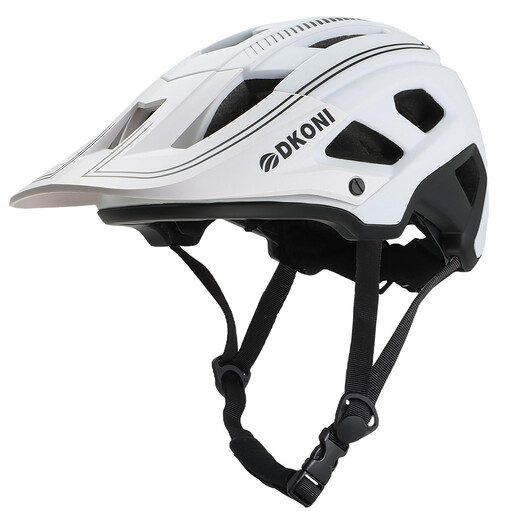
Why it suits this rider: Size M is designed for head circumferences of 54–58 cm, and the helmet has an adjustment dial, removable visor and 17 ventilation holes. That makes it practical for leisure rides and first MTB outings.
The size range is clearly stated, and the adjustment dial helps reduce the risk of a loose fit. However, check the CE mark and standard information yourself before buying.
PC outer shell, EPS inner layer, 380 grams according to the product information, and a removable ABS visor.
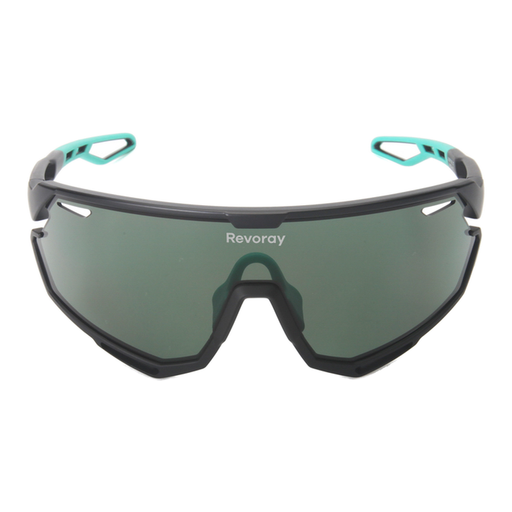
Why it suits this rider: If you want to complement your helmet with eye protection, this model offers a PC lens, a UV400 rating and a TR90 frame. It weighs around 30 grams.
The specifications state the material, weight and UV400 rating, rather than relying only on general sports claims. Check that the glasses fit your face and helmet well.
Single-piece moulded PC lens, non-slip nose pad and a fit suited to medium to large face shapes, according to the product description.
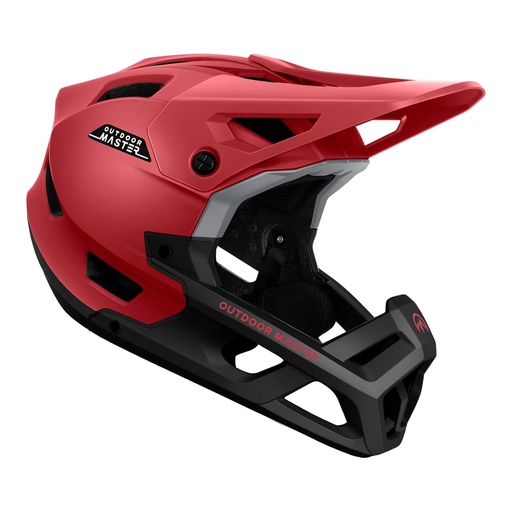
Why it suits this rider: According to the product information, this full-face mountain bike helmet is designed for downhill, BMX and intensive mountain biking. The chin guard and extended coverage are suited to rides where extra protection is preferred.
Choosing a full-face model means you don’t have to consider only open helmets when chin and face protection are important for the way you ride.
ABS outer shell, EPP inner layer, 27 ventilation channels, adjustable D-rings and a rotating visor, according to the product specifications.
We’ve put together a complete, up-to-date list of products that meet these strict selection criteria and the applicable European safety requirements.
An MTB helmet should fit securely without creating painful pressure points. It shouldn’t shift forwards, backwards or sideways when you move your head. Adjust the rear fitting system first, then fasten the chin strap. Try the helmet on with the cycling glasses or other accessories you’ll wear while riding.
Its lifespan depends on the materials, how it’s used and stored, and whether it has been involved in any impacts. Check the helmet regularly for cracks, deformation, loose parts and worn straps. Replace it straight away after a significant impact. If you use your helmet frequently, it’s sensible to replace it periodically in line with the manufacturer’s advice, even if there’s no visible damage.
Not always, but cycling glasses can shield your eyes from wind, dust, insects, rain and low sun. A model with a UV400 rating is designed to protect against ultraviolet light, according to the product information. Choose glasses that don’t press against the edge of your helmet and stay securely in place on bumpy rides.
