
Vandaag of morgen in huis

Kwaliteit gegarandeerd

Welkomstaanbiedingen ontgrendelen: GRATIS bezorging | Tot 80% korting | Gratis 30 dagen JoyPlus-proefperiode
Download de app
As a Joybuy Product Recommendation Officer, I see people searching for the right gear every day. Whether you're getting on your motorcycle for a touring ride, hitting the track, or descending a hill on your mountain bike, safety is paramount. A good pair of protective pants is essential. However, there are a few pitfalls that can lead you to waste money on pants that offer a false sense of security. Let's cut through the marketing jargon and look at what you really need to pay attention to.
The most common mistakes when buying protective pants are:
armoured pants quickly become a sauna. This not only leads to discomfort but also to reduced concentration on the road or trail.motorcycle impact protection is then not in the right place.To avoid making a bad purchase, there are a few technical specifications you should always check. These are the factors that make the difference between comfortable protection and impractical gear.
The core of any motorcycle protective pants are the protectors. These fall into two main categories:
Motocross pants with protection are often equipped with hard shells, as the risk of falling on hard, uneven surfaces is greater.protective underwear that you wear discreetly under your regular clothing.The choice depends on your activity. For intensive off-road use, a hard shell is often a wise choice. For street use or light touring, pants with flexible pads can offer more comfort. Always pay attention to the coverage: good motorcycle hip protection and knee protection are essential.
You often wear protective pants for hours on end. That's why the material of the pants themselves is just as important as the protectors. Look for pants made from a combination of:
A highly breathable MTB protective pant or motorcycle base layer prevents overheating and ensures you can stay focused on riding.
The effectiveness of impact shorts lives or dies by the fit. The protectors must sit precisely on the vulnerable areas (hips, tailbone, thighs, and knees) and stay there, even during a fall. Good protective pants should feel like a second skin. Check if the pants have a wide, elastic waistband and if the legs fit snugly. A model that is too loose offers insufficient protection. A model that is too tight can restrict circulation and is uncomfortable.
Based on these objective criteria, we have selected a number of products that suit different types of users.
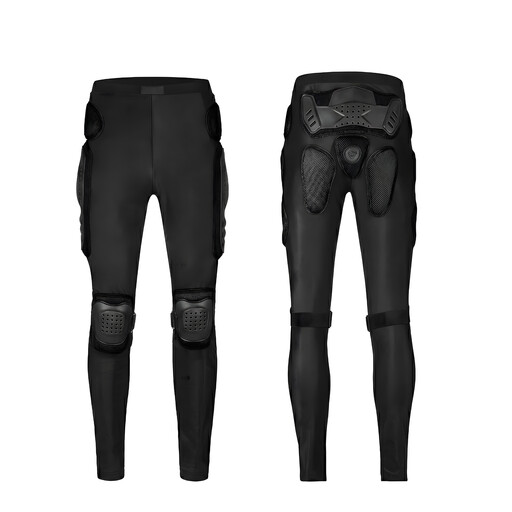
Why This Fits Their Persona: Ideal for those just starting with motorcycling or mountain biking. These pants offer a complete set of protection for hips, thighs, and knees without requiring a large initial investment. A practical first step in impact protection.
These pants combine a hard PE shell with shock-absorbing EVA foam. This provides concrete impact protection instead of just a tough look.
The breathable mesh base provides good ventilation, avoiding the pitfall of a sweaty, uncomfortable ride.
Why This Fits Their Persona: Designed for the higher risks of motocross and downhill mountain biking. The robust hard shells provide the necessary protection against impacts from rocks, branches, and hard falls on unpaved terrain.
The elastic Lycra fabric and snug fit ensure the protectors do not shift during intense movements, solving the problem of ineffective protection.
Strategically placed hard shells on the hips, thighs, and knees offer targeted protection for the most vulnerable zones in off-road activities.
Why This Fits Their Persona: For long rides, comfort is just as important as safety. This protective base layer is lightweight and flexible, and can be worn comfortably under regular motorcycle or textile pants.
The breathability of the mesh fabric prevents the pitfall of overheating and discomfort during long rides on a warm day.
The combination of impact protection and a lightweight, flexible design makes it a practical choice for daily use and long distances.
We have compiled a complete, up-to-date list of products that meet these strict selection criteria and current safety regulations.
Yes, most protective pants can be washed, but always check the care label. Generally, the rule is: remove all removable protectors. Then, hand wash the pants in cold water with a mild detergent. Do not wring out the pants; instead, pat them dry and let them air dry in a shady spot. Never use a dryer or a direct heat source.
A protective pant like this is designed as a protective base layer. You wear it directly against the skin or over a thin base layer, and underneath your regular motorcycle pants, jeans, or MTB shorts. This ensures the protectors are held snugly against your body and cannot shift during a fall.
The correct size is crucial for effectiveness. Measure your waist and hip circumference and compare them with the size chart found on the manufacturer's product page. The pants should be snug, so the protectors cannot move, but should not restrict freedom of movement or blood circulation. If you are between two sizes, it is often better to choose the smaller size for a tighter fit.
