
Vandaag of morgen in huis

Kwaliteit gegarandeerd

Welkomstaanbiedingen ontgrendelen: GRATIS bezorging | Tot 80% korting | Gratis 30 dagen JoyPlus-proefperiode
Download de app
Buying motorcycle protective gear seems straightforward: choose a jacket or trousers with protectors and check the size. In practice, fit, ventilation and the positioning of the protection make the biggest difference. This applies to motorcyclists, enduro and motocross enthusiasts, dirt bike riders and MTB riders.
A motorcycle protective jacket or trousers shouldn’t be so tight that it restricts movement, but they shouldn’t hang loosely either. If a protector shifts while you’re riding, it may no longer cover the intended area properly. So check whether the waist, shoulder straps, zips and hook-and-loop fastenings are adjustable.
“Breathable” doesn’t tell you much on its own. Look at the materials and construction: mesh panels, ventilation openings and stretch fabric can all help with airflow. According to the product information for the models discussed here, breathable mesh, EVA foam and hard PE or PP shells are combined. This describes the construction, but doesn’t guarantee that every wearer will feel cool in all conditions.
A standard size such as L, XL or XXL can vary between models and brands. For motorcycle body armour, chest and waist measurements, height and the thickness of the layers you’ll wear underneath all matter. Always check the size guide on the product page, and try the gear on with the base layer you’ll wear while riding.
First, decide which parts of your body you want to protect. A motorcycle protective jacket is generally designed to protect the chest, back, shoulders and elbows, and sometimes the waist. Motorcycle protective trousers are mainly intended to protect the hips, thighs and knees. If you’re only looking for a motorcycle back protector, you may not need a full jacket, but you should still check how the protector is secured and whether it stays in place under your outer layer.
For motocross, enduro and dirt bike protective gear, combining upper- and lower-body protection is often practical. MTB protectors usually focus on lower weight, freedom of movement and ventilation. Check which protectors are actually included with each product; marketing terms such as “full body” can mean different things from one seller to another.
Many models combine:
Also check the official safety information and any CE marking or EN standard. Check the product page or packaging to see exactly which standard is stated. The name of a material alone doesn’t prove that a product meets a particular European standard. Protective clothing also doesn’t replace a helmet, gloves, sturdy boots or a suitable outer layer.
Extensive protectors can be useful on rough off-road routes, but extra shells can also add weight and warmth. The right choice depends on how you’ll use them:
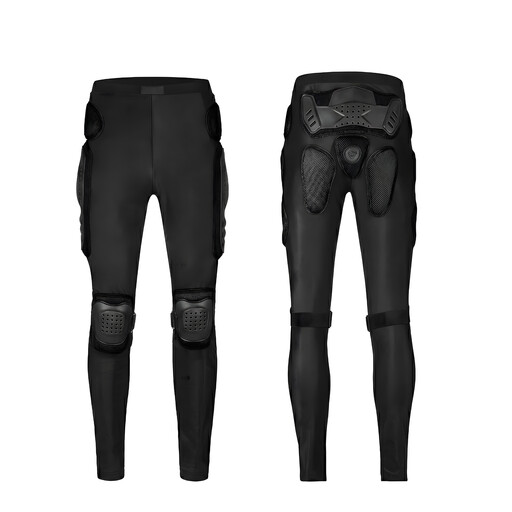
Why it suits this rider: These unisex motorcycle protective trousers offer targeted protection for the hips, thighs and knees, and are suitable for motorcycling, dirt biking, motocross and MTB.
The product information mentions stretch fabric, mesh and adjustable fastenings. Still, check for yourself that the hard shells stay properly in place over your knees and hips.
PP hard shells, EVA foam, breathable mesh and a weight of approximately 0,56 kg, according to the product specifications.
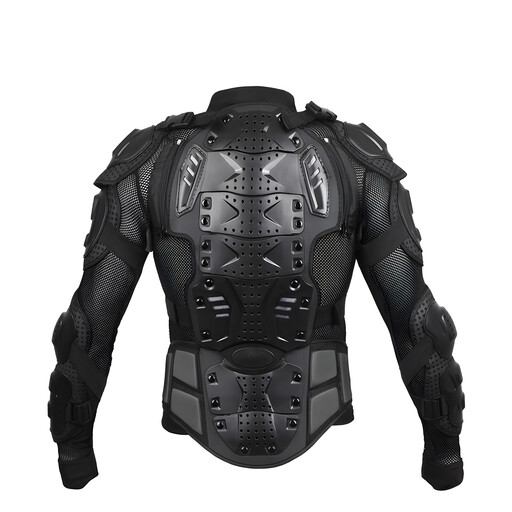
Why it suits this rider: This jacket is designed for anyone looking for chest, back, shoulder and elbow protection in one upper-body garment for off-road riding and outdoor sports.
The shoulder straps, waistband and cuffs are adjustable. This can help limit movement, provided you choose the right size.
Removable chest, back and shoulder protectors, a PE/EVA combination, and mesh with ventilation openings, according to the product description.
Why it suits this rider: This version is a good option for larger adults looking for hip, thigh and knee protection for intensive dirt bike, motocross or MTB use.
The trousers have a stretch base with fixed protective zones. Before buying, check the waist and leg measurements, not just the XXL label.
PP hard shells on the hips, thighs and knees, breathable mesh and a stated weight of approximately 0,60 kg.
We’ve put together a complete, up-to-date list of products that meet these strict selection criteria and the applicable European safety requirements.
Start by putting on a thin, quick-drying base layer. Then adjust the shoulder straps, waistband, cuffs and zips. The protectors should stay in place when you lean forwards and move your arms or legs.
Before every ride, check for tears, distortion, loose seams and damaged fastenings. After a heavy fall, inspect the hard shells and foam, and replace them if you see any damage. Wash removable protectors according to the product instructions; hand-washing in cold water with mild detergent is recommended for the models mentioned here. Leave everything to air-dry and avoid direct heat.
For motorcyclists, an approved helmet and other legal requirements take priority. Additional motorcycle protective gear, such as body armour, a jacket or trousers, depends on how you ride and the equipment you choose. Check the current Dutch traffic regulations and product standards before buying.
Their lifespan depends on use, storage, washing and the impact of any falls. Replace protectors if they are torn, distorted or damaged after a heavy impact. It’s also sensible to replace them if the fabric or fastenings no longer fit properly.
Sometimes, as many models are described as suitable for both off-road motorcycling and MTB. However, consider the weight, ventilation, freedom of movement and positioning of the protectors. A motorcycle jacket may be too warm for leisurely cycling, while MTB protectors aren’t always designed for motorcycling.
