
Vandaag of morgen in huis

Kwaliteit gegarandeerd

Welkomstaanbiedingen ontgrendelen: GRATIS bezorging | Tot 80% korting | Gratis 30 dagen JoyPlus-proefperiode
Download de app
A good set of motorcycle protective gear should suit your riding style, build and terrain. If you focus only on a low price or tough looks, you may not discover until you’re out riding that the protectors shift around, heat doesn’t escape well or the fit isn’t right.
For motorcyclists, enduro enthusiasts and mountain bikers, these are the main pitfalls to watch out for:
The right combination depends on the type of fall risk and the parts of your body you want to cover. For intensive off-road riding, motocross protection often consists of several separate pieces:
If you’re looking for motorcycle protection for knees, hips and back, pay particular attention to where the protectors sit. A product may include plenty of protective components, but still be impractical if they move out of place while you ride.
The protective clothing available includes PP or PE hard shells, EVA foam and breathable mesh fabrics. Hard shells are designed to cover vulnerable areas; foam can be used as a cushioning layer. According to the manufacturer’s product information, the protective trousers have hard shells at the hips, thighs and knees, combined with shock-absorbing EVA foam.
That’s useful product information, but it’s no substitute for a certified protection level. If you ride professionally or at speed, look for clear information about CE marking and applicable EN standards, for example. If these details aren’t listed, treat protection claims as the seller’s product specifications, not as an independently verified safety result.
Motorcycle trousers should fit closely without restricting your freedom of movement. Check:
Adjustable shoulder straps, cuffs and a wide waistband are useful features on a motorcycle jacket or body armour. According to the product descriptions, the protective jackets in this selection include features such as a zip and hook-and-loop fastening, adjustable shoulder straps and an elasticated waistband.
Mesh panels, ventilation openings and stretch fabrics are all worth looking for in breathable motorcycle protection. They can improve airflow, but how comfortable they feel also depends on the temperature, what you wear underneath and how hard you’re riding. For protective clothing for dirt biking or long enduro rides, a lightweight design is often more comfortable than a very heavy construction.
Remove any removable protectors before washing if the product instructions say to do so. Hand washing in cold water with mild detergent is recommended for several models. Leave the clothing to air dry and check the shells, seams and fastenings after a heavy fall. Replace any components that are torn, misshapen or visibly damaged.
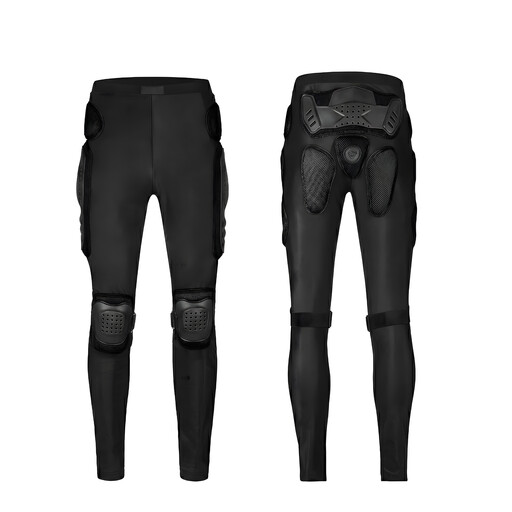
Why it suits this rider: These unisex protective trousers are designed to provide basic protection for the hips, thighs and knees during mountain biking, dirt biking and recreational motocross.
The elasticated mesh base and adjustable fastenings are designed to keep the protectors snug around your legs. Check their alignment before every ride.
PP hard shells at the hips, thighs and knees; product weight approximately 0.56 kg according to the specifications; breathable mesh fabric.
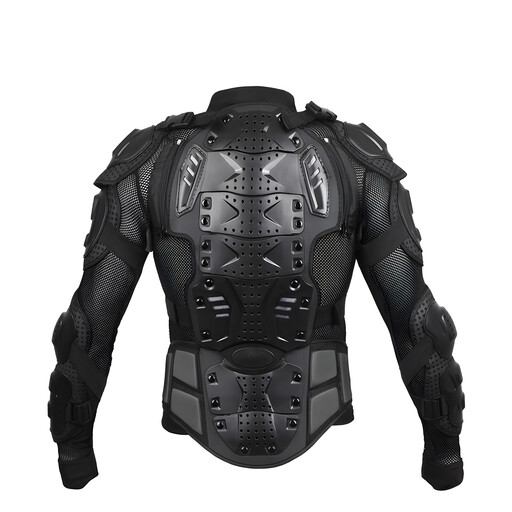
Why it suits this rider: This jacket is designed to protect the chest, back, shoulders, elbows and waist, for riders who want more extensive upper-body coverage.
The adjustable shoulder straps and waistband, along with the removable protectors, make it easier to customise the fit. Choosing the right size is still essential.
Segmented back protector and extended back coverage; chest, shoulder and elbow protection; breathable mesh with ventilation openings.
Why it suits this rider: The larger size and adjustable design make this an interesting option for intensive off-road riding, enduro and outdoor activities where you need plenty of freedom of movement.
According to the product information, the protectors are removable and adjustable. This lets you adapt the layers, but always check that everything is securely fastened.
PE outer shell and EVA pads; protection for the chest, back, shoulders, elbows and waist; weight approximately 1.26 kg according to the specifications.
We’ve put together a complete, up-to-date list of products that meet these strict selection criteria and current European safety requirements.
Measure your chest, waist, hips and leg length, then compare these measurements with the size guide for the product you’ve chosen. If you’re trying on a jacket, wear the base layers you’ll have on when riding. Protectors should fit snugly without creating pressure points, and mustn’t shift when you sit or lean forwards.
Its lifespan depends on how it’s used, falls, washing and storage. Check the shells, seams, zips and fastenings before every ride. Replace the protectors or the entire garment if they’re torn, misshapen or damaged by a hard impact. Store your gear somewhere dry and well ventilated, away from direct heat.
You can, provided the fit, protective components and freedom of movement suit how you plan to use it. According to their product descriptions, many models are marketed for mountain biking, dirt biking, motocross and other outdoor activities. Check that the clothing isn’t too heavy and that the protectors stay in place while you ride.
