
Vandaag of morgen in huis

Kwaliteit gegarandeerd

Welkomstaanbiedingen ontgrendelen: GRATIS bezorging | Tot 80% korting | Gratis 30 dagen JoyPlus-proefperiode
Download de app
Motorcycle protective clothing should do more than simply look sturdy. Your gear needs to stay securely in place, provide enough freedom of movement and suit the type of riding you do. A commute has different practical requirements from enduro, motocross or a descent on a mountain bike.
A product photo showing large protective panels does not tell you everything, either. Pay particular attention to the following common pitfalls.
A motorcycle body protector or protective motorcycle vest should fit snugly. If the shoulder, elbow or back protectors move out of position, they may provide less effective coverage in a fall. An adjustable waist strap, shoulder straps and cuffs are therefore practical features.
Thick protective sections can become hot, particularly during slow, technical riding. Look for mesh panels, ventilation openings and moisture-wicking materials. Breathable motorcycle protection is not automatically suitable for every type of weather, so also check whether you need a separate rain layer.
An ECE 22.06 motorcycle helmet serves a different purpose from a motorcycle body protector or motorcycle back protector. Check which standard is actually listed for each product and which part of the body the equipment is designed to protect. A brand’s claims about impact absorption are not a substitute for a verifiable standard or clear product specifications.
Measure your head circumference, chest and waist according to the seller’s instructions. For a helmet, measure around the widest part of your head. According to the product information, the MY 935 helmet is available in sizes XS to XXL, with size XL covering 61–62 cm and XXL covering 63–64 cm. The MY 936 uses its own size range, so always check the size chart for the specific model.
A modular or flip-up motorcycle helmet should fit securely without creating pressure points. The chin strap should be adjusted correctly; the MY 935 product instructions state that, when fastened, there should be room for approximately two fingers.
For a protective vest, the opposite of “roomy enough” applies: the protectors need to remain stable while still allowing you to twist, bend and steer. Do not choose based solely on your clothing size. Chest measurement, waist, height and body shape are more important than the S, M, L or XL label.
Pay attention to which areas are actually covered. An upper-body protector can provide coverage around the chest, shoulders, elbows, back and waist. Motocross protective trousers, on the other hand, focus on the hips, thighs and knees.
According to the product description, the protective vests mentioned combine PE or TPU protective sections, EVA foam and elastic mesh. The protectors on these models are partly removable and adjustable. This makes maintenance easier, but it also means you need to check before every ride that all the components have been correctly refitted.
The protective trousers are listed as featuring PP hard shells, EVA foam and breathable mesh. This construction is designed to protect the knees and hips during activities including dirt biking, motocross and MTB riding. Check that the shells sit precisely over the relevant joints and do not rotate to the side when you crouch.
For a helmet, ECE R 22.06 is an important point to check when riding on public roads. The product information for the MY 935 and MY 936 lists ECE R 22.06. When your helmet arrives, check that the marking and documentation match the information on the product page.
An ECE marking on a helmet does not mean that a motorcycle body protector, motorcycle back protector or motocross protective trousers have the same certification. Check the stated standards and instructions for each item. For intensive off-road riding, freedom of movement, abrasion-resistant fabric and secure positioning are often more important than an extremely heavy design. For road riding, fit, visor, fastening and compatibility with a motorcycle jacket may matter more.
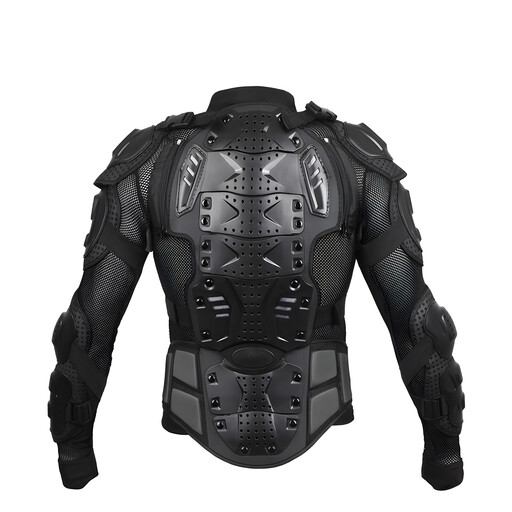
Why it suits this profile: This unisex protective vest is designed for adults looking for one flexible upper-body protection product for off-road riding, cycling or other outdoor sports.
The adjustable shoulder straps, elasticated waist strap and removable protectors help prevent a loose fit or difficult maintenance from getting in the way of use.
EVA foam, PE/TPU elements, mesh and protection around the chest, back, shoulders and elbows.
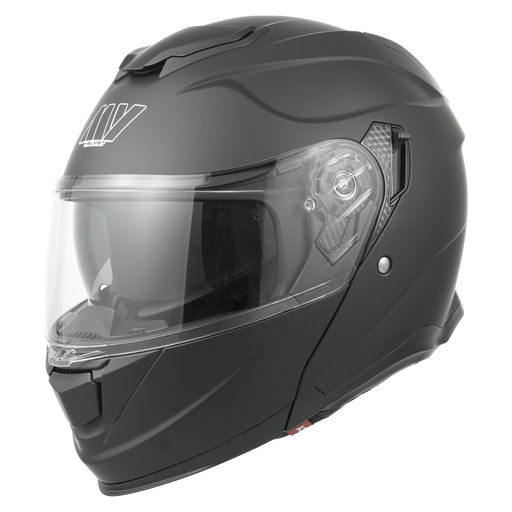
Why it suits this profile: A suitable choice for road riders looking for a modular helmet with a flip-up design, dual visor and verifiable ECE marking.
The sizing is linked to head circumference and the product information lists ECE R 22.06; check these points yourself before buying.
ABS outer shell, EPS inner layer, dual visor and a prepared space for a Bluetooth intercom.
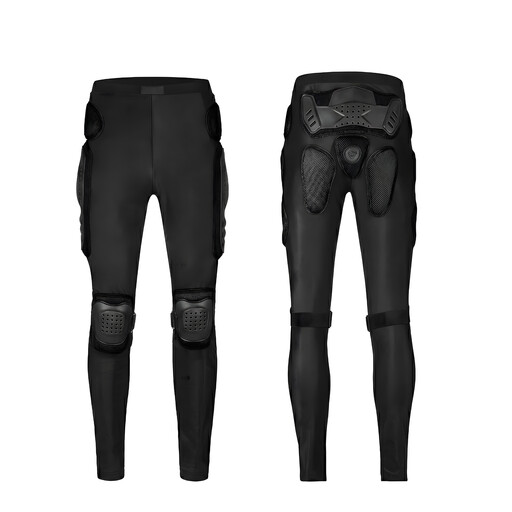
Why it suits this profile: Designed for enduro, dirt bike, motocross and MTB riders who want to wear knee, hip and thigh protection underneath their trousers.
The protective shells are designed for specific areas. A close-fitting mesh base helps keep the components in place, provided the size is adjusted correctly.
PP hard shells, EVA foam, stretch fabric and ventilation around the hips, thighs and knees.
Before every ride, check the seams, fastenings and hard protective components. Stop using the equipment if a shell is cracked or deformed, particularly after a heavy impact. Remove removable protectors before washing. The product information for the protective vests and trousers recommends hand-washing in cold water with mild detergent, then air-drying away from heat and direct sunlight.
Replace a helmet after a heavy impact, even if there is no obvious damage to the outside. Store it in a dry place and regularly check the chin strap, fastening, lining and visor.
We have compiled a complete, up-to-date list of products that fully meet these strict selection criteria and the applicable European safety requirements.
No. A motorcycle body protector does not automatically protect your head, hands, legs or feet. Combine a suitable protective vest with an appropriate helmet, motorcycle trousers, gloves and motorcycle boots. Check the fit and any listed standard for each item.
The protector should stay close to your body without restricting your breathing or freedom of movement. When bending and twisting, it should not roll upwards or shift to the side. If necessary, wear the thin base layer you normally use while riding when trying it on.
Replace protective components after a heavy impact or if they are cracked, deformed or have loose fastenings. Wear to the seams, elastic and hook-and-loop fasteners can also cause the protection to shift. Therefore, check not only the hard shells but the complete set before every use.
