
Vandaag of morgen in huis

Kwaliteit gegarandeerd

Welkomstaanbiedingen ontgrendelen: GRATIS bezorging | Tot 80% korting | Gratis 30 dagen JoyPlus-proefperiode
Download de app
A motocross protective jacket must stay securely in place when you jump, turn or ride over rough terrain. Yet many riders choose mainly based on eye-catching looks or a long list of protection claims. This can result in a vest that shifts, becomes too hot or does not fit properly with your other clothing.
The following three pitfalls are common:
A loose fit that reduces protection
A motorcycle body protector should fit closely. If chest or back panels shift while riding, they may no longer be in the intended position. So do not just look at S, M, L or XL; also check chest measurement, waist, height and weight.
Ventilation that only sounds good on paper
A solid protective layer can quickly feel hot during enduro or motocross riding. Mesh fabric, ventilation openings and a moisture-wicking base layer are practical features. However, bear in mind that “breathable” does not automatically mean the vest will remain comfortable in all weather conditions.
Uncertainty about safety standards
Terms such as “shockproof” or “impact resistant” do not automatically describe a certified level of protection. Check whether the manufacturer states a CE mark, declaration of conformity and relevant standard. For motorcycle rider protectors, standards in the EN 1621 series are relevant, among others, but always check exactly which component and standard are specified.
A motorcycle jacket with back protector or a motocross protective vest should fit tightly enough not to shift, but must not restrict your freedom of movement. Practical details include:
Check the fit in the riding position. Lean forwards, move your arms as if you are holding the handlebars and twist your upper body. The back protector should not ride up, and the chest protector should not interfere with your breathing or arm movement.
A motorcycle upper-body armour vest can cover several areas. Look specifically for:
A jacket with shoulder and elbow protection is therefore not the same as a full protective suit. For intensive rides, combining upper-body and leg protection may be more practical.
Many protective vests combine a durable outer layer with EVA foam, PE or TPU panels and elasticated mesh. According to the product description, EVA can help distribute impacts, but actual protection depends on the design, fit, certification and conditions of use.
Pay attention to these points:
For MTB protective clothing and off-road motorcycle protective clothing, freedom of movement is often just as important as coverage. A vest that is too stiff can be restrictive when climbing, jumping or tackling technical sections.
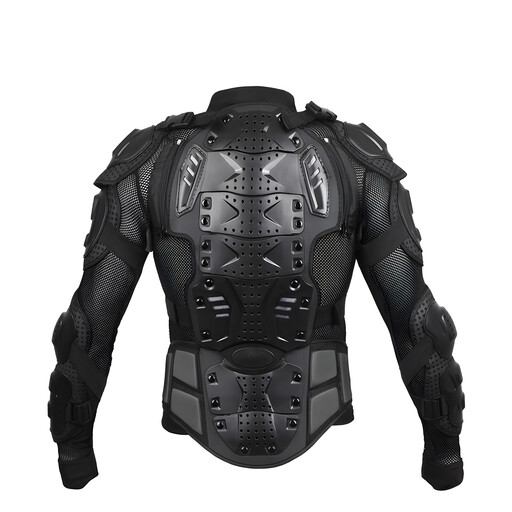
Why it suits this profile: This unisex size M model combines back, chest, shoulder and elbow protection with adjustable straps and an elasticated waist. This makes it suitable for recreational off-road rides and first enduro or MTB sessions.
The adjustable shoulder straps and wide hook-and-loop waist fastening help prevent shifting. According to the product description, the protectors are removable; however, check the size chart and any information about standards before buying.
PE, EVA and breathable mesh; zip and hook-and-loop fastening; suitable for motocross, enduro, MTB and other outdoor sports.
Why it suits this profile: Size L offers the same construction with a roomier fit. The model is aimed at adults looking for a motorcycle jacket with back protector for longer off-road rides and a range of outdoor activities.
According to the product information, the segmented back protector, extended spinal coverage and chest pads are designed to provide broad upper-body coverage. Adjust the straps carefully to minimise excess movement.
Breathable mesh with chest ventilation; adjustable shoulders and waist; protectors for the chest, back, shoulders, elbows and waist.
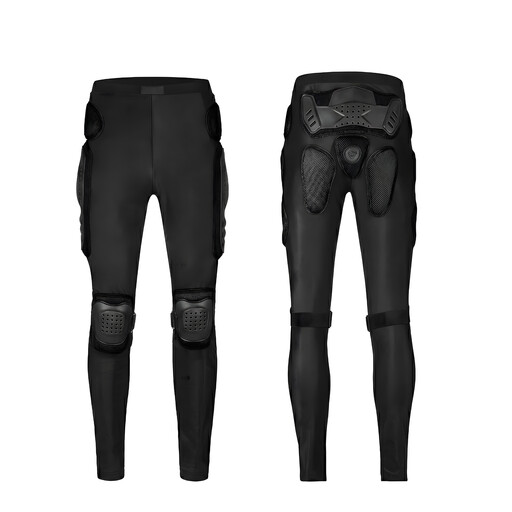
Why it suits this profile: For riders who want to cover their hips, thighs and knees as well as wearing upper-body motorcycle armour. These trousers are suitable for dirt biking, motocross, MTB and other activities involving a risk of falling.
The protectors are housed in stretchy mesh trousers and focus on the hips, thighs and knees. Before use, check that the hard shells remain correctly aligned and do not shift.
PP hard shells, EVA foam and breathable mesh; weight of approximately 0.58 kg according to the product information; removable protectors for easy maintenance.
Wear a quick-drying base layer beneath a protective vest. This can help reduce chafing and clamminess. Before every ride, check the seams, zips, hook-and-loop fastenings and hard protectors. Stop using the product if a shell has cracked or become deformed following a heavy impact.
Removable protectors should be taken out according to the product instructions. Hand-washing with cold water and mild detergent is generally recommended for these models. Allow them to air-dry away from heaters and direct sunlight. Do not make your own alterations to the protective structure.
We have put together a complete, up-to-date list of products that fully meet these strict selection criteria and the applicable European safety regulations.
It can be, provided the fit and coverage suit how you intend to use it. According to their product descriptions, several models are suitable for mountain biking, skateboarding and other outdoor activities. However, check the weight, freedom of movement and ventilation. An MTB-specific cycling helmet and additional knee or elbow protection are still required.
Use the product’s size chart and compare your chest measurement, waist, height and weight. A protective vest should fit closely without restricting you. Test your position on the motorcycle or bicycle: the back protector should not shift, and the sleeves should not interfere with your wrists.
Replace a protector if it is visibly cracked, deformed or torn, or if the vest no longer fits properly after a heavy fall. Worn hook-and-loop fastenings, loose seams and damaged zips can also affect the fit. If in doubt, replacing the protection is wiser than continuing to ride with damaged equipment.
