
Vandaag of morgen in huis

Kwaliteit gegarandeerd

Welkomstaanbiedingen ontgrendelen: GRATIS bezorging | Tot 80% korting | Gratis 30 dagen JoyPlus-proefperiode
Download de app
A good set of motocross protective clothing should suit your riding style, build and terrain. If you focus only on a striking product photo or phrases such as “impact resistant”, you could end up with uncomfortable or poorly fitting gear. You often only notice this during a long enduro ride, a hot MTB session or after a fall.
A standard size such as L, XL or XXL does not tell you enough. Protectors must stay in place when you bend, twist and sit on the bike. Motocross protective trousers that are too loose can shift, while a protective jacket that is too tight can restrict your freedom of movement.
That is why you should check the product size chart and compare chest, waist, hip and leg measurements. Also check whether adjustable straps, hook-and-loop fasteners or elastic sections are included.
Mesh and stretch materials can be comfortable in warm weather, but that does not automatically mean a garment will keep out prolonged rain. Conversely, a heavy, closed material can feel warmer during intensive riding. Check the listed features and consider whether you mainly ride in dry terrain, mud or changeable weather conditions.
A motorcycle protector with hard shells only covers the areas it has been designed to protect. For example, motocross protective trousers protect the hips, thighs and knees, but do not replace upper-body protection. A motocross body armour for the chest and back, in turn, does not protect your lower body.
So check which protectors are actually included with each product. Also look out for removable components: these are useful when washing the garment, but must be correctly refitted before use.
For the lower body, knee and hip protectors are important, along with protection around the thighs. Motorcycle trousers with protectors are practical for off-road rides when you need extra freedom of movement. For the upper body, look for chest, shoulder, elbow and back protectors. A motorcycle jacket with a back protector can be a suitable addition if you mainly ride on rough tracks or use a dirt bike.
Pay attention to the difference between hard shells and foam padding:
According to the manufacturer's product description, the protective trousers use a combination of a PP hard shell, shock-absorbing foam and breathable mesh. According to the same manufacturer, the protective jackets combine a PE/TPU outer layer, EVA foam and elastic mesh. These are product specifications; they do not guarantee that injuries will be prevented in every fall.
For motorcycle protection in Europe, it is advisable to look for a clear CE marking, an EU declaration of conformity and a reference to the relevant standard. For protectors, for example, EN 1621-1 for limbs and EN 1621-2 for back protection may be relevant, depending on the type of product.
Not every product page provides this information. If a standard or certification is not clearly stated, ask the seller to confirm it before you buy. Do not treat terms such as “impact-resistant” or “safety gear” as a substitute for verifiable certification information.
Good protective clothing for a dirt bike should fit securely without creating pressure points. When trying it on, check that you can:
Remove removable protectors from the clothing before washing. The products mentioned recommend hand washing in cold water with mild detergent, followed by air drying away from direct sunlight and heat sources. After a heavy impact, check the shells, seams and padding. Replace components or the garment if there are tears, deformation or other visible damage. It is not possible to give a reliable fixed lifespan, as use, storage and impacts vary considerably.
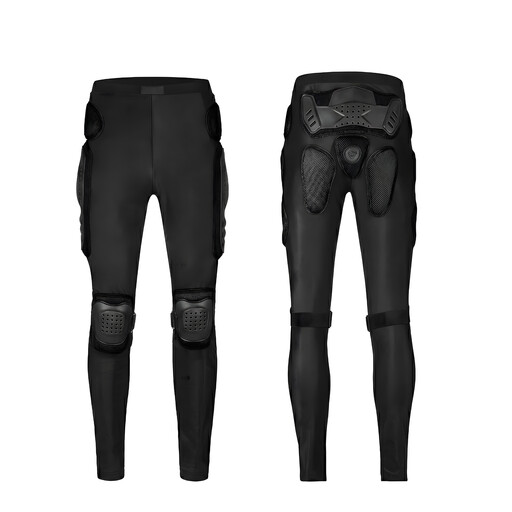
Why it suits this profile: This unisex motorcycle protection focuses on the hips, thighs and knees, making it a practical starting point for recreational MTB, dirt bike or motocross riding.
The integrated protectors are fitted into elastic mesh leggings. Adjust the waist and leg straps so that the shells do not shift.
PP hard shells, EVA foam, breathable mesh and a listed weight of approximately 0.54 kg in size S.
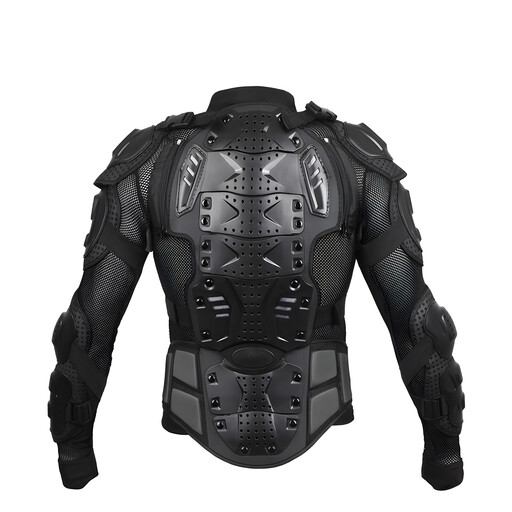
Why it suits this profile: This jacket is designed for anyone who wants to cover their chest, back, shoulders, elbows and waist as well as their legs during off-road rides.
The shoulder straps, waist strap and cuffs are adjustable. The protectors are removable, making inspection and care easier.
Layered construction with PE/TPU, EVA foam and mesh; zip and hook-and-loop fastening; back, chest, shoulder and elbow protectors.
Why it suits this profile: The larger size and flexible mesh construction are suitable for adult riders who spend long periods riding off-road, motocross or MTB.
The protection zones are clearly specified and the straps can be adjusted. Before every ride, check that the shells are still correctly aligned.
PP hard shells for the hips, thighs and knees; stretch Lycra, breathable mesh and a listed weight of approximately 0.60 kg in size XXL.
We have put together a complete, up-to-date list of products that fully meet these strict selection criteria and the applicable European safety requirements.
They can be, depending on the fit and freedom of movement. According to the product description, the trousers mentioned are designed for motocross, dirt biking, MTB, cycling and skating, among other activities. However, check that the knee and hip protectors stay securely in place for your riding position and type of terrain.
Replace protective gear after a heavy impact if a shell, seam or foam section is damaged, cracked or deformed. Without a fall, its lifespan cannot be determined in advance. Inspect the clothing regularly and follow the manufacturer's care instructions.
Many protective trousers and sets of body armour are designed to be worn underneath a loose-fitting motorcycle suit or off-road trousers. Check the overall space beforehand: zips should not be under pressure, and protectors must not be compressed or displaced. A thin, quick-drying base layer can reduce friction and moisture between your skin and the protection.
