
Vandaag of morgen in huis

Kwaliteit gegarandeerd

Welkomstaanbiedingen ontgrendelen: GRATIS bezorging | Tot 80% korting | Gratis 30 dagen JoyPlus-proefperiode
Download de app
Getting up in the middle of the night to use the toilet, grab a glass of water, or check on the kids. We'd all rather do it without turning on the main light and waking up the whole house. A night light with a motion sensor seems like the perfect solution: automatic light exactly when you need it. However, not all models are equally practical. Common design flaws can turn your purchase into a source of frustration rather than convenience.
Before you make a choice, it's wise to know the common pitfalls. We often see users encountering the same problems:
A good motion sensor night light is a small investment in comfort and safety. By paying attention to a few key points, you can avoid a bad purchase and choose a model that truly works for you.
To make the right choice, you don't need to memorise technical specifications. Focus on three practical features that make a difference in daily use.
The power source determines where and how you can use the light.
A good LED lamp with a sensor offers control. Look for the following settings:
The quality of the light is crucial, especially in the bedroom or nursery.
Based on these practical criteria, we have selected a number of products that suit different user profiles.
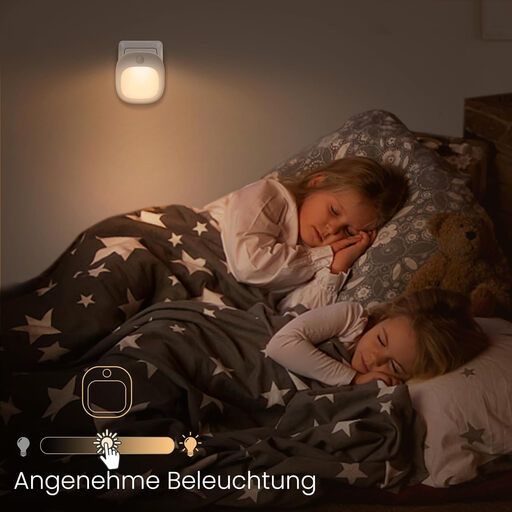
Why This Fits Their Persona: Ideal for the nursery or baby's room. Because it's rechargeable and wireless, you can place it anywhere safely without fussing with cables or sockets. The different light colours and dimming levels make it perfect for nighttime feedings or as a reassuring light for a child who is afraid of the dark.
The built-in 500mAh battery eliminates the need for constant battery replacement. With 3 colour temperatures (including warm white) and 5 dimming levels, you avoid the problem of light that is too bright or the wrong colour.
Fully adjustable: Choose from 3 light colours and 5 brightness levels. USB rechargeable: No battery costs and flexible placement.

Why This Fits Their Persona: Perfect for those who need light in places without a socket. Think inside a wardrobe, under kitchen cabinets, or in the basement. The ultra-thin design is unobtrusive, and installation with an adhesive strip is done in a flash, no drilling required.
The powerful 1100mAh rechargeable battery ends the reliance on sockets or constantly changing batteries. The PIR sensor with a 3-5 metre range is reliable for instant illumination.
Ultra-thin and easy to install: Fits seamlessly into tight spaces. Powerful battery: The 1100mAh battery ensures a long runtime.
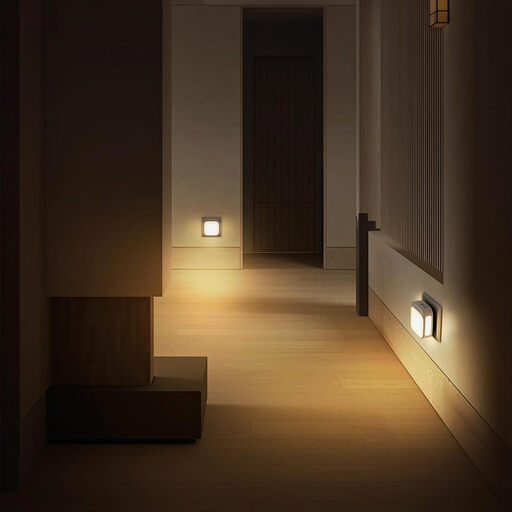
Why This Fits Their Persona: For those seeking a simple, effective, and above all, economical solution. You plug this model into the socket and can forget about it. The light sensor ensures the lamp only turns on when it's dark. Perfect for the hallway, landing, or toilet.
This model solves the problem of impractical power supplies by working directly from the socket, without batteries. With a consumption of just 0.3W, it is extremely energy-efficient, making operating costs negligible.
Extremely economical: Consumes only 0.3W. Stepless dimming: Adjust the brightness exactly to your liking. Automatic light sensor: No manual operation needed.
We have compiled a complete, up-to-date list of products that meet these strict selection criteria and comply with current safety regulations.
This depends heavily on the battery capacity (mAh) and how often the lamp activates. Most models with a decent battery (around 500-1100 mAh) will last for several weeks to months in 'Auto' mode before needing a recharge. In 'On' mode (constantly on), this is typically a few hours.
On most standard night lights, the sensor's sensitivity is not adjustable. The sensor is calibrated by the manufacturer for an average use case (e.g., a detection range of 3-5 metres). If you find that a light reacts too quickly, try aiming it at a different spot, away from potential interference sources like a ventilation grille or a window.
Yes, there is a broad consensus on this. Warm white light (with a low colour temperature) contains less blue light than cool white light. Blue light can suppress the production of melatonin, the hormone that makes you sleepy. Therefore, for use in and around the bedroom, a night light with a warm, soft glow is a better choice.
